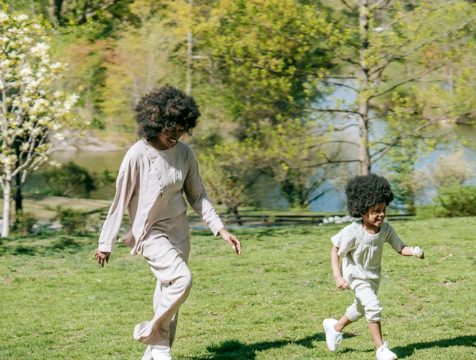
Staying active as a family can be challenging, especially with busy schedules, school commitments, work responsibilities, and extracurricular activities.
Finding time for structured exercise often feels impossible, but incorporating simple home exercises can make fitness manageable, enjoyable, and a shared experience.
Engaging in physical activity as a family not only improves health but also strengthens bonds, teaches children the importance of movement, and creates positive habits that last a lifetime. By selecting approachable exercises that fit into daily life, families can remain active without needing extensive equipment or hours of free time.
The key to successful home exercise for busy families is simplicity. Workouts should be easy to understand, require minimal preparation, and be adaptable to different ages and abilities. Basic movements such as squats, lunges, push-ups, planks, and jumping jacks can be modified for children and adults alike. These exercises engage multiple muscle groups, improve strength and coordination, and can be performed in short bursts throughout the day. Keeping routines straightforward ensures that everyone can participate without feeling overwhelmed.
Short, consistent sessions are ideal for families with tight schedules. Even ten to fifteen minutes of focused movement several times a day can provide meaningful benefits. Incorporating mini-sessions between school drop-offs, meals, or household chores makes exercise feel manageable. These short bursts of activity help maintain energy levels, boost mood, and reinforce the habit of daily movement. Over time, consistent small sessions accumulate into significant improvements in strength, endurance, and overall fitness.
Incorporating fun and playful elements is essential for family engagement. Children respond well to games, challenges, and imaginative activities. Simple exercises can be turned into races, obstacle courses, or creative movement games that make everyone smile while being active. For example, a living room “animal walk” where participants mimic animals such as bears, frogs, or crabs engages multiple muscle groups, encourages coordination, and adds an element of entertainment. Making exercise playful ensures that participation feels enjoyable rather than obligatory.
Cardiovascular activity can be integrated seamlessly into home routines. Jumping jacks, running in place, dancing to music, or stair climbing elevate heart rates and improve endurance. Families can create short dance sessions or follow age-appropriate online aerobics routines to get everyone moving together. Cardio activities not only enhance fitness but also release endorphins, improving mood and reducing stress for both children and adults. Including music or timing challenges adds excitement and motivation for repeated participation.
Strength exercises can be adapted to suit all family members. Bodyweight movements, such as squats, lunges, push-ups, and plank variations, build muscle and enhance overall fitness without the need for equipment. Resistance can be added gradually for adults using items like water bottles or backpacks filled with light weights. Children can perform the same movements with modifications to ensure proper form and safety. By focusing on strength development, families can improve posture, stability, and functional fitness in a practical and accessible way.
Flexibility and mobility exercises are important for overall health and help prevent injuries. Simple stretching routines, yoga flows, or dynamic movements that target major muscle groups improve range of motion and muscle relaxation. Families can integrate short mobility exercises at the start or end of a session, or even during breaks throughout the day. Teaching children to stretch and move mindfully cultivates body awareness and encourages lifelong flexibility habits.
Setting achievable goals enhances family motivation. Goals do not need to be complex or performance-driven; they can focus on consistency, participation, or small improvements in movement skills. For example, completing a certain number of daily activity sessions, mastering a specific exercise, or creating a routine that lasts a week without interruption provides structure and a sense of accomplishment. Celebrating progress together reinforces motivation and makes exercise feel rewarding for everyone.
Social support and shared effort amplify the benefits of home exercise. Engaging in workouts together fosters accountability, encouragement, and a sense of teamwork. Parents modeling movement for children demonstrates the value of physical activity, while children’s enthusiasm can motivate adults to stay committed. Shared participation transforms exercise into a positive family experience rather than an individual responsibility, creating lasting memories and reinforcing healthy habits.
Technology can offer guidance and variety for family workouts. Online videos, fitness apps, or virtual classes designed for children or mixed-age participants provide instruction, structure, and creativity. Families can explore yoga routines, dance classes, or simple fitness circuits that cater to multiple skill levels. Using digital resources ensures that workouts remain engaging, safe, and adaptable, while also reducing the mental effort of planning new routines.
Incorporating movement into daily household tasks encourages incidental activity. Simple adjustments, such as performing squats while folding laundry, calf raises while brushing teeth, or lunges while moving around the house, add meaningful physical activity throughout the day. These small moments accumulate over time, helping families stay active even when formal workouts are not possible. Encouraging children to join in these movements makes activity fun and reinforces that exercise can be integrated naturally into everyday life.
Creating a dedicated space for family workouts improves focus and engagement. A corner of a room cleared of clutter, equipped with a mat or soft flooring, provides a safe area for movement. Having a designated space signals that it is time to exercise and reduces distractions, making it easier for all family members to participate. Consistent use of the space reinforces routine and helps establish a positive association with movement.
Consistency is key to long-term success. Even short, simple routines performed regularly foster progress and create lasting habits. Families who maintain consistent activity develop better coordination, strength, and endurance, while also reinforcing the importance of exercise in everyday life. Building a routine that fits into the family schedule ensures that movement becomes a natural and sustainable part of daily living.
Mindfulness enhances home workouts by encouraging focus and intentional movement. Paying attention to posture, breathing, and alignment improves effectiveness and reduces the risk of injury. Mindful exercise also promotes mental clarity and helps children and adults alike cultivate a positive relationship with physical activity. Brief moments of reflection or conscious breathing at the start or end of a session can deepen engagement and reinforce calm, purposeful movement.
Variety keeps home workouts interesting and enjoyable. Alternating between strength exercises, cardio bursts, stretching, and playful movement games prevents boredom and ensures balanced development. Introducing new exercises or rotations regularly keeps routines fresh and challenges different muscle groups, enhancing overall fitness. Variety also encourages creativity and exploration, making exercise a dynamic and fun part of family life.
Finally, focusing on the holistic benefits of family exercise strengthens commitment. Beyond physical improvements, movement improves mood, energy, focus, and stress management. Shared exercise nurtures emotional bonds and creates positive memories, making activity meaningful beyond the physical results. Recognizing these broader benefits reinforces the importance of consistent participation and fosters a healthy, active lifestyle for all family members.
Simple home exercises provide a practical, flexible, and effective way for busy families to stay active together. By incorporating strength, cardio, flexibility, and playful movement, families can develop consistency, maintain motivation, and enjoy shared experiences. Utilizing short sessions, creating a dedicated space, setting achievable goals, and integrating technology or household activities further ensures that exercise fits naturally into daily life.
Ultimately, the goal is to make movement a regular, enjoyable, and inclusive part of family life. With intentional planning, creativity, and consistency, busy families can maintain fitness, cultivate healthy habits, and strengthen connections, all within the comfort of their home. Simple exercises become more than just physical activity—they become a shared journey toward health, well-being, and lasting family memories.