Movement is essential for maintaining health, yet it does not always need to be vigorous or intense.
Walking offers a simple, accessible, and gentle way to incorporate regular movement into daily life.
Unlike high-impact exercises that require specialized equipment or long training, walking can be adapted to anyone’s pace, schedule, or physical ability. It encourages the body to stay active while remaining comfortable, making it an ideal practice for nurturing long-term health, supporting mental well-being, and cultivating a consistent routine of daily activity.
One of the most important benefits of walking is its accessibility. It does not require a gym membership, complex equipment, or a strict schedule. A stroll around the neighborhood, a walk through a local park, or even moving through your home can provide the gentle exercise your body needs. This simplicity removes barriers to regular movement, making it easier to maintain an active lifestyle over time. For people who feel intimidated by traditional workouts or those who are returning from injury, walking provides an approachable entry point into daily physical activity.
Walking naturally encourages gentle engagement of muscles and joints. Unlike high-impact exercises, each step is supported by the body’s own structure, allowing muscles, tendons, and ligaments to stretch and move safely. Gentle movement supports flexibility, balance, and circulation without creating undue strain or fatigue. Over time, even short, daily walks help build stamina, improve posture, and strengthen core muscles, all while being kind to the body. This approach highlights the idea that consistent, gentle activity can be as effective for long-term health as more intense exercise.
The rhythmic nature of walking makes it ideal for daily incorporation. As each step follows another in a steady pattern, it provides a predictable, calming motion for both body and mind. This rhythm can enhance circulation, stimulate lymph flow, and encourage the natural release of tension in muscles. The gentle pace also allows the mind to settle, promoting a sense of calm and mental clarity. Walking regularly, even at a moderate or slow pace, becomes a soothing daily ritual that supports overall well-being.
Another advantage of walking is its versatility. You can choose routes that match your energy level, the time available, or your mood. A short walk in the morning can energize the body and mind, preparing you for the day ahead. A midday stroll can refresh and reset focus, breaking up sedentary periods at work or home. An evening walk can gently ease tension, helping the body and mind unwind before rest. This adaptability encourages regular movement by making it easy to fit into daily routines without added stress.
Walking also encourages connection with your surroundings, making movement enjoyable rather than a chore. Observing the environment—the changing light, the textures of streets or paths, the sounds of nature, or the simple rhythm of daily life—provides a pleasant backdrop for physical activity. When movement is paired with attention and curiosity, walking becomes more than exercise; it becomes a gentle engagement with life itself. This sensory awareness can motivate continued movement, as the experience becomes rewarding both physically and mentally.
Social interaction can further enhance the benefits of gentle walking. Walking with friends, family, or even pets provides companionship and shared enjoyment while maintaining a comfortable pace. Social walks combine light physical activity with emotional support, conversation, and shared observation of surroundings. This balance strengthens not only the body but also relationships, creating a holistic approach to daily movement. At the same time, walking alone encourages mindfulness and personal reflection, offering space to process thoughts, emotions, and intentions.
Consistency is a key aspect of the value of walking. Gentle, regular movement is often more beneficial than intermittent, high-intensity workouts. Walking daily fosters a habit of activity that the body can rely on, supporting cardiovascular health, muscular endurance, and joint mobility. Even brief walks, when repeated consistently, provide cumulative benefits that improve overall fitness and vitality. By emphasizing gentle movement rather than speed or intensity, walking creates a sustainable routine that encourages lifelong activity.
Walking also supports mental health. Gentle physical activity helps release mood-enhancing endorphins, reduces stress, and encourages relaxation. The repetitive, rhythmic motion of walking has a meditative quality, allowing the mind to settle and focus. By pairing gentle movement with sensory awareness, walking nurtures mindfulness and a positive mental state. Over time, these daily walks can enhance resilience, emotional balance, and overall well-being.
The pace and intensity of walking can be easily adjusted to match individual needs. Beginners or those with limited mobility can take short, slow walks without feeling pressured. Those seeking slightly more challenge can increase distance, pace, or incline. This adaptability ensures that walking remains inclusive and accommodating for people of all abilities. It also reinforces the idea that movement does not need to be strenuous to be effective. Even small steps taken gently, consistently, and intentionally contribute to health, energy, and vitality.
Incorporating walking into daily life does not always require long routes or dedicated time blocks. Simple habits such as taking the stairs, walking to nearby shops, or strolling while making phone calls add gentle movement naturally. These small moments accumulate throughout the day, supporting circulation, flexibility, and energy levels. By framing walking as part of daily routines rather than a separate activity, it becomes an effortless way to remain active without added pressure.
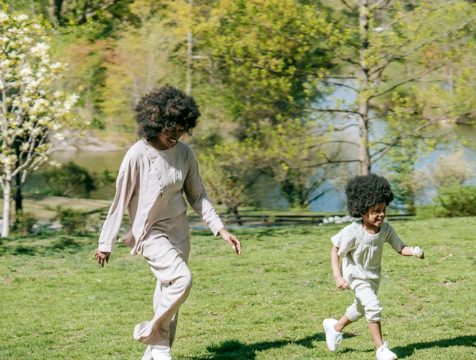
Nature offers an added benefit to gentle walking. Parks, riversides, gardens, and trails provide a calming and stimulating environment that enhances the pleasure of movement. Observing trees, flowers, or wildlife can elevate mood and deepen the sense of engagement with the body in motion. Even urban green spaces offer opportunities for mindful observation and gentle physical activity. Walking in nature encourages both physical health and mental restoration, reinforcing the positive effects of daily movement.
Seasonal variations can make walking an ongoing, engaging practice. Experiencing the shift of sunlight in summer, the crisp air of autumn, or the fresh greenery of spring adds variety and novelty to gentle daily walks. This connection to natural rhythms encourages observation, curiosity, and enjoyment, making movement feel alive and rewarding. By paying attention to environmental changes, walking becomes both exercise and a sensory exploration of the world.
Finally, walking provides a sense of autonomy and control over daily health. It empowers individuals to make small, consistent choices that benefit the body and mind without the need for special training or equipment. The simplicity of walking makes it sustainable, enjoyable, and adaptable to changing schedules or energy levels. By establishing walking as part of daily life, individuals cultivate a habit that supports movement, mindfulness, and vitality over the long term.
In conclusion, walking is a gentle, accessible, and versatile form of movement that encourages daily activity without pressure or strain. Its rhythm supports physical health, mental clarity, and emotional well-being, while its adaptability ensures that anyone can engage in it comfortably. Walking fosters a connection with the environment, nurtures mindfulness, and encourages consistency, making it a cornerstone of healthy, sustainable routines. Whether in nature, urban spaces, or familiar paths, daily walking provides a simple yet powerful way to maintain gentle movement and promote overall vitality.
By embracing walking as a part of everyday life, individuals cultivate a habit of gentle activity that enhances strength, flexibility, and energy, while supporting mental focus and emotional balance. Each step becomes an opportunity to engage the body, calm the mind, and connect with the world around us. Walking demonstrates that consistent, gentle movement is not only achievable but also profoundly rewarding, creating a foundation for a healthier, more connected, and more vibrant life.