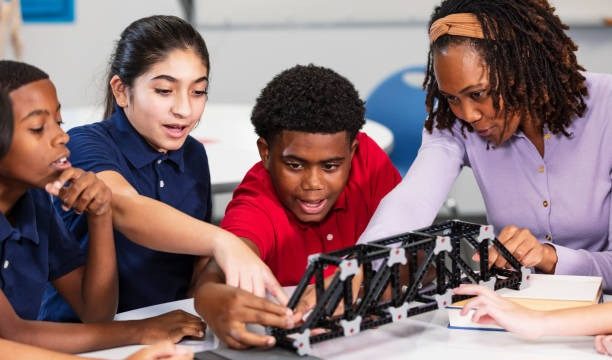
In today’s fast-paced world, the importance of teamwork cannot be overstated.
Whether in a corporate environment, a community project, or even within a family setting, the ability to work harmoniously with others is vital.
However, with teamwork often comes friction. This friction can stem from differing personalities, conflicting ideas, or even misunderstandings. Thankfully, cultivating certain teamwork skills can help reduce this friction and create a more enjoyable and productive environment for everyone involved.
Understanding the dynamics of a team is the first step toward minimizing friction. Every individual brings a unique set of experiences, perspectives, and skills to the table. Recognizing and appreciating these differences can transform potential conflicts into opportunities for growth. When team members feel valued for their unique contributions, they are more likely to engage positively with one another, fostering a spirit of collaboration rather than competition.
A small shift toward balance can be achieved through effective communication. Open lines of communication are essential for any successful team. When team members feel comfortable expressing their thoughts and concerns, misunderstandings can be addressed before they escalate into larger issues. Encouraging an atmosphere where everyone’s voice is heard can lead to more innovative solutions and a stronger sense of camaraderie. Practicing active listening is a key component of this. By genuinely paying attention to what others are saying and validating their feelings, team members can build trust and rapport.
Empathy also plays a significant role in reducing team friction. Taking the time to understand a colleague’s point of view can pave the way for more harmonious interactions. When team members practice empathy, they are more likely to approach conflicts with a mindset geared toward resolution rather than confrontation. This doesn’t mean that everyone has to agree all the time; rather, it encourages individuals to consider the feelings and perspectives of others, creating a more supportive environment.
Conflict is a natural part of any team dynamic, but how it is managed can make all the difference. Embracing a collaborative approach to problem-solving can turn potential friction into a productive discussion. When conflict arises, it can be helpful to focus on the issue at hand rather than personal attributes. By separating the person from the problem, team members can engage in constructive dialogue that leads to effective solutions. This approach not only resolves the immediate issue but also strengthens the team’s ability to handle future conflicts.
Flexibility is another essential skill that can help reduce friction within a team. In any collaborative effort, circumstances can change rapidly, requiring team members to adapt and pivot. Encouraging a mindset of flexibility allows individuals to embrace change rather than resist it. This adaptability can lead to more creative solutions and a more resilient team overall. When team members are open to adjusting their roles or strategies, it fosters a sense of unity and shared purpose.
Creating a culture of appreciation is also a powerful way to alleviate tension within a team. Recognizing and celebrating each other’s achievements, no matter how small, can significantly boost morale. A simple thank you or acknowledgment of a job well done can go a long way in fostering positive relationships. When team members feel appreciated, they are more likely to contribute their best efforts and support one another, reducing the likelihood of friction arising from feelings of neglect or undervaluation.
Another important aspect of teamwork is setting clear expectations. When everyone understands their roles and responsibilities, it minimizes confusion and the potential for conflict. Clarity in expectations helps team members align their efforts toward common goals, creating a sense of shared direction. This alignment not only enhances productivity but also fosters a sense of belonging and teamwork, as everyone is working together toward a unified purpose.
Taking time for team-building activities can also be beneficial. Engaging in activities outside of the usual work context can strengthen interpersonal relationships and build trust among team members. Whether it’s a casual lunch, a team retreat, or a fun outing, these experiences can help break down barriers and foster a sense of community. When team members bond on a personal level, they are more likely to support one another during challenging times, reducing friction in the process.
Additionally, encouraging a growth mindset can shift the focus from fixed abilities to the potential for development. When team members view challenges as opportunities to learn rather than obstacles, it fosters resilience and collaboration. This mindset can create an environment where individuals feel empowered to take risks and share their ideas without fear of judgment, leading to richer discussions and a more innovative team dynamic.
Finally, regularly checking in with each other can help maintain a harmonious atmosphere. Simple gestures, such as asking how someone is doing or if they need support, can go a long way in fostering a culture of care. These check-ins can serve as a reminder that everyone is part of the same team, working toward shared goals. When team members feel connected and supported, they are less likely to experience friction and more likely to collaborate effectively.
In conclusion, reducing team friction is an ongoing journey that requires attention to communication, empathy, flexibility, appreciation, clarity, team-building, a growth mindset, and regular check-ins. By cultivating these teamwork skills, teams can create a more harmonious and productive environment. Ultimately, the goal is not just to minimize conflict but to foster a culture of collaboration and support, where every team member feels valued and empowered to contribute their best. In this nurturing atmosphere, teamwork can flourish, leading to greater success and fulfillment for everyone involved.