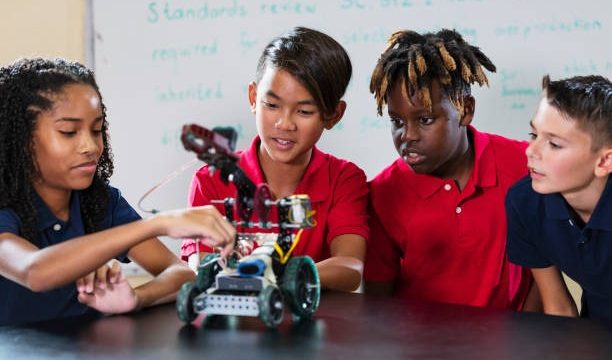
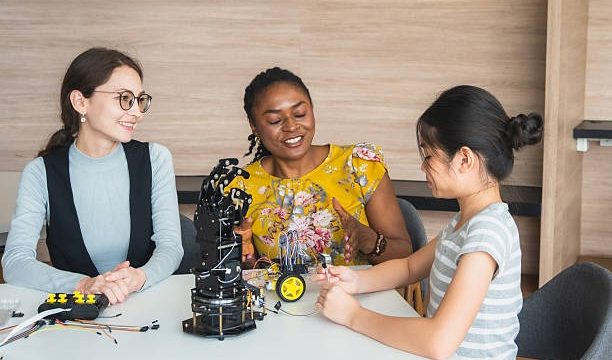
In today’s educational landscape, the importance of collaboration among students cannot be overstated.
Teamwork not only fosters relationships but also enhances learning experiences.
Encouraging student teams with purposeful tasks can transform the mundane into something meaningful. By cultivating an environment where students work together with intention, educators can help them develop vital skills that extend beyond the classroom.
Creating a supportive atmosphere is key. When students feel safe and valued, they are more likely to engage fully with their peers. This sense of community can be nurtured through small changes in how tasks are assigned and approached. For instance, rather than merely assigning group projects, educators can introduce tasks that align with students’ interests and aspirations. This approach makes the work feel less like drudgery and more like a shared adventure.
A small shift toward balance can make a significant difference. Instead of focusing solely on academic achievements, consider incorporating tasks that promote social-emotional learning. These types of activities encourage students to express themselves and understand their peers. For example, a project that requires students to share their personal stories or cultural backgrounds can foster deeper connections. When students see each other as individuals rather than just classmates, collaboration becomes more meaningful.
In addition, purposeful tasks should be designed to challenge students intellectually while allowing for creativity. When students are encouraged to think critically and innovate, they develop problem-solving skills that are invaluable in life. Consider projects that require brainstorming solutions to real-world issues. This not only engages students but also helps them feel a sense of responsibility toward their communities. When they see the impact of their collaborative efforts, it instills a sense of purpose that can be deeply motivating.
Encouraging reflection is another essential aspect of teamwork. After completing tasks, students should have the opportunity to discuss what went well and what could be improved. This practice not only enhances their understanding of the subject matter but also helps them develop critical thinking skills. Reflection can take many forms, whether through group discussions or individual journals. By articulating their thoughts and feelings about the experience, students learn to appreciate the value of collaboration and the diverse perspectives their peers bring to the table.
The power of mentorship cannot be overlooked either. When older students mentor younger ones, it creates a unique dynamic that enriches the learning environment. Mentorship fosters a sense of responsibility and leadership, as older students guide their peers through purposeful tasks. This relationship can be significant for both parties, as the mentors gain confidence in their abilities, while younger students benefit from the support and guidance.
Creating a culture of appreciation also plays a critical role in encouraging teamwork. Recognizing and celebrating the contributions of each student fosters a positive environment. When students feel that their efforts are acknowledged, they are more likely to engage in future collaborative tasks. Simple gestures, such as verbal praise or small tokens of appreciation, can go a long way in reinforcing this culture. Acknowledging the hard work of every team member reminds them that they are part of something larger than themselves.
Incorporating technology can also enhance collaboration. Digital tools that facilitate communication and project management can help students stay organized and connected, especially when working on group tasks. Platforms that allow for brainstorming, sharing ideas, and providing feedback can make the collaborative experience more dynamic. However, it is essential to balance the use of technology with face-to-face interaction, ensuring that students still develop interpersonal skills.
As students engage in purposeful tasks, it’s important to encourage inclusivity. Every team should strive to create an environment where all voices are heard and valued. This can be achieved by rotating roles within the team, allowing each student to take on different responsibilities. When students experience various roles, they gain a deeper understanding of teamwork and the importance of collaboration. This approach not only helps them appreciate different perspectives but also fosters empathy and respect for one another.
In the end, the goal of encouraging student teams with purposeful tasks is to equip them with the skills they need to thrive in an increasingly interconnected world. As they learn to work together, they develop not only academic knowledge but also social skills, emotional intelligence, and resilience. These attributes will serve them well in their future endeavors, both personally and professionally.
As educators and mentors, the role we play in guiding students through these experiences is invaluable. By creating opportunities for meaningful collaboration, we help them discover their strengths and passions. The journey of teamwork is not just about completing tasks; it’s about building relationships, fostering understanding, and nurturing the leaders of tomorrow.
Through purposeful tasks and supportive environments, we can inspire students to embrace the power of collaboration, making their educational journey richer and more fulfilling. It’s a beautiful cycle of growth and connection, one that not only enhances their learning but also leaves a lasting impact on their lives. As we encourage our students to navigate this path, we are not just teaching them how to work together; we are helping them to understand the essence of community and the strength that comes from unity.