Creating Classroom Routines That Support Cooperation
In today’s fast-paced educational landscape, fostering cooperation among students is more crucial than ever.
The classroom serves not only as a place for academic learning, but also as a vibrant community where young minds can thrive together.
Establishing effective routines can significantly enhance this cooperative spirit, paving the way for deeper engagement and mutual respect among students.
A gentle introduction to routines invites stability. When students know what to expect, they feel secure and are more likely to participate actively. Routines can be as simple as a morning greeting, a shared activity, or a collaborative project. Each of these elements contributes to a sense of belonging, which is essential for nurturing cooperation.
As the day begins, consider incorporating a morning circle. This practice allows students to gather and share their thoughts, feelings, or goals for the day. It creates a sense of unity and encourages open communication. In this safe space, students learn to listen to each other and appreciate different perspectives. The act of sharing fosters empathy and understanding—key components of cooperation.
Transitioning from one activity to another can often lead to chaos, but a well-thought-out transition routine can ease this process. Simple signals, like a soft chime or a gentle hand gesture, can cue students to shift their focus. When students understand what to expect during transitions, they can collaborate more effectively, helping each other move from one task to the next. This not only minimizes disruptions but also reinforces a sense of teamwork.
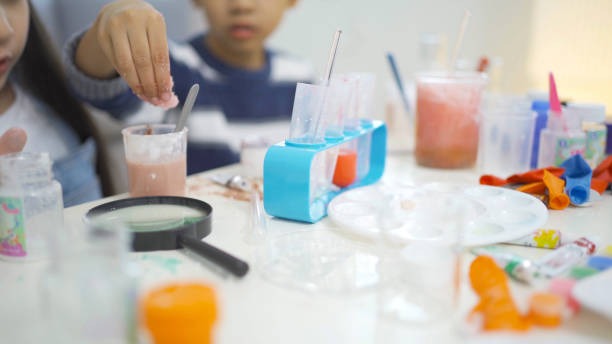
Incorporating group activities into your routine can significantly enhance cooperation. When students work together on projects or problem-solving tasks, they learn to rely on one another. This collaboration fosters trust and accountability. Consider setting up regular group challenges, where students must combine their strengths to achieve a common goal. This not only cultivates a cooperative spirit but also helps students develop essential life skills, such as communication and conflict resolution.
A small shift toward balance can also be found in the way we celebrate achievements. Acknowledging both individual and group successes reinforces the idea that every contribution matters. Whether it’s a simple shout-out for a job well done or a more formal recognition ceremony, celebrating achievements fosters a positive atmosphere where cooperation is valued. Students learn that their efforts, whether big or small, contribute to the classroom community.
Creating an inclusive environment is another vital aspect of fostering cooperation. Ensuring that every student feels valued and heard is essential. This can be achieved through diverse learning materials that reflect various cultures and perspectives, as well as by encouraging students to share their unique experiences. When students see themselves represented in the classroom, they are more likely to engage and cooperate with their peers.
Daily routines should also include moments of mindfulness. Taking a few minutes each day for reflection or guided breathing can help students center themselves, making them more receptive to cooperation. When students are calm and focused, they tend to be more empathetic and understanding toward their classmates. This practice can be a gentle reminder that cooperation begins with self-awareness.
Encouraging peer mentorship is another beautiful way to cultivate cooperation. Pairing older students with younger ones not only fosters a sense of responsibility but also builds connections across different age groups. Mentorship provides opportunities for students to learn from one another, share knowledge, and develop leadership skills. This relationship can create a supportive environment where cooperation becomes second nature.
As we weave these routines into the fabric of our classrooms, it’s essential to remain flexible. Every classroom is unique, and what works for one group may not work for another. Being open to adjusting routines based on student feedback and dynamics can create a more responsive and cooperative atmosphere. Encourage students to share their thoughts on what routines work best for them, allowing them to take ownership of their learning environment.
A supportive classroom culture thrives on collaboration among educators as well. When teachers work together, sharing strategies and insights, they model cooperation for their students. Regular meetings to discuss classroom routines, challenges, and successes can strengthen this bond. A united front not only benefits teachers but also sets a powerful example for students.
Incorporating technology into classroom routines can also be a creative way to promote cooperation. Online collaborative tools enable students to work together, even outside the classroom walls. Whether it’s a shared document for group projects or a forum for discussing ideas, technology can enhance communication and teamwork. This integration of digital tools can prepare students for the collaborative nature of the modern world.
As the school year progresses, it’s important to revisit and refine routines. What worked well in the beginning may need some tweaking as students grow and change. Regular reflection on the effectiveness of routines allows for continuous improvement and adaptation. This practice teaches students that cooperation is a dynamic process, requiring ongoing effort and commitment.
Creating classroom routines that support cooperation is a journey filled with opportunities for growth and connection. Through thoughtful planning and a warm, inclusive atmosphere, educators can cultivate a community where students thrive together. By embedding cooperation into daily routines, we prepare students not only for academic success but also for meaningful, collaborative lives beyond the classroom.
As we nurture this cooperative spirit, we are, in essence, shaping future citizens who value teamwork, empathy, and understanding—qualities that will serve them well in all walks of life. In fostering these connections, we create not just a classroom, but a supportive community that empowers every individual to shine.