Creating Activities That Build Peer Trust
In our fast-paced world, the foundation of trust within peer relationships can sometimes feel elusive.
Whether in a workplace, a school, or a community group, fostering trust is essential for collaboration and mutual support.
The good news is that trust can be nurtured through intentional activities that promote connection and understanding. Here, we explore some gentle, engaging ways to create experiences that help build peer trust.
The power of shared experiences
One of the simplest yet most effective ways to cultivate trust is through shared experiences. When individuals come together to participate in an activity, they create a common ground that fosters connection. Think about organizing a team-building retreat or a casual outing—these moments allow peers to see one another in a different light, breaking down barriers that may exist in more formal settings.
Consider hosting a potluck lunch where everyone brings a dish that reflects their background or personal story. This not only opens up avenues for conversation but also allows individuals to share a piece of their lives with one another. As people gather around a shared meal, they can bond over their favorite recipes and fond memories, paving the way for deeper connections.
Creating a safe space for vulnerability
Trust flourishes in environments where individuals feel safe to express themselves. To promote this, consider organizing activities that encourage vulnerability. A simple yet effective approach could be a storytelling circle, where participants take turns sharing personal anecdotes. This can be a powerful way to build empathy and understanding, as individuals learn about each other’s struggles and triumphs.
Another idea is to host workshops focused on emotional intelligence or communication skills. These sessions can provide tools for better understanding one another and navigating difficult conversations. When people feel equipped to express their thoughts and feelings openly, trust grows naturally.
Engaging in collaborative projects
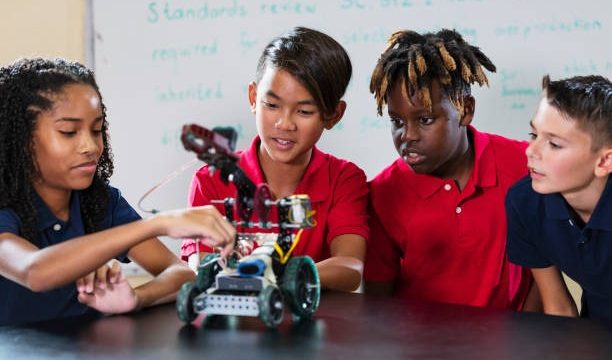
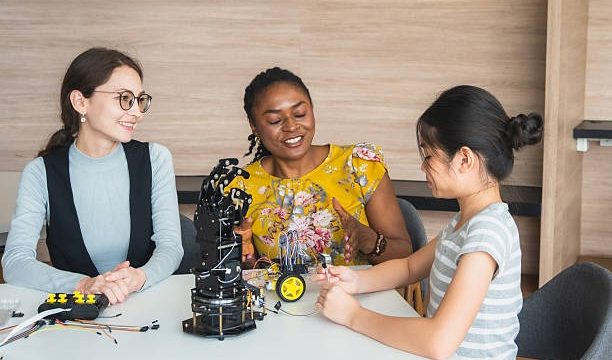
Working together toward a common goal can significantly strengthen trust among peers. Collaborative projects encourage individuals to rely on one another’s strengths and skills, fostering a greater sense of interdependence. This could be as simple as organizing a community clean-up or as involved as creating a group art project.
When peers collaborate, they learn to appreciate each other’s contributions, cultivating respect and trust. Activities that require teamwork can also highlight the importance of accountability; when everyone holds a stake in the outcome, they are more likely to support one another.
Building trust through fun and play
Sometimes, the best way to build trust is through light-hearted activities that allow individuals to let loose and enjoy themselves. Engaging in playful experiences can break down walls and create a sense of camaraderie. Consider organizing game nights, where peers can gather to enjoy board games or trivia challenges. Laughter and friendly competition can ease tension and create lasting memories.
Outdoor activities, such as hiking or team sports, can also facilitate trust-building. Being in nature often encourages a sense of freedom and openness, allowing individuals to interact in a relaxed setting. Plus, the shared experience of tackling a challenging hike or working together to score a goal can create strong bonds among participants.
Encouraging mentorship and support
Fostering a culture of mentorship can significantly enhance trust among peers. When individuals actively support one another, they create an environment where trust can thrive. Consider pairing more experienced members with those who are newer or less confident, allowing for guidance and shared learning.
This mentorship does not have to be formal; it can simply involve checking in with one another regularly or offering a listening ear. As peers invest time in one another’s growth, they develop a deeper sense of trust and a commitment to each other’s success.
Celebrating achievements together
Recognizing and celebrating one another’s achievements is a vital aspect of building trust. When peers take the time to acknowledge each other’s hard work, it fosters a sense of belonging and appreciation. Consider creating a monthly gathering where individuals can share their successes, no matter how small. This could be during a team meeting or a casual get-together after work.
Celebrating together not only reinforces positive relationships but also encourages a culture of support. When peers feel valued for their contributions, they are more likely to trust that their colleagues will celebrate their future successes as well.
Practicing active listening
Building trust also requires a commitment to understanding one another. Practicing active listening is a powerful way to demonstrate care and respect. Encourage peers to engage fully in conversations, putting aside distractions and truly focusing on what the other person is saying. This can be practiced in both informal settings and during structured activities.
Consider implementing regular check-ins, where individuals can share thoughts and feelings about their experiences. This not only promotes open communication but also reinforces the idea that everyone’s voice matters. When peers feel heard, trust naturally grows.
Creating rituals of connection
Rituals can be a beautiful way to enhance peer trust. These could be simple traditions, like a morning coffee catch-up or weekly team reflections. Creating consistent opportunities for connection helps to establish a sense of stability and belonging within a group.
Rituals don’t have to be elaborate; even small acts, like sending a message of encouragement or sharing a gratitude moment at the end of a meeting, can create a lasting impact. These moments reinforce the value of connection and remind individuals that they are part of something greater.
In conclusion, building peer trust is a journey that requires intention and effort. By creating activities that foster shared experiences, encourage vulnerability, and promote collaboration, we can cultivate a culture of trust that enhances our relationships. As we engage in these activities, we not only strengthen our bonds but also create spaces where everyone feels valued and understood. Trust is not built overnight, but with gentle, consistent efforts, we can create a thriving community of support and connection.