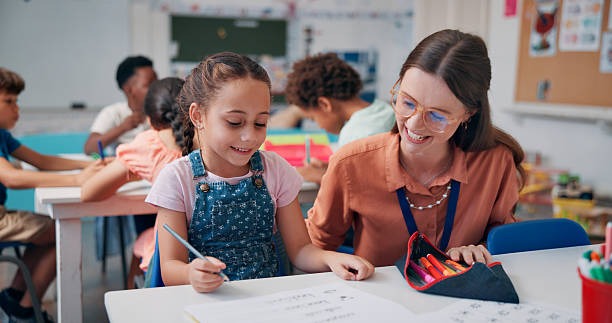
In today’s fast-paced educational landscape, the ability to work collaboratively is more essential than ever.
As students navigate their academic journeys, fostering a spirit of teamwork can greatly enhance their learning experiences.
Guiding students to work thoughtfully together not only cultivates valuable skills but also nurtures a sense of community and belonging. This article explores gentle ways educators and mentors can facilitate meaningful collaboration among students, creating an enriching environment for all.
Creating a supportive atmosphere is the first step toward encouraging collaboration. When students feel safe and valued, they are more likely to express their ideas and engage with their peers. This sense of security can be cultivated through open communication and active listening. Encouraging students to share their thoughts and feelings in a respectful manner fosters an environment where every voice is heard. This not only enhances their confidence but also helps them appreciate the diverse perspectives that each individual brings to the table.
Involving students in setting collaborative norms can also strengthen their commitment to working together. By engaging them in discussions about what collaboration looks like, students can develop a shared understanding of expectations. This process can include brainstorming ground rules for group work, such as respecting differing opinions, taking turns speaking, and providing constructive feedback. When students contribute to these guidelines, they are more likely to take ownership of their behavior, leading to a more harmonious group dynamic.
Encouraging students to embrace their unique strengths is another effective way to promote thoughtful collaboration. Everyone has different talents and skills, and recognizing these differences can enhance the collective learning experience. Educators can facilitate this by assigning roles within group projects that align with students’ interests and abilities. For instance, a student who enjoys writing may take on the role of scribe, while another who excels in research can focus on gathering information. This not only allows students to shine in their areas of strength but also fosters appreciation for each other’s contributions.
As students work together, it’s important to guide them through challenges that may arise. Disagreements and misunderstandings are natural parts of any collaborative effort. Instead of shying away from these moments, educators can use them as opportunities for growth. Teaching students conflict resolution strategies, such as finding common ground or compromising, empowers them to navigate disagreements constructively. This not only strengthens their collaborative skills but also prepares them for future interactions beyond the classroom.
Creating opportunities for reflection can deepen the collaborative experience. After completing a group project, educators can encourage students to reflect on their teamwork journey. Questions such as “What worked well?” or “What could we improve next time?” can prompt meaningful discussions. This practice not only helps students recognize their successes but also encourages them to learn from their experiences. Reflective conversations can lead to a greater understanding of the collaborative process and enhance their ability to work together in the future.
Incorporating creative activities can also serve as a delightful way to foster collaboration. Engaging students in hands-on projects, art, or even team-building games can break down barriers and encourage camaraderie. These activities allow students to connect on a personal level, making it easier for them to collaborate academically. Moreover, the joy of creating something together can strengthen their bonds and make the learning experience more enjoyable.
As students engage in collaborative work, it’s essential to recognize and celebrate their efforts. Acknowledging the hard work and creativity that goes into group projects can boost motivation and reinforce the value of teamwork. Simple gestures, such as verbal praise or sharing their accomplishments with the class, can go a long way in building a positive group identity. By celebrating both individual and collective achievements, students can feel a sense of pride in their collaborative efforts.
Another gentle approach to guiding students is to model collaborative behavior yourself. As educators or mentors, demonstrating how to work thoughtfully with others can provide students with a clear example to follow. Whether it’s sharing ideas with colleagues or engaging in group discussions with students, your actions can speak volumes. By showcasing effective collaboration in your own interactions, you inspire students to adopt similar practices in their teamwork.
Creating partnerships with families can also enhance the collaborative experience. When families are involved in their children’s education, it fosters a supportive network that can further encourage teamwork. Keeping lines of communication open with parents and guardians allows them to understand the importance of collaboration and how they can support their children at home. This holistic approach can create a stronger foundation for students as they learn to work together thoughtfully.
Ultimately, guiding students to work thoughtfully together is a journey that requires patience and understanding. It’s about nurturing an environment where collaboration is valued and where students feel empowered to express themselves. By fostering open communication, embracing diversity, and creating opportunities for reflection, educators can help students develop the skills they need to thrive in collaborative settings.
As they learn to navigate the complexities of teamwork, students not only enrich their academic experiences but also cultivate lifelong skills that will serve them well in the future. In a world that increasingly emphasizes collaboration, guiding students in this way is a meaningful contribution to their growth and development. Through thoughtful guidance, we can help students discover the beauty of working together, ultimately leading to a more inclusive and harmonious academic community.