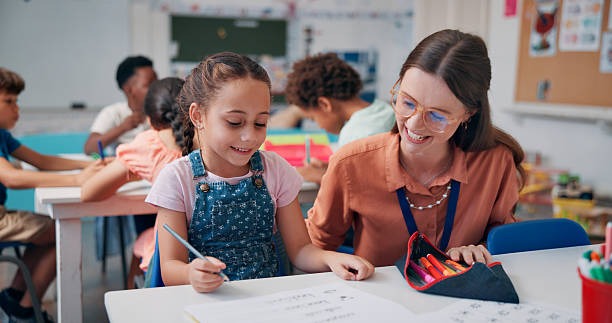
Creating a classroom environment that encourages cooperative discussions can profoundly impact students’ learning experiences.
In a world that increasingly values collaboration, fostering a sense of community and shared inquiry among students helps them develop essential skills that extend beyond the classroom.
The beauty of cooperative discussions lies in their ability to cultivate critical thinking, enhance communication skills, and promote a deeper understanding of the material.
The heart of cooperative discussions is the idea of connection. When students feel safe and respected, they are more likely to open up and share their thoughts. As educators, creating a welcoming atmosphere where each voice is valued can set the stage for meaningful dialogue. This begins with establishing ground rules that emphasize respect, active listening, and open-mindedness. These guidelines serve as a foundation for productive conversations, allowing students to express themselves without fear of judgment.
A small shift toward balance can make a significant difference in how discussions unfold. Rather than dominating the conversation, teachers can adopt a more facilitative role, guiding students to engage with one another. This approach encourages learners to take ownership of their discussions, fostering a sense of accountability. By stepping back and allowing students to explore ideas collaboratively, teachers empower them to think critically and articulate their viewpoints.
Incorporating diverse perspectives into classroom discussions enriches the learning experience. When students are encouraged to share their unique insights, the conversation becomes a tapestry of ideas. This diversity not only enhances critical thinking but also helps students develop empathy and understanding toward their peers. Encouraging students to draw from their backgrounds and experiences creates a vibrant dialogue that reflects the richness of their individual lives.
Creating opportunities for cooperative discussions can be as simple as reimagining traditional classroom activities. For instance, instead of a standard lecture format, educators might introduce small group discussions where students can brainstorm ideas or solve problems together. These collaborative tasks can range from analyzing a text to discussing current events, allowing students to engage deeply with the material. The key is to design activities that encourage interaction and require input from all group members.
Another effective technique is to employ open-ended questions that spark curiosity and invite exploration. Questions that do not have a single correct answer encourage students to think critically and engage with the subject matter. For example, instead of asking, “What is the main theme of this poem?” a teacher might ask, “How does this poem resonate with your own experiences?” This type of questioning allows students to connect personally with the content while fostering a richer discussion.
Listening is an often-overlooked component of cooperative discussions. Teaching students to listen actively not only improves the quality of dialogue but also promotes respect among peers. Encouraging students to paraphrase what others have said before responding can deepen understanding and clarify any misconceptions. This practice nurtures an environment of patience and thoughtfulness, allowing conversations to flow more smoothly.
Incorporating technology can also enhance cooperative discussions. Tools such as online discussion boards or collaborative platforms can provide students with additional avenues for sharing their thoughts. These digital spaces allow for reflection before responding, giving students the time they might need to articulate their ideas. Additionally, technology can facilitate discussions beyond the classroom walls, enabling students to engage with their peers asynchronously.
It’s essential to recognize that not all students are comfortable speaking up in a group setting. Some may thrive in smaller circles, while others may prefer to express their thoughts in writing. Offering various formats for discussion can accommodate different comfort levels and learning styles. For example, providing opportunities for written reflections or small group discussions can help quieter students contribute in ways that feel more natural to them.
Creating a culture of appreciation for diverse opinions can significantly enhance the quality of discussions. When students understand that differing viewpoints are not only accepted but celebrated, they are more likely to share their thoughts freely. Encouraging students to acknowledge and build upon each other’s ideas fosters a collaborative spirit. This practice not only enriches the conversation but also helps students learn how to engage in constructive dialogue, a skill that will serve them well in their future endeavors.
As discussions unfold, it’s important to periodically reflect on the process. Taking time to evaluate how discussions are going can help students become more aware of their contributions and the dynamics within the group. This reflection can be a collective effort, where students share what they feel is working well and what could be improved. Such discussions encourage a growth mindset, where students feel empowered to develop their communication skills over time.
Ultimately, the goal of encouraging cooperative discussions in the classroom is to create a learning environment that feels inclusive and engaging. When students feel that their voices matter, they are more likely to invest themselves in the learning process. This investment not only enhances their academic experience but also nurtures their personal growth.
In a world that often seems divided, fostering cooperative discussions in classrooms can help cultivate a generation of thoughtful, empathetic individuals. As students learn to navigate conversations with respect and openness, they are better equipped to engage with the complexities of the world around them. By nurturing these skills, educators play a vital role in preparing students for a future where collaboration and understanding are paramount.
Encouraging cooperative discussions is not merely an educational strategy; it is a pathway to building a community of learners who appreciate the richness of diverse perspectives. As we embark on this journey together, let us remember that each conversation is an opportunity for growth, connection, and understanding. Through gentle guidance and a commitment to fostering dialogue, we can create classrooms that reflect the beauty of shared inquiry and the power of collaboration.