In the world of education, lesson planning often feels like a meticulous task, requiring a delicate balance of structure and flexibility.
Yet, at its core, effective lesson planning is about empowering students.
It’s about creating an environment where learners feel confident, capable, and curious. When we shift our focus from merely delivering content to fostering empowerment, we unlock the potential within every student. This approach can transform the classroom into a nurturing space where individuals thrive and embrace their learning journey.
Creating a supportive atmosphere begins with understanding the unique needs of each student. Every learner comes with their own set of experiences, interests, and challenges. By recognizing these individual differences, educators can tailor their lesson plans to resonate more deeply with their students. This personalized approach not only makes learning more relevant but also fosters a sense of belonging. When students feel seen and valued, they are more likely to engage actively in their education.
A gentle way to approach lesson planning is to incorporate student voice into the process. Encouraging students to share their interests and preferences allows them to take ownership of their learning. Imagine a classroom where students suggest topics for projects or express their preferred methods of assessment. This collaborative spirit can create a sense of agency, motivating students to invest in their education. When learners feel they have a say in their educational journey, they are more likely to take initiative and pursue knowledge with enthusiasm.
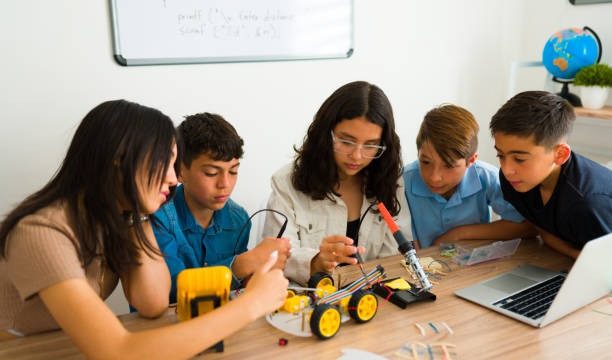
Integrating diverse teaching methods can also be a powerful strategy for student empowerment. Different students learn in different ways, and a one-size-fits-all approach often leaves some learners behind. By incorporating visual aids, hands-on activities, discussions, and technology, educators can cater to various learning styles. This variety not only keeps lessons engaging but also helps students discover their strengths. When learners see which methods resonate with them, they gain confidence in their abilities and become more proactive in their learning.
As we explore the concept of empowerment, it’s important to consider the role of reflection in the learning process. Encouraging students to reflect on their experiences and progress can deepen their understanding and foster a growth mindset. Simple reflective practices, such as journaling or group discussions, can help students articulate their thoughts and feelings about what they’ve learned. This self-awareness cultivates resilience, as students learn to embrace challenges and view setbacks as opportunities for growth.
Incorporating real-world connections into lesson plans is another way to empower students. When learners see how their education relates to the world around them, they become more engaged and motivated. Whether it’s through project-based learning, community service, or guest speakers, connecting lessons to real-life applications helps students understand the relevance of their education. This understanding can ignite a passion for learning, as students recognize the impact they can have on their communities and beyond.
Creating a safe and inclusive environment is essential for student empowerment. It’s vital for educators to establish a culture of respect and support where all students feel comfortable expressing themselves. This can be achieved through open communication, active listening, and fostering positive relationships among students and between students and teachers. When learners feel safe to share their thoughts and ideas, they are more likely to take risks and engage in meaningful discussions. This sense of security not only enhances their learning experience but also builds a strong classroom community.
In the journey of lesson planning, it’s essential to remain adaptable. Education is a dynamic field, and what works for one group of students may not work for another. Embracing flexibility allows educators to respond to the changing needs of their classroom. This could mean adjusting lesson plans based on student feedback, current events, or unexpected challenges. Being open to change fosters a culture of learning that values exploration and curiosity.
Another way to empower students is to celebrate their successes, no matter how small. Acknowledging achievements can boost confidence and motivate learners to continue striving for excellence. This celebration doesn’t always have to be grand; simple affirmations, sharing accomplishments with the class, or creating a display of student work can have a profound impact. When students feel recognized for their efforts, they develop a positive self-image and a desire to pursue their goals.
As we reflect on the essence of lesson planning for student empowerment, it’s clear that the focus should be on nurturing the whole person. Education is not just about academic success; it’s about fostering well-rounded individuals who are prepared to navigate the complexities of life. By emphasizing emotional intelligence, social skills, and critical thinking, educators can equip students with the tools they need to thrive beyond the classroom.
In conclusion, lesson planning for student empowerment is a journey of connection, creativity, and compassion. By prioritizing the needs of learners, incorporating diverse teaching methods, and fostering a supportive environment, educators can inspire students to take charge of their education. As we embrace this holistic approach, we cultivate a generation of empowered individuals ready to make their mark on the world. It’s a beautiful process, one that transforms not only the classroom but also the lives of those within it. Through thoughtful lesson planning, we can create a legacy of empowerment that resonates for years to come.