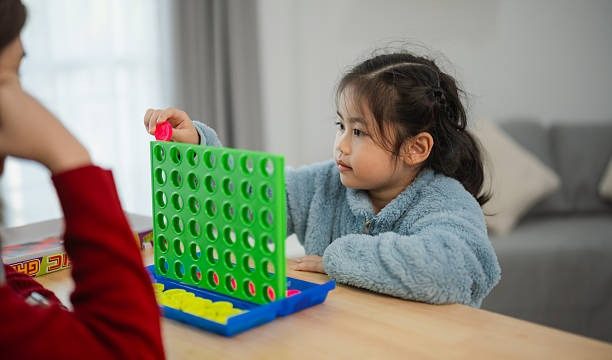
In today’s educational landscape, fostering a collaborative environment among students has become increasingly important.
Cooperative learning, where students work together toward shared goals, not only enhances understanding but also builds essential social skills.
As educators, the teaching styles we adopt can significantly influence how effectively cooperative learning takes root in our classrooms. Here, we explore various teaching styles that nurture this collaborative spirit, creating a more engaged and harmonious learning experience.
A gentle approach to collaboration
One of the most effective teaching styles that supports cooperative learning is the facilitative approach. This style emphasizes the teacher’s role as a guide rather than a primary source of information. When educators adopt a facilitative stance, they encourage students to take ownership of their learning. This can be achieved by posing open-ended questions and promoting discussions that allow students to explore ideas together. By creating a classroom atmosphere where students feel safe to express their thoughts and challenge each other’s perspectives, educators lay the groundwork for meaningful collaboration.
In a facilitative environment, students learn to listen actively and respect diverse viewpoints. This nurturing of communication skills is essential for effective teamwork. When students encounter differing opinions, they develop critical thinking abilities as they weigh various perspectives and negotiate solutions. The teacher, while stepping back, remains available to offer support and guidance, ensuring that the group dynamics remain positive and productive.
Fostering a sense of community
Another teaching style that complements cooperative learning is the community-building approach. This style focuses on creating a strong sense of belonging among students. By incorporating team-building activities and collaborative projects, educators can help students form connections with one another. When students feel like they are part of a community, they are more likely to engage in cooperative learning.
Building a sense of community can be as simple as arranging students in diverse groups, allowing them to interact with classmates they may not typically work with. Encouraging students to share personal stories or experiences related to the lesson can also enhance these bonds. When students see each other as allies rather than competitors, the atmosphere shifts to one of support and encouragement—a perfect backdrop for cooperative learning to flourish.
Creating a safe space for exploration
A nurturing teaching style that supports cooperative learning is the inquiry-based approach. This method invites students to explore questions and problems collaboratively, promoting curiosity and critical thinking. In an inquiry-based classroom, students work together to investigate topics, conduct experiments, or analyze case studies. This collaborative exploration not only deepens understanding but also strengthens relationships as students rely on each other’s strengths.
To implement this approach effectively, teachers can start by presenting a thought-provoking question or scenario. From there, students can collaborate in small groups, brainstorming ideas and strategies for investigation. The teacher’s role here is to facilitate the process, providing resources and guiding discussions without dominating the conversation. This style encourages students to actively participate in their learning while cultivating a sense of teamwork and shared responsibility.
Embracing diversity in learning styles
Recognizing the diverse learning styles within a classroom is another essential aspect of supporting cooperative learning. Adopting a differentiated instruction approach allows educators to tailor their teaching to meet the varied needs of students. This flexibility not only enhances individual learning experiences but also fosters collaboration among students with different strengths.
When students work in groups, they can bring their unique perspectives and skills to the table. For example, a student who excels in visual learning might create a graphic organizer to help the group understand a complex idea, while another student with strong verbal skills might lead discussions. By valuing and leveraging these differences, teachers create a rich collaborative environment where every student feels valued and empowered.
Encouraging reflection and feedback
Incorporating reflective practices into cooperative learning can significantly enhance the experience for students. When educators encourage students to reflect on their collaborative efforts, they foster a deeper understanding of both the content and the group dynamics. This reflective approach can be woven into class discussions or individual journals, allowing students to express their thoughts about what worked well and what could be improved.
Providing constructive feedback is a crucial component of this reflective process. Teachers can model how to give and receive feedback, helping students understand the importance of communication and support in a cooperative learning setting. When students learn to give thoughtful feedback to their peers, they not only contribute to each other’s growth but also develop their ability to engage in respectful dialogue.
A small shift toward balance
Finally, it is essential to strike a balance between individual accountability and group collaboration. While cooperative learning thrives on teamwork, students also need to understand their personal responsibilities within the group. Educators can implement strategies that clarify individual roles and expectations, ensuring that each student contributes to the group’s success.
This balance can be achieved through structured group activities where roles are assigned based on students’ strengths and interests. For instance, one student might take on the role of a researcher, while another might focus on presentation skills. By making individual contributions clear, educators help students appreciate the importance of their participation in the larger group effort, reinforcing the value of collaboration.
In conclusion, the teaching styles that support cooperative learning are diverse and multifaceted. By adopting facilitative, community-building, inquiry-based, and differentiated approaches, educators can create a vibrant classroom environment where students thrive together. Encouraging reflection and balancing individual accountability with group collaboration further enhances this dynamic. As we embrace these teaching styles, we not only enrich the educational experience but also prepare students for the collaborative nature of the world beyond the classroom. In nurturing cooperative learning, we are, in essence, fostering a generation of thoughtful, engaged, and compassionate individuals.