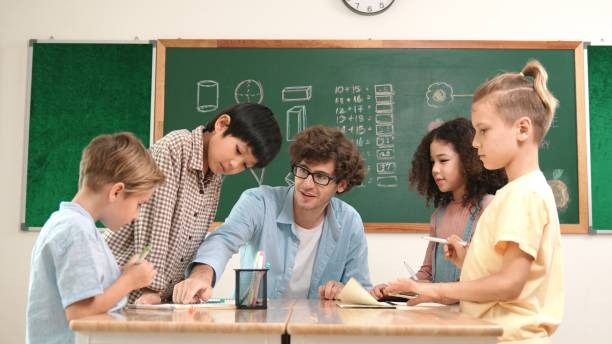
Teaching social skills at home can feel like a daunting task, but with a little creativity and patience, it can also be a rewarding journey.
Social skills are essential for navigating our daily lives, helping children form friendships, express themselves, and understand others.
Here, we explore some engaging and fun ways to nurture these vital skills in the comfort of your home.
Creating a Safe Space for Expression
At the heart of learning social skills is the need for a safe environment where children feel comfortable expressing themselves. Start by creating a cozy corner in your home dedicated to open dialogue. This could be a simple area with cushions, soft lighting, and perhaps some favorite books. Encourage your child to share their thoughts and feelings, whether it’s about their day at school or a recent experience with a friend. The key is to listen actively, showing that their feelings are valid and important.
Role-Playing Everyday Scenarios
Role-playing can be a powerful tool for teaching social skills. It allows children to practice different social situations in a low-pressure setting. You might simulate a playdate where they have to share toys or take turns. Alternatively, you can act out scenarios like meeting someone new or resolving a conflict. This playful approach not only makes learning fun but also helps children understand the nuances of social interactions. They can experiment with different responses and see what works best, all while feeling supported by you.
Incorporating Storytime with a Twist
Storytime is a beloved tradition in many homes, and it can be a wonderful opportunity for social skill development. Choose stories that highlight themes of friendship, empathy, and cooperation. After reading, engage your child in discussions about the characters’ feelings and choices. Ask questions like, “How do you think that character felt?” or “What would you do in that situation?” This encourages them to think critically about emotions and perspectives, helping them to develop empathy and understanding.
Making Use of Family Game Nights
Family game nights are not just about having fun; they can also be excellent for teaching social skills. Board games and group activities foster teamwork, patience, and communication. Choose games that require players to work together or strategize, which can lead to discussions about cooperation and respect for others’ ideas. When playing, emphasize the importance of good sportsmanship, whether winning or losing. This can help your child learn to celebrate others’ successes while handling their own disappointments gracefully.
Encouraging Group Activities
If your child enjoys being around peers, consider organizing small group activities at home. This could be a simple arts and crafts session, a cooking project, or a backyard picnic. Invite a few friends over and encourage collaborative tasks that require discussion and teamwork. Observe how they interact and step in gently to guide them if conflicts arise. This hands-on experience helps children learn to communicate effectively and navigate social dynamics in a fun and relaxed setting.
Utilizing Technology Mindfully
In today’s digital age, technology can be a double-edged sword. While it can sometimes promote isolation, it also offers unique opportunities for social skill development. Consider setting up virtual playdates or collaborative online games with friends. This can help children learn to communicate and connect with others in a digital space. Encourage them to express their feelings and thoughts during these interactions, reinforcing the importance of clear communication, even when not face-to-face.
Fostering Empathy Through Community Involvement
Engaging with the community can be a beautiful way to teach social skills. Look for opportunities where your family can volunteer together, such as helping at a local food bank or participating in community clean-up days. These experiences not only enhance social awareness but also instill a sense of responsibility and empathy toward others. Discuss with your child the impact of their actions and how they can contribute positively to their community, reinforcing the idea of connection and support.
Encouraging Expressive Arts
Artistic expression can be a profound way for children to explore and convey their emotions. Encourage your child to engage in drawing, painting, or even performing arts. You might set up a mini talent show at home where they can showcase their creations or skills. This not only builds confidence but also provides a platform for them to express their feelings and thoughts in creative ways. Discussing their artwork or performance afterward can lead to conversations about emotions and perspectives, deepening their understanding of social interactions.
Nurturing Active Listening Skills
Active listening is a crucial component of effective communication. To nurture this skill, engage in activities that require your child to listen and respond thoughtfully. For instance, you might read a story and ask them to summarize it or share their thoughts about it afterward. You could also play “telephone,” where a message is whispered from one person to another, emphasizing the importance of listening carefully. These playful interactions can help your child grasp the value of being attentive and present in conversations.
Building Confidence Through Positive Reinforcement
As your child navigates the complexities of social interactions, it’s essential to celebrate their efforts and progress. Positive reinforcement can boost their confidence and motivate them to continue developing their social skills. Acknowledge their successes, no matter how small, and provide gentle guidance when they face challenges. This supportive approach fosters resilience and encourages them to keep trying, knowing they have a safe space to grow.
Creating a culture of kindness and understanding at home lays the foundation for children to develop strong social skills. By incorporating these creative strategies into your daily routine, you can help your child navigate their social world with greater ease and confidence. Remember, the journey of learning social skills is ongoing, and with your support, they can flourish into compassionate, empathetic individuals ready to embrace the world around them.