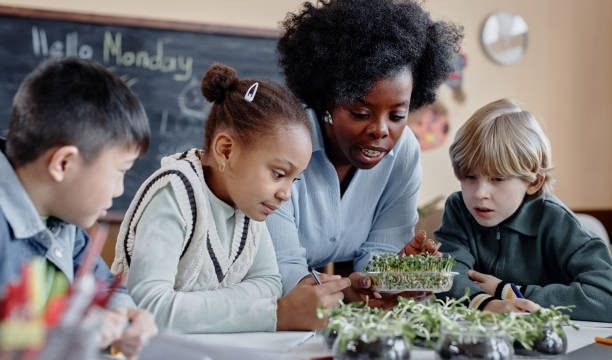
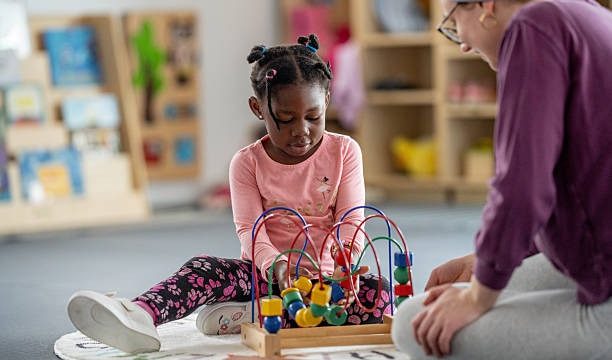
A friendly first step into school can feel like a momentous occasion, both for children and their parents.
As the school year begins, it brings with it a blend of excitement and apprehension.
It’s a time of new beginnings, fresh friendships, and uncharted territories. This transition, while significant, can also be a gentle journey filled with opportunities for growth and connection.
Every child will approach their first day of school with a unique perspective. Some may skip in with eager smiles, while others might cling to a parent’s leg, hesitant to let go. Understanding these varied emotions is essential in creating a supportive environment that fosters confidence and curiosity. By considering this blend of feelings, parents can help their children navigate this pivotal moment with warmth and reassurance.
The importance of preparation cannot be understated. Creating a calm and welcoming atmosphere at home can make all the difference. In the weeks leading up to the first day, parents might find joy in exploring the school’s environment together. A visit to the school can help demystify the space, allowing children to visualize their new routine. Walking through the hallways, peeking into classrooms, and meeting teachers can ease the anxiety of the unknown.
Engaging in conversations about what to expect can also be incredibly beneficial. Sharing stories about school experiences, either from parents’ own childhoods or anecdotes about friends, can spark excitement and curiosity. Discussing the various activities that await, like art projects, recess, and storytime, can paint a vibrant picture of the school day. When children see school as a place of fun and learning, they are more likely to approach it with enthusiasm.
As the first day approaches, preparing together can be a delightful bonding experience. Choosing a special outfit or packing a favorite lunch can instill a sense of ownership and pride. Involving children in these decisions allows them to express their individuality and feel a sense of control over their new environment. This small act of participation can transform apprehension into excitement, making them feel part of the journey.
It’s also essential to acknowledge that the first days may not go perfectly. Children may experience a range of emotions, from joy to sadness, and that’s entirely normal. Allowing space for these feelings can help children process their experiences. Parents can foster open dialogue, encouraging their little ones to share their thoughts and feelings. Simple questions like, “What was your favorite part of the day?” or “How did you feel during lunch?” can pave the way for deeper conversations. This practice not only helps children articulate their feelings but also strengthens the parent-child bond.
Creating a consistent routine can further enhance this transition. Children thrive on structure, and having a predictable schedule can provide a sense of security. Establishing morning rituals, such as a special breakfast or a calming moment before heading out, can set a positive tone for the day. Similarly, winding down in the evening with stories or quiet time can help children process their day and prepare for the next.
A small shift toward balance is also essential during this time. As parents, it’s easy to get caught up in the whirlwind of school preparations, from shopping for supplies to attending orientation meetings. However, it’s crucial to maintain a sense of balance and mindfulness. Taking time for self-care, whether it’s enjoying a quiet cup of tea or engaging in a favorite hobby, can help parents stay grounded. When parents model calmness and positivity, children are more likely to mirror those behaviors.
Encouraging social connections can also enrich this experience. Arranging playdates with classmates or participating in community activities can help children build friendships outside of the classroom. These connections can provide a support system that enhances their school experience. When children feel they have friends they can rely on, they are more likely to approach school with confidence and joy.
As the school year progresses, it’s important to celebrate the small victories. Acknowledging achievements, no matter how minor they may seem, can boost children’s self-esteem. Whether it’s mastering a new skill, making a new friend, or simply feeling less anxious about attending school, these moments deserve recognition. Parents can create a culture of appreciation at home, reinforcing the idea that every step forward is worthy of celebration.
It’s also valuable to stay engaged with teachers and school staff. Building a relationship with educators can provide insights into a child’s progress and challenges. Regular communication can help parents stay informed and involved, allowing them to better support their children’s educational journey. When parents and teachers collaborate, it creates a nurturing environment that fosters growth and learning.
As the school year unfolds, it’s essential to remain patient and flexible. Children are constantly evolving, and their needs may shift throughout the year. Being attuned to these changes can help parents adapt their support accordingly. Whether it’s adjusting routines, providing extra encouragement, or simply listening, being present for children during this time of growth is invaluable.
In conclusion, taking that first step into school is a journey filled with emotions, discoveries, and opportunities for connection. By creating a warm and supportive environment, engaging in open conversations, and fostering social connections, parents can help their children navigate this transition with confidence and joy. As the school year begins, let’s embrace this exciting chapter with an open heart, knowing that every small step is a significant part of a much larger adventure.