Creating an inclusive classroom environment is one of the most rewarding challenges educators can undertake.
It involves weaving together various strategies that cater to the diverse needs of all students, fostering a sense of belonging, and nurturing the unique abilities each child brings.
As we explore lesson plan strategies for inclusive education, we’ll delve into practical approaches that promote engagement and understanding, ensuring every student feels valued and empowered.
A gentle start to understanding inclusivity in education is recognizing that every learner is unique. This individuality extends beyond academic abilities; it encompasses different learning styles, backgrounds, and experiences. The goal of inclusive education is to create an environment where all students can thrive, regardless of their differences. By embracing this variety, educators can design lesson plans that not only meet educational standards but also resonate with the hearts and minds of their students.
One effective strategy is to incorporate Universal Design for Learning (UDL) principles into lesson planning. UDL encourages flexibility in teaching methods, materials, and assessments, allowing educators to cater to diverse learning preferences. For instance, instead of relying solely on traditional lectures, consider using multimedia resources, such as videos or interactive presentations, that can engage visual, auditory, and kinesthetic learners alike. This approach not only enriches the learning experience but also helps students feel more connected to the material.
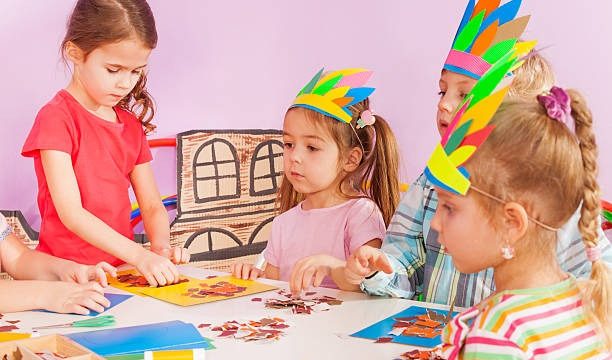
Creating a supportive atmosphere where students feel safe to express themselves is another fundamental aspect of inclusive education. Encouraging open dialogue and fostering a classroom culture based on respect can significantly enhance student engagement. One way to cultivate this environment is through community-building activities. Simple icebreakers or cooperative learning tasks can help students learn about each other, breaking down barriers and building friendships. When students feel a sense of community, they are more likely to participate actively and share their thoughts, enriching the classroom experience for everyone.
Incorporating differentiated instruction into lesson plans is also essential for addressing the varied needs of students. This involves tailoring teaching methods and resources to accommodate different learning levels and styles. For example, during a reading lesson, some students might benefit from guided reading groups, while others may thrive in independent reading tasks. By providing choices and allowing students to engage with the material in ways that suit them, educators can foster a love for learning and help each child reach their potential.
Another important strategy is to integrate culturally responsive teaching. This approach acknowledges and respects the diverse cultural backgrounds of students, weaving their experiences into the curriculum. By including literature, examples, and historical contexts that reflect the identities of all students, educators can create a more relatable and engaging learning experience. This not only enhances understanding but also promotes empathy and appreciation for diversity among peers.
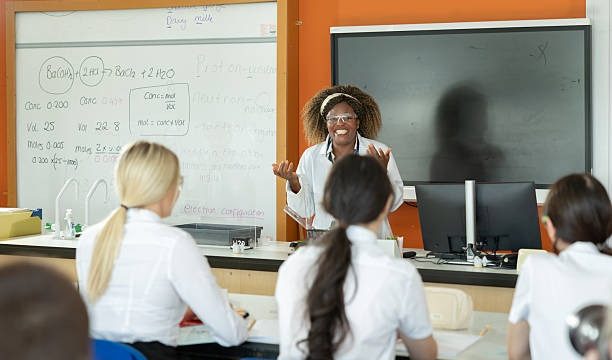
As we consider lesson planning, the role of collaboration cannot be overstated. Working closely with special education professionals, counselors, and even parents can provide valuable insights into the needs of individual students. Collaborative planning allows educators to design lessons that are not only inclusive but also tailored to support students who may require additional resources or accommodations. This team approach fosters a sense of shared responsibility for student success, creating a supportive network that benefits everyone involved.
A small shift toward balance in lesson planning can also be achieved through the use of flexible grouping. This strategy allows students to work in various configurations—individually, in pairs, or in small groups—depending on the task at hand. By utilizing flexible grouping, educators can create opportunities for peer learning and collaboration, allowing students to learn from one another’s strengths. This not only promotes social skills but also reinforces the idea that everyone has something valuable to contribute.
Incorporating technology thoughtfully can also enhance inclusivity in the classroom. Assistive technology tools, such as speech-to-text software or interactive learning apps, can provide additional support for students with different learning needs. Moreover, technology can facilitate access to diverse learning materials, enabling students to engage with content that resonates with them personally. By integrating these tools into lesson plans, educators can create a more dynamic and inclusive learning environment.
As we navigate the complexities of inclusive education, it’s essential to remain adaptable and open to change. Regularly reflecting on lesson effectiveness and seeking feedback from students can help educators identify areas for improvement. Creating an inclusive classroom is not a one-time effort but an ongoing journey that requires continuous learning and growth. By embracing this mindset, educators can develop lesson plans that evolve alongside their students’ needs, ensuring that everyone feels seen and heard.
Finally, celebrating student achievements, both big and small, plays a crucial role in fostering an inclusive classroom environment. Recognizing individual progress and contributions not only boosts students’ confidence but also reinforces a positive classroom culture. By highlighting diverse talents and successes, educators can inspire all students to strive for their best, reinforcing the idea that everyone has unique strengths to offer.
In conclusion, lesson plan strategies for inclusive education are about more than just meeting academic standards; they are about nurturing a supportive and engaging learning environment for all students. By embracing diverse learning styles, fostering collaboration, and integrating culturally responsive practices, educators can create spaces where every child feels valued and empowered. This journey toward inclusivity is not only beneficial for students but enriches the educational experience for everyone involved, creating a vibrant, harmonious classroom community. With patience, creativity, and a commitment to understanding, educators can truly make a difference in the lives of their students, guiding them toward a brighter future.