Helping Students Learn Confidence Through Good Behavior
In today’s fast-paced world, where students are often bombarded with expectations, pressures, and challenges, nurturing self-confidence can be a delicate journey.
One of the most effective ways to help students build this essential trait is through the cultivation of good behavior.
It may seem simple, but the connection between behavior and confidence is profound and transformative.
The foundation of confidence is built on a sense of self-worth and the belief that one can navigate life’s challenges. When students engage in positive behaviors, they gradually develop a more robust self-image. This article explores how good behavior can serve as a bridge to greater confidence for students of all ages.
A small shift toward balance
Good behavior is not merely about following rules; it encompasses a broader spectrum of actions. It includes kindness, cooperation, respect, and responsibility. When students practice these behaviors, they begin to see the positive impact they have on their surroundings. They learn that their actions can foster connections with peers and teachers, creating a supportive environment that encourages growth.
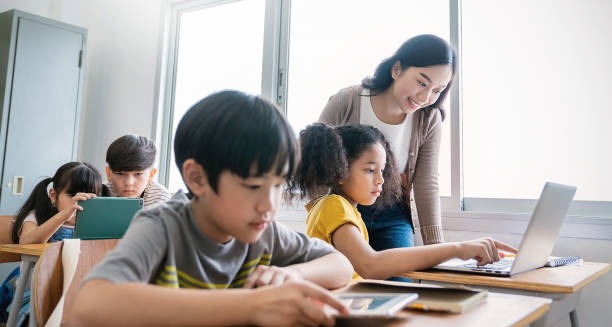
Imagine a classroom where students help each other with assignments or celebrate each other’s achievements. In such a space, students feel valued and understood, which is crucial for building confidence. They begin to realize that their contributions matter, reinforcing the idea that they are capable individuals. This realization is a pivotal moment in their journey toward self-assurance.
The role of encouragement
Encouragement plays a vital role in reinforcing good behavior. When students receive positive feedback for their actions, it affirms their choices and encourages them to continue on that path. Teachers and parents can create an atmosphere where students feel safe to express themselves and take risks. Simple words of affirmation or recognition of their efforts can ignite a spark of confidence that may carry them through challenges.
It’s important to remember that every student is unique and may respond differently to various forms of encouragement. Some may thrive on verbal praise, while others might appreciate a simple nod of acknowledgment or a smile. By paying attention to individual needs, adults can fine-tune their approach, ensuring that every student feels seen and appreciated.
Creating opportunities for success
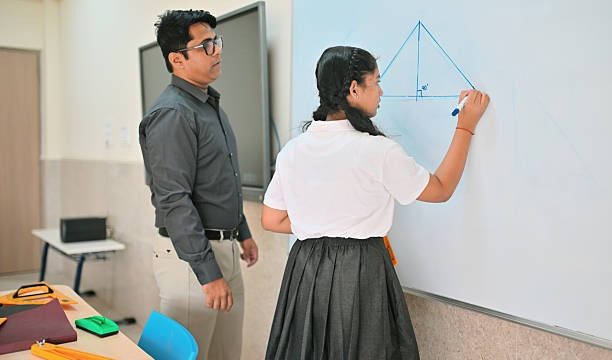
One of the most effective ways to foster confidence through good behavior is by creating opportunities for success. When students are given responsibilities, whether in the classroom or at home, they gain a sense of ownership and accountability. This can be as simple as leading a group project, helping organize classroom materials, or participating in school events.
These responsibilities allow students to experience their capabilities firsthand. Each small success builds upon the last, gradually strengthening their belief in themselves. When students see that they can accomplish tasks, they become more willing to take on new challenges, knowing that they have the skills to succeed.
The power of modeling
Children and adolescents are keen observers. They often mirror the behaviors they see in adults. Therefore, modeling good behavior is one of the most effective strategies for instilling confidence in students. When teachers and parents demonstrate kindness, respect, and responsibility, they provide a living example for students to emulate.
Moreover, sharing personal experiences of overcoming challenges can be incredibly empowering. When students see that their role models have faced difficulties but persevered, it can inspire them to do the same. This connection fosters a sense of resilience, reminding students that setbacks are a natural part of growth.
Building a supportive community
Confidence flourishes in a nurturing environment. Schools and communities that prioritize collaboration and inclusivity create a fertile ground for students to thrive. When students feel that they belong to a supportive community, they are more likely to engage in positive behaviors. This sense of belonging enhances their self-esteem and encourages them to contribute positively to their surroundings.
Creating a culture of kindness can be as simple as initiating group activities or projects that require teamwork. When students work together toward a common goal, they build relationships and develop essential social skills. These interactions not only boost their confidence but also teach them the value of collaboration and empathy.
Encouraging self-reflection
Self-reflection is a powerful tool for personal growth. Encouraging students to take a moment to reflect on their actions and behaviors can lead to profound insights about themselves. This practice helps them understand the impact of their choices on themselves and others.
When students engage in self-reflection, they can identify areas for improvement and recognize their strengths. This awareness is integral to building confidence. By acknowledging their progress and celebrating their achievements, however small, students can cultivate a positive self-image.
The journey of developing confidence through good behavior is not a quick fix; it is a gradual process that requires patience and support. It involves creating an environment where students feel safe to explore their potential, make mistakes, and learn from them.
As educators, parents, and mentors, we have the opportunity to guide students on this journey. By emphasizing the importance of good behavior, offering encouragement, modeling positive actions, and fostering a supportive community, we can help students build the confidence they need to thrive.
Ultimately, this journey is about more than just academic success; it is about nurturing well-rounded individuals who believe in themselves and their ability to contribute positively to the world. With each small step toward good behavior, students are not only learning how to navigate their immediate environment but are also laying the groundwork for a lifetime of confidence and resilience.