Supporting Students With Guided Behavior Plans
Navigating the world of education can be a complex journey, especially for students who may face unique challenges in their learning environments.
For many educators and parents, the concept of a guided behavior plan serves as a beacon of hope.
This approach not only supports students in managing their behaviors but also enriches their overall learning experience, fostering a nurturing environment where they can thrive.
Understanding the essence of guided behavior plans is key to unlocking their potential. These plans are tailored strategies designed to assist students in developing positive behaviors and coping mechanisms. Rather than focusing solely on disciplinary measures, guided behavior plans emphasize proactive support and constructive interventions. The goal is to create a collaborative framework that encourages students to take ownership of their actions while providing them with the necessary tools to succeed.
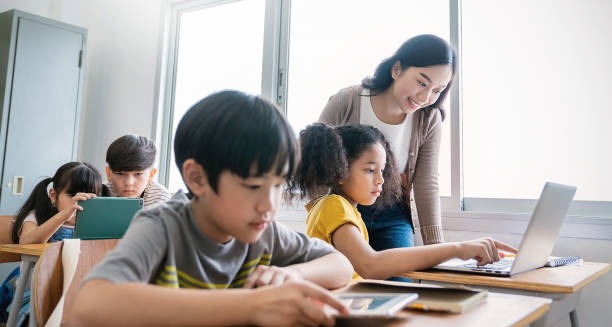
One of the most heartwarming aspects of implementing a guided behavior plan is the emphasis on collaboration. Teachers, parents, and even the students themselves can come together to craft a plan that reflects the individual needs of the student. This sense of teamwork not only builds trust but also fosters a sense of belonging. When students feel that they are part of a supportive community, they are more likely to engage positively with their peers and educators.
A small shift toward balance can make a significant difference in a student’s life. For instance, when a student struggles with impulsivity, a guided behavior plan might include strategies for self-regulation. This could involve teaching mindfulness techniques or providing opportunities for breaks when the classroom environment becomes overwhelming. By incorporating such practices, students learn to recognize their feelings and develop healthier coping mechanisms.
In many cases, guided behavior plans also address social skills development. For students who may find it challenging to connect with their peers, incorporating social stories or role-playing scenarios can be incredibly beneficial. These tools help students navigate social situations, understand social cues, and build friendships. As they practice these skills in a safe environment, students gain confidence and a greater sense of self-worth.
Another essential aspect of these plans is the focus on positive reinforcement. Celebrating small victories can have a profound impact on a student’s motivation and self-esteem. Whether it’s through verbal praise, a simple acknowledgment, or a reward system, positive reinforcement encourages students to strive for their best. This approach nurtures a growth mindset, where students learn to view challenges as opportunities for growth rather than insurmountable obstacles.
Creating a guided behavior plan is not a one-time event; it’s an ongoing process that requires regular reflection and adjustment. As students grow and change, so too should their plans. This adaptability is crucial for ensuring that the support provided remains relevant and effective. Teachers and parents can work together to monitor progress, celebrate achievements, and make necessary modifications to the plan. This flexibility demonstrates to students that their needs are valid and that their voices matter.
Integrating guided behavior plans into the classroom also fosters a culture of empathy and understanding among students. When students are educated about the challenges their peers may face, it cultivates an atmosphere of compassion. This can lead to deeper connections among classmates and a greater willingness to support one another. As students learn to embrace diversity in all its forms, they become more equipped to navigate the complexities of the world outside the classroom.
While the implementation of guided behavior plans is beneficial for students, it also serves as a valuable resource for educators. Teaching is a demanding profession, and having a structured plan in place can alleviate some of the pressures teachers face. With clear guidelines and strategies, educators can approach each student with confidence, knowing they have a framework to guide their interactions and interventions.
Furthermore, the positive ripple effects of guided behavior plans extend beyond the classroom. When students learn to manage their behaviors effectively, they carry these skills into their daily lives. Whether it’s in social situations, at home, or in future educational settings, the lessons learned through guided behavior plans create a foundation for lifelong success. This holistic approach to behavior management ultimately contributes to the well-being of students, helping them lead fulfilling lives.
As we navigate the evolving landscape of education, it’s essential to prioritize the emotional and social well-being of our students. Guided behavior plans offer a gentle path toward understanding and support, allowing students to flourish in their unique ways. By fostering collaboration, celebrating successes, and promoting empathy, we can create an educational environment that nurtures the whole child.
In conclusion, supporting students through guided behavior plans is not just about addressing behavioral concerns; it’s about embracing the journey of growth and learning. By offering tailored support and fostering a sense of community, we can empower our students to become resilient, confident individuals. As we continue to explore innovative ways to enhance education, let us remember that the heart of learning lies in understanding, compassion, and collaboration. Together, we can create spaces where every student feels valued and capable of achieving their dreams.