Building respectful peer relationships is an essential part of a student’s journey through school and beyond.
As young people navigate the complexities of social interactions, they often find themselves in a rich tapestry of friendships, rivalries, and everything in between.
It’s a time of exploration, discovery, and sometimes, challenge. In this article, we will explore gentle ways to foster respectful relationships among peers, creating a nurturing environment that benefits everyone.
Understanding the foundation of respect is crucial. At its core, respect involves recognizing and valuing the feelings, thoughts, and experiences of others. It is an acknowledgment that every individual is unique, with their own perspectives and backgrounds. When students learn to appreciate these differences, they begin to cultivate an atmosphere where kindness flourishes. This can be as simple as listening attentively when someone else speaks or showing appreciation for a classmate’s contributions, no matter how small.
One of the most effective ways to promote respect among peers is through open communication. Encouraging students to express their thoughts and feelings in a safe environment can lead to deeper connections. When students feel heard, they are more likely to reciprocate that respect to others. Teachers and parents can play a pivotal role here by modeling effective communication skills—using “I” statements, asking open-ended questions, and validating feelings can set the stage for students to do the same.
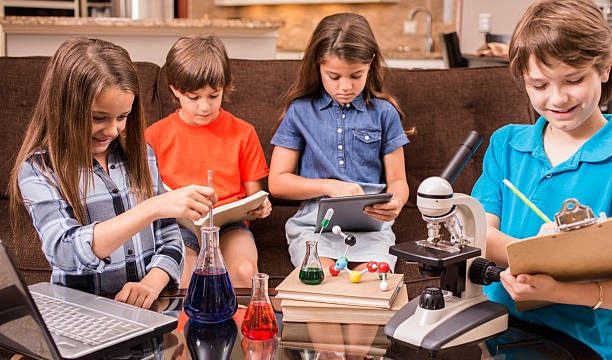
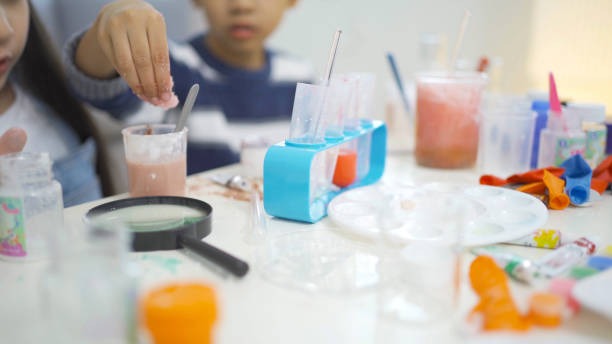
Creating opportunities for collaboration is another wonderful way to foster respectful relationships. When students work together on projects or activities, they learn the importance of teamwork and compromise. This shared experience can help break down barriers and build trust. Whether it’s through group assignments, sports, or clubs, collaborative experiences encourage students to appreciate each other’s strengths and support one another’s growth.
In every community, there are moments when misunderstandings arise. These situations can serve as valuable teaching moments. Instead of allowing conflicts to fester, guiding students in resolving their differences respectfully can be transformative. This might involve role-playing scenarios where they practice apologizing, forgiving, or simply listening to one another’s viewpoints. By approaching conflicts with a mindset of learning, students can develop resilience and empathy—two key components of respectful relationships.
Celebrating diversity is also essential in building a culture of respect. Schools are melting pots of different cultures, beliefs, and backgrounds. Encouraging students to share their unique stories and traditions can foster a sense of belonging. This not only enriches the learning environment but also helps students see the beauty in differences. Cultural events, discussions, and even simple classroom activities can create an inclusive atmosphere where everyone feels valued.
A small shift toward balance can also make a difference. In a world that often emphasizes competition, it’s important to remind students that collaboration and support can lead to greater achievements. Encouraging a mindset that values cooperation over rivalry can transform how students interact. Instead of viewing peers merely as competitors, they can learn to see them as allies in their academic and personal journeys.
Moreover, teaching students about emotional intelligence can significantly enhance their ability to build respectful relationships. Understanding one’s own emotions and recognizing the emotions of others are key skills that can lead to more meaningful connections. Workshops or discussions on empathy, active listening, and emotional regulation can equip students with the tools they need to navigate their social interactions more effectively.
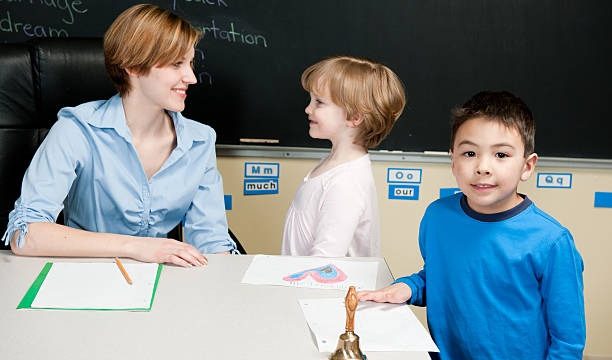
Building peer relationships is not just about the students themselves; it also involves the larger school community. Encouraging teachers and staff to create a supportive environment can have a lasting impact. When educators model respect and kindness, it sets a powerful example for students to follow. Regular training and workshops for teachers on fostering respectful classrooms can create a ripple effect throughout the school.
Another gentle approach to fostering respect is through mentorship programs. Pairing older students with younger ones can create a nurturing dynamic where knowledge and experience are shared. Mentors can guide their mentees, offering advice and support while also learning valuable lessons about responsibility and care. This relationship can foster a sense of community, allowing students to feel connected and supported in their educational journey.
In the digital age, it’s also critical to address how students communicate online. Teaching responsible digital citizenship is vital in helping students understand the impact of their words and actions in virtual spaces. Encouraging respectful communication online is just as important as in-person interactions. Discussions about cyberbullying, online etiquette, and the importance of kindness in digital spaces can help students navigate their online relationships with care.
As students grow and develop, the relationships they build can significantly influence their overall well-being. Healthy peer interactions can boost self-esteem, enhance emotional resilience, and create a sense of belonging. It’s essential for students to feel they have a support network they can rely on, particularly during challenging times. Encouraging friendships based on mutual respect can lay the groundwork for lasting connections that extend beyond the school years.
Ultimately, fostering respectful peer relationships is a continuous process that requires patience, understanding, and commitment. It is about creating a culture where kindness is the norm, and every student feels valued. By prioritizing respect in interactions, we can help students develop the social skills they need to thrive in all areas of life.
In this journey, let’s remember that every small effort counts. A simple act of kindness, a word of encouragement, or a listening ear can make a world of difference. Together, we can guide students toward building strong, respectful relationships that enrich their lives and the lives of those around them.