Creating Shared Learning Goals Across the Class
In a world that thrives on collaboration and shared experiences, the classroom offers a unique tapestry of diverse minds coming together.
Each student brings their own strengths, challenges, and perspectives, creating an environment rich with potential.
As educators and students alike navigate the journey of learning, one powerful approach to maximize this potential is by creating shared learning goals. This practice not only fosters a sense of community but also encourages students to take ownership of their learning journey.
The heart of shared learning goals lies in their collaborative nature. When students contribute to setting these goals, they become more invested in the outcomes. This collaboration transforms the classroom into a space where each voice matters, where students learn not just from the curriculum but from one another. It’s a gentle reminder that education is not merely about individual achievements but about collective growth.
A small shift toward balance can make a significant difference in how students perceive their roles within the classroom. When teachers initiate conversations around shared goals, they invite students to reflect on their aspirations and challenges. This dialogue encourages a deeper understanding of what they hope to achieve together. It also allows educators to identify areas where students may need additional support, fostering a culture of empathy and cooperation.
Imagine a classroom where students feel empowered to express their ideas and dreams. By engaging in discussions about shared learning goals, there’s an opportunity for students to articulate their needs and desires. They might express their interest in exploring a particular subject more deeply or collaborating on a project that resonates with them. This open exchange not only strengthens relationships among students but also nurtures a sense of belonging.
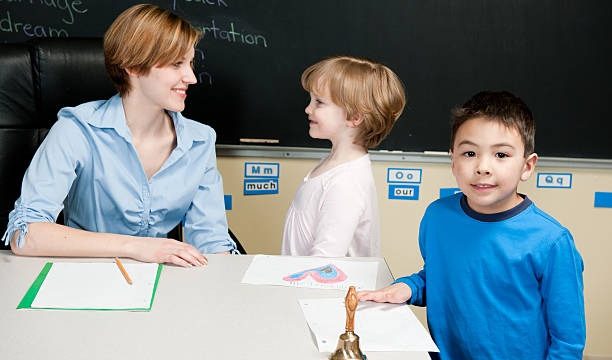
Creating shared learning goals can take various forms. Teachers might facilitate brainstorming sessions where students can discuss their interests and aspirations. These sessions can be informal, allowing for a relaxed atmosphere where creativity can flourish. As students share their thoughts, teachers can guide the discussion to help synthesize these ideas into cohesive goals that reflect the collective vision of the class. This process not only enhances communication skills but also promotes active listening and respect for differing viewpoints.
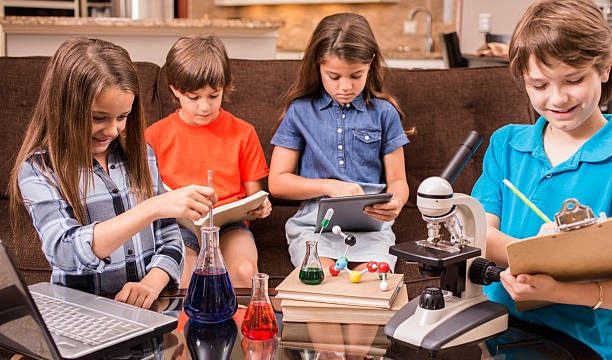
Once shared goals are established, the next step is to create a plan for achieving them. This is where the magic of collaboration truly shines. Students can break down the goals into manageable steps, assigning roles and responsibilities that align with their strengths. For instance, in a project-based learning scenario, some students might take on research roles, while others focus on presentation or creative elements. This division of labor not only makes the tasks more achievable but also allows students to appreciate each other’s contributions.
As students work together toward these shared goals, they develop critical life skills that extend beyond the classroom. They learn the importance of teamwork, communication, and problem-solving. These skills are invaluable, preparing them for future endeavors in both academic and professional settings. Moreover, the collaborative spirit nurtured in the classroom can inspire students to carry these values into their communities, fostering a culture of cooperation and support.
Regular reflection is an essential component of this journey. As students progress toward their shared objectives, taking time to reflect on their experiences can deepen their understanding. Reflection can be as simple as group discussions or individual journaling. These moments of contemplation allow students to celebrate their successes, acknowledge challenges, and adjust their strategies as needed. This iterative process fosters resilience and adaptability, crucial traits in an ever-changing world.
In addition to academic benefits, creating shared learning goals can significantly enhance the emotional climate of the classroom. When students feel a sense of purpose and belonging, they are more likely to engage positively with their peers and their learning. This emotional connection can reduce anxiety and increase motivation, creating a ripple effect that enriches the overall learning experience.
As educators navigate this process, it’s essential to remain flexible and responsive to the evolving needs of the class. There may be times when goals need to be adjusted or redefined, and that’s perfectly okay. Embracing this fluidity allows for a more authentic learning experience, one that reflects the dynamic nature of student interactions and interests.
Creating shared learning goals is not just a pedagogical strategy; it’s an invitation to cultivate a community of learners who support and uplift one another. It’s about recognizing that every student has something valuable to contribute and that together, they can achieve more than they could alone. This approach doesn’t just enhance academic outcomes; it enriches the very fabric of the classroom, transforming it into a nurturing space where collaboration thrives.
As we reflect on the importance of shared learning goals, let’s remember that the journey is just as significant as the destination. The connections made, the skills developed, and the memories created along the way are what truly define the educational experience. By fostering a culture of collaboration and shared aspirations, we not only empower our students but also prepare them to navigate the world with confidence and compassion.
In this ever-evolving landscape of education, let us embrace the power of togetherness. Through shared learning goals, we can cultivate a generation of learners who are not only knowledgeable but also empathetic, resilient, and ready to make a positive impact on the world. With each small step taken together, we move closer to a brighter, more connected future.