Creating Interesting Group Tasks for Students
In the ever-evolving landscape of education, fostering collaboration among students has become a cornerstone of effective learning.
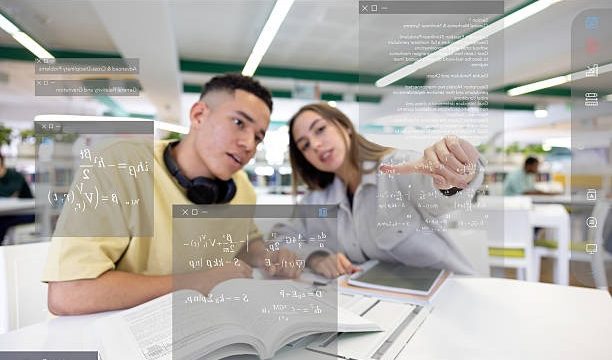
Group tasks not only enhance academic understanding but also cultivate essential life skills such as communication, teamwork, and problem-solving.
The challenge lies in designing these activities to be engaging, meaningful, and, ultimately, enjoyable for everyone involved. Let’s explore ways to create interesting group tasks that spark curiosity and enthusiasm in students.
A gentle nudge toward creativity can transform the mundane into the extraordinary. One effective approach is to anchor tasks in real-world scenarios that resonate with students’ interests and experiences. For instance, consider a project where students must design a product that addresses a community issue, such as environmental sustainability or social justice. By connecting their work to tangible problems, students can see the relevance of their efforts, making the task feel less like an obligation and more like an opportunity for impact.
Encouraging creativity doesn’t mean abandoning structure. Providing a flexible framework allows students to express their ideas while maintaining focus. For example, if students are tasked with creating a presentation on a historical event, they might choose from various formats: a video, a podcast, or even a live reenactment. This flexibility not only caters to different learning styles but also empowers students to take ownership of their projects, fostering a sense of pride in their work.
Another way to invigorate group tasks is to incorporate elements of play. Gamification can turn a standard assignment into an engaging adventure. Imagine a scenario where students must solve a mystery related to their subject matter. By working together to piece together clues, they engage in critical thinking while enjoying the thrill of competition or collaboration. This playful approach can reduce anxiety and create a positive atmosphere, encouraging students to take risks and explore new ideas without fear of failure.
Creating interesting group tasks also involves being mindful of group dynamics. It’s essential to consider the diverse personalities and strengths within each group. Facilitators can encourage students to reflect on their individual skills and how they can contribute to the collective effort. This not only enhances the task at hand but also fosters a sense of belonging and respect among peers. When students feel valued for their unique contributions, they are more likely to invest emotionally in the group’s success.
A small shift toward balance can also be achieved by integrating reflection into group activities. Allowing time for students to discuss what went well, what challenges they faced, and how they overcame them can deepen their learning experience. Reflection isn’t just about assessing the outcome; it’s about understanding the journey. This practice can cultivate self-awareness and resilience, both of which are invaluable in academic and personal development.
Incorporating technology can further enrich group tasks, providing students with tools that enhance collaboration and creativity. Platforms like Google Docs or collaborative whiteboards allow for real-time brainstorming and feedback, regardless of whether students are working in the same physical space. Encouraging the use of these tools can also prepare students for future workplace environments, where digital collaboration is increasingly common.
To keep the energy flowing, consider introducing surprise elements that can reinvigorate group tasks. An unexpected guest speaker, a field trip related to the project, or even a spontaneous brainstorming session can breathe new life into a stagnant assignment. These moments of spontaneity can reignite passion and excitement, reminding students that learning is a dynamic and ever-changing process.
Creating interesting group tasks is not solely about the activities themselves; it’s also about building a supportive environment where students feel safe to express themselves. Establishing clear expectations and guidelines can help create a foundation of trust. When students know what is expected of them and understand the importance of mutual respect, they are more likely to engage wholeheartedly in the task.
As educators, we often find ourselves striving to ignite a spark of inspiration in our students. By designing group tasks that are not only educational but also enjoyable, we can create a rich tapestry of learning experiences that resonate long after the assignment is completed. Encouraging creativity, integrating play, fostering reflection, and embracing technology are just a few ways to infuse excitement into group tasks.
Ultimately, the goal is to create a space where students can collaborate, learn, and grow together. By thoughtfully crafting group tasks that consider the diverse needs and interests of students, we can cultivate a love for learning that transcends the classroom. In doing so, we prepare our students not just for academic success, but for a lifetime of curiosity, collaboration, and connection.
As we continue to navigate the complexities of education, let us remember the power of community and the joy of shared experiences. By investing in interesting group tasks, we can foster a vibrant learning environment that nurtures not just knowledge, but the human spirit. After all, education is not merely about imparting information; it’s about inspiring individuals to explore, question, and ultimately, to thrive together.