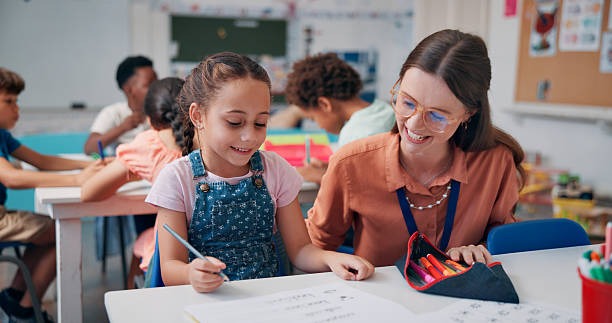
Creating an engaging learning environment is essential for both educators and students.
In today’s fast-paced world, classrooms often lean toward being overly structured, leaving little room for movement and spontaneity.
However, introducing teacher-friendly activities that encourage active participation can transform a traditional classroom into a vibrant learning space.
A gentle nudge toward activity
Incorporating movement into lessons doesn’t have to be a daunting task. Simple adjustments can create a more dynamic atmosphere. For instance, consider rearranging the classroom layout. Instead of rigid rows, try a circular or U-shaped seating arrangement. This encourages interaction and makes it easier for students to engage with each other and the teacher.
Once the space feels more open, you might explore activities that promote movement without sacrificing educational goals. Think about incorporating short movement breaks during lessons. A quick five-minute stretch or a brief dance can refresh minds and bodies, fostering better focus when students settle back down for learning. These moments not only energize the classroom but also create a sense of community.
Encouraging collaboration through movement
Group activities can be an excellent way to combine learning with movement. Simple games like “Find Someone Who…” allow students to mingle and learn about each other while completing educational tasks. This activity encourages students to move around the room, interact with their peers, and share their knowledge in a fun and dynamic way.
You might also consider implementing project-based learning that requires students to work together on tasks that involve physical engagement. For example, a science experiment can be done outdoors, where students can gather materials, conduct experiments, and discuss findings in a lively setting. This not only reinforces the subject matter but also allows students to learn from one another in an active, hands-on way.
A small shift toward balance
While movement is essential, balance is equally important. An active classroom doesn’t mean constant chaos; rather, it is about finding the right rhythm. Integrating mindfulness practices can help students center themselves amidst the activity. Simple breathing exercises or a moment of silence can provide a calming contrast to high-energy activities.
These mindfulness moments can be especially beneficial during transitions between activities. Encouraging students to take a deep breath or to visualize their next steps can create a smoother flow, making them more receptive to learning. This gentle approach ensures that while students are engaged, they also feel grounded and focused.
Fostering creativity through active learning
Creativity and movement often go hand in hand. Activities that allow students to express themselves physically can enhance their learning experience. For example, using role-play in a history lesson can bring events to life. Students can take on different characters and act out scenes, making the material more memorable and engaging.
Art projects that require movement, such as creating a mural or a three-dimensional model, can also be effective. These projects not only stimulate creativity but also encourage teamwork and communication among students. By allowing them to move and think creatively, you create an environment where learning becomes a joyful exploration.
The power of outdoor learning
Nature can serve as a powerful classroom. Taking lessons outside can invigorate both students and teachers. Whether it’s a nature walk to explore local flora and fauna or a math lesson involving measuring distances in the playground, outdoor learning fosters a connection with the environment while promoting physical activity.
Incorporating nature into the learning experience can also enhance emotional well-being. Studies suggest that spending time outdoors can reduce stress and improve mood, which can be particularly beneficial for students who may feel overwhelmed in a traditional classroom setting.
Building a supportive classroom community
An active classroom thrives on collaboration and support. Encouraging students to cheer each other on during group activities or to share their successes fosters a sense of belonging. Creating a supportive atmosphere where every student feels valued encourages them to take risks and engage more fully in their learning.
You might also consider implementing peer mentoring, where older or more experienced students can guide their younger classmates through activities. This not only promotes movement and interaction but also builds leadership skills and empathy among students.
Finding joy in learning
Ultimately, the goal of an active classroom is to cultivate a love for learning. When students are engaged and moving, they are more likely to retain information and develop a positive attitude towards education. Infusing joy into learning experiences, whether through games, creative projects, or outdoor adventures, helps students see education as an exciting journey rather than a chore.
As educators, embracing these teacher-friendly activities can lead to a more fulfilling teaching experience as well. Watching students thrive in an active classroom can be incredibly rewarding, fostering a sense of purpose and connection to the work you do.
Creating a vibrant, active classroom environment is not just about incorporating movement; it’s about nurturing a holistic approach to learning that supports students in every aspect of their development. By fostering collaboration, creativity, and community, you can help your students flourish in ways that extend far beyond the classroom walls.
In this journey, remember that even small changes can lead to significant impacts. Embrace the possibilities, and watch as your classroom transforms into a lively space where learning comes alive.