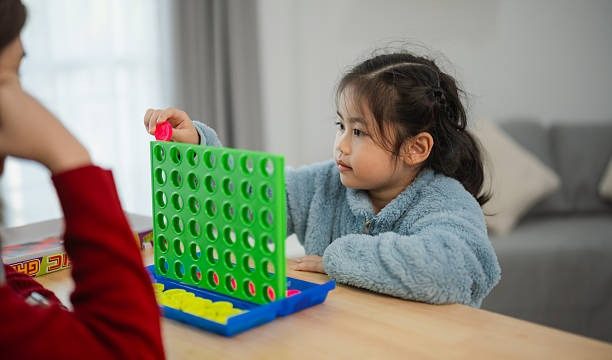
Fostering Collaboration Across Diverse Learners
In our ever-evolving world, the beauty of diversity is a tapestry woven from various threads of culture, experience, and perspective.
In educational settings, the richness that diverse learners bring to the table not only enhances the learning experience but also fosters a sense of community and understanding.
Embracing this diversity can create a collaborative environment where students not only thrive academically but also grow personally.
Understanding the unique backgrounds and experiences of each learner is the first step toward creating an inclusive atmosphere. Every student comes with a story—some have traveled from far-off lands, while others may be navigating their own personal challenges. When educators take the time to learn about these stories, they can better appreciate the strengths and talents that each student possesses. This understanding lays the groundwork for collaboration, as students begin to see each other not just as classmates but as individuals with valuable contributions to make.
Creating a welcoming environment is essential in fostering collaboration. This starts with simple gestures, such as arranging the classroom in a way that encourages interaction. Circle seating can promote dialogue, while small group setups allow for easier communication. When students feel comfortable in their surroundings, they are more likely to engage with one another. It’s about cultivating a space where every voice is heard and valued, regardless of background or ability.
A small shift toward balance can significantly enhance collaboration. Instead of traditional teaching methods that often place the teacher at the center, consider adopting a more student-centered approach. This can involve group projects, peer teaching, or even collaborative problem-solving tasks. When students work together, they learn to appreciate different viewpoints and develop essential social skills. It’s in these moments of shared effort that friendships blossom, and understanding deepens.
Encouraging open communication is vital to this process. Creating opportunities for students to express their thoughts and feelings can lead to richer discussions and deeper connections. This can be as simple as dedicating time for students to share their perspectives on a topic or facilitating discussions about their experiences. When students feel safe to share, they often find common ground with their peers, paving the way for collaborative learning.
As students engage in group work, it’s important to recognize and celebrate individual strengths. Each learner brings unique skills to the table, and acknowledging these can boost confidence and motivation. This doesn’t just enhance the collaborative experience; it also fosters a sense of belonging. When students see that their contributions matter, they are more likely to invest themselves fully in the group dynamic.
Incorporating diverse materials and perspectives into the curriculum can further enrich collaboration. Exposure to a variety of viewpoints and cultural narratives encourages students to think critically and empathetically. This can be achieved through literature, art, history, or even current events that reflect the diversity of the world they live in. When students can connect their learning to real-world issues and diverse experiences, they are more engaged and motivated to collaborate with one another.
Building a culture of respect and inclusion is key to successful collaboration. This involves teaching students about empathy and the value of listening to others. Activities that promote teamwork and understanding can help instill these values. For example, role-playing exercises can allow students to step into someone else’s shoes, fostering a deeper understanding of different perspectives. When students learn to appreciate each other’s experiences, they are more likely to collaborate effectively.
The role of educators in this process cannot be overstated. Teachers serve as facilitators, guiding students toward collaboration while also modeling inclusive behavior. By demonstrating respect for all students and encouraging them to do the same, educators can help create a nurturing environment. Professional development opportunities focused on diversity and inclusion can equip teachers with the tools they need to support diverse learners effectively.
Encouraging family and community involvement can also enhance collaboration among diverse learners. When families are engaged in their children’s education, they can provide valuable insights into their cultural backgrounds and experiences. Schools can host events that celebrate this diversity, inviting families to share their traditions and stories. This not only strengthens the school community but also reinforces the idea that collaboration extends beyond the classroom.
As we continue to embrace diversity in learning environments, it’s essential to remember that collaboration is a journey rather than a destination. It requires ongoing effort, reflection, and a willingness to adapt. By fostering a culture of openness, respect, and appreciation for each individual’s contributions, we can create spaces where all learners feel valued and empowered.
In conclusion, fostering collaboration across diverse learners enriches not only the educational experience but also the lives of students. It helps build a community where empathy, understanding, and respect thrive. As we navigate this journey together, let us celebrate the unique stories that each learner brings and work toward a future where collaboration knows no boundaries. By embracing our differences and learning from one another, we can create a brighter, more inclusive world for all.