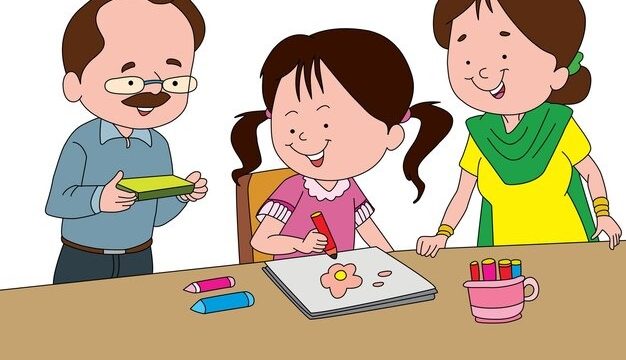
In the heart of every classroom lies the potential for collaboration, a powerful approach that encourages students to engage, connect, and thrive.
When students learn to work together, they not only absorb knowledge but also build essential life skills that serve them far beyond their academic years.
Cultivating a collaborative environment can be a game-changer, transforming traditional learning into a lively, inclusive experience where every voice matters.
Creating a sense of community is often the first step toward fostering collaboration. When students feel they belong, they are more likely to participate actively in group activities. Teachers can nurture this sense of community by encouraging students to share their interests and backgrounds. Simple icebreaker activities can help students learn about one another, breaking down barriers and establishing trust. This foundation of trust is essential for open communication and mutual respect, which are vital components of effective collaboration.
Another key aspect of motivating students to collaborate is the incorporation of diverse learning styles. Each student brings a unique perspective and set of skills to the table, and recognizing these differences can enhance group dynamics. By allowing students to express their ideas in various formats—be it through art, writing, or discussion—teachers can create an inclusive atmosphere that values all contributions. This not only fosters creativity but also empowers students to take ownership of their learning journey.
A gentle shift toward project-based learning can further enhance collaborative efforts in the classroom. When students work on projects that interest them, they are more likely to be engaged and motivated. By allowing students to choose their projects or topics, teachers can tap into their passions, making the learning experience feel more relevant and exciting. Working in groups encourages students to brainstorm, share responsibilities, and support each other, creating a sense of shared purpose. This shared experience can deepen their understanding and create lasting bonds among peers.
Incorporating technology into collaborative projects can also invigorate student engagement. Digital tools can facilitate communication and organization, making it easier for students to collaborate, even outside of the classroom. Platforms that allow for shared documents, brainstorming boards, or even video calls can bridge gaps and keep the momentum going. By integrating technology into their collaborative work, students learn to navigate modern tools that are increasingly important in today’s interconnected world.
A nurturing environment also encourages reflection, which is a crucial part of the collaborative process. After completing a project or group activity, taking time to discuss what went well and what could be improved helps students develop critical thinking skills. Reflective conversations can illuminate the importance of teamwork, communication, and problem-solving. This practice not only solidifies the learning experience but also encourages students to value constructive feedback, fostering a growth mindset.
Emphasizing the importance of empathy in collaborative settings can further enhance the experience for students. Teaching students to listen actively and consider their peers’ feelings and perspectives fosters a respectful atmosphere. When students learn to empathize with one another, they are more likely to support each other’s ideas and work together harmoniously. This emotional intelligence is a vital skill that transcends the classroom, preparing students for collaborative efforts in their future careers and personal lives.
Additionally, recognizing and celebrating collaborative efforts can serve as a powerful motivator. When students see their hard work acknowledged, it reinforces the value of teamwork. Simple gestures, such as displaying group projects in the classroom or giving shout-outs during class meetings, can boost morale and encourage students to continue collaborating. Celebrations of success, no matter how small, create a positive feedback loop that inspires students to work together and strive for excellence.
Encouraging peer mentorship within collaborative groups can also enhance motivation. When students take on different roles within a group, they can learn from one another and build confidence in their abilities. A student who excels in research might guide a peer who is strong in presentation skills, fostering an environment of mutual support. This approach not only enhances learning but also builds relationships, as students learn to appreciate each other’s strengths and contributions.
As we reflect on the importance of collaboration, it’s clear that the journey is just as important as the destination. The process of working together cultivates essential life skills that students will carry with them long after they leave the classroom. By promoting collaboration, educators are not only enhancing academic performance but also nurturing compassionate, cooperative individuals ready to contribute positively to their communities.
In conclusion, collaboration in the classroom is more than just a teaching strategy; it’s a way to enrich the educational experience for students. By fostering a sense of community, embracing diverse learning styles, and utilizing technology, educators can create an environment where collaboration thrives. With an emphasis on empathy, reflection, and recognition, students are encouraged to connect, communicate, and grow together. In this nurturing atmosphere, the seeds of motivation are sown, leading to a blossoming of creativity, understanding, and lifelong learning.