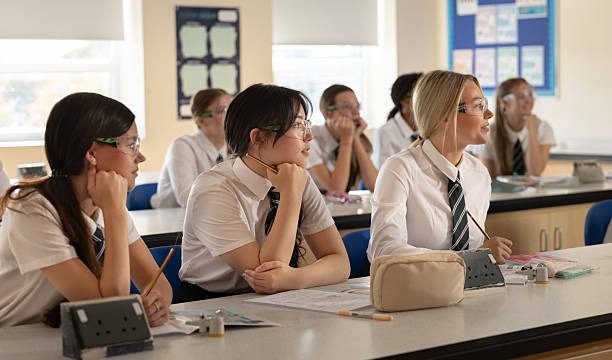
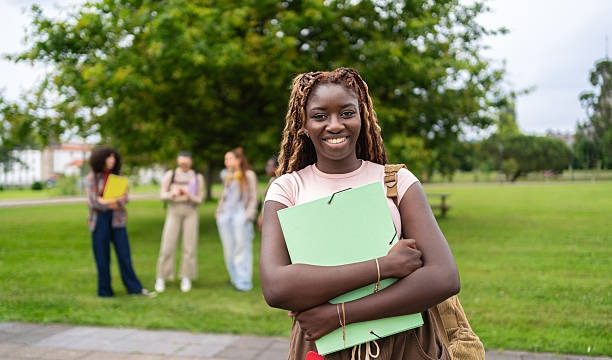
In today’s diverse classrooms, the tapestry of student backgrounds, learning styles, and individual needs has never been richer.
As educators, recognizing and embracing this diversity is essential for creating an inclusive environment where every student can thrive.
Teaching styles that cater to varied needs not only enhance learning but also foster a sense of belonging and engagement among students.
A gentle approach to differentiation
At the heart of effective teaching lies the understanding that no two students learn the same way. Some students may excel in visual learning, absorbing information through images and diagrams. Others might find their strengths in auditory learning, thriving when they hear discussions and explanations. A gentle shift towards differentiation in teaching styles allows educators to cater to these varied preferences.
Incorporating a mix of instructional strategies can make a significant difference. For instance, a lesson that combines storytelling with visual aids can engage both auditory and visual learners simultaneously. This approach not only captures attention but also reinforces concepts through multiple avenues of understanding. By weaving together different modalities, educators can create a rich learning experience that resonates with each student.
Creating a nurturing environment
Establishing a nurturing environment is paramount for students with diverse needs. When students feel safe, supported, and valued, they are more likely to take risks in their learning. This can be achieved through simple yet impactful practices. For example, fostering open communication and encouraging students to express their thoughts and feelings can create a sense of community.
Additionally, incorporating social-emotional learning into the curriculum can help students develop skills to manage their emotions and build resilience. Activities that promote teamwork, empathy, and self-awareness can transform the classroom into a space where every student feels seen and heard. When students are empowered in this way, they are better equipped to engage with the academic material.
The power of collaborative learning
Collaboration can be a powerful tool in supporting diverse learning needs. By encouraging students to work together, educators can create an environment where peer learning flourishes. Collaboration allows students to share their unique perspectives and strengths, enriching the overall learning experience.
Group projects, discussions, and peer tutoring can help students learn from one another in ways that traditional teaching methods may not achieve. For instance, a student who struggles with a particular concept might find clarity when a peer explains it in a relatable manner. This not only reinforces the learning for the student offering help but also builds confidence in both individuals.
Integrating technology thoughtfully
In our increasingly digital world, technology can play a significant role in supporting diverse learners. Tools such as educational apps, interactive software, and online resources can cater to various learning styles while providing personalized learning experiences.
For instance, visual learners might benefit from educational videos or interactive simulations, while kinesthetic learners can engage with hands-on activities through virtual platforms. Thoughtful integration of technology can also allow for self-paced learning, giving students the freedom to explore concepts at their own speed. By leveraging these tools, educators can create a flexible learning environment that adapts to individual needs.
Encouraging a growth mindset
Fostering a growth mindset in the classroom can have a profound impact on students with diverse needs. When students believe that their abilities can improve through effort and perseverance, they are more likely to embrace challenges and view setbacks as opportunities for growth.
Educators can cultivate this mindset by praising effort rather than innate ability, encouraging students to take risks, and celebrating small victories. Creating a culture where mistakes are seen as a natural part of the learning process can empower students to push beyond their comfort zones. This shift not only enhances academic performance but also promotes resilience and adaptability—qualities that are invaluable in today’s world.
Tailoring feedback to individual needs
Feedback is a crucial component of the learning process, yet its effectiveness can vary greatly depending on how it is delivered. For students with diverse needs, tailored feedback can make a significant difference in their learning journey.
Rather than providing generic comments, educators can take the time to offer specific, constructive feedback that acknowledges individual strengths and areas for improvement. By focusing on the process of learning rather than just the outcome, educators can guide students in understanding their growth and encourage them to take ownership of their learning.
Practicing patience and understanding
Every student comes with their own set of challenges and strengths. Practicing patience and understanding is key to supporting them effectively. Educators who approach their students with compassion and empathy create an atmosphere where students feel comfortable expressing their needs and asking for help.
It’s important to recognize that progress may look different for each student. Some may grasp concepts quickly, while others may need more time and support. By maintaining an open dialogue and being responsive to individual needs, educators can foster meaningful connections that enhance the learning experience for everyone.
Celebrating diversity in the classroom
Ultimately, celebrating diversity in the classroom is about recognizing the unique contributions each student brings to the table. An inclusive approach to teaching encourages students to share their own experiences, cultures, and perspectives, enriching the learning environment for all.
Integrating multicultural perspectives into the curriculum can help students develop a broader understanding of the world around them. This not only promotes respect and appreciation for differences but also prepares students to thrive in a diverse society.
In conclusion, teaching styles that support students with diverse needs are not just beneficial; they are essential for creating an inclusive classroom environment. By embracing differentiation, fostering collaboration, integrating technology, and cultivating a growth mindset, educators can empower every student to reach their full potential. With patience, understanding, and a commitment to celebrating diversity, we can create a learning journey that is not only enriching but also deeply rewarding for everyone involved.