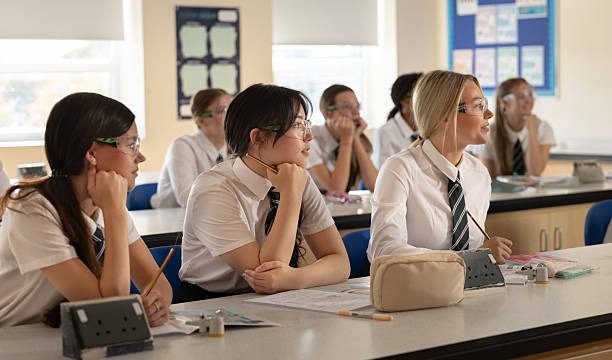
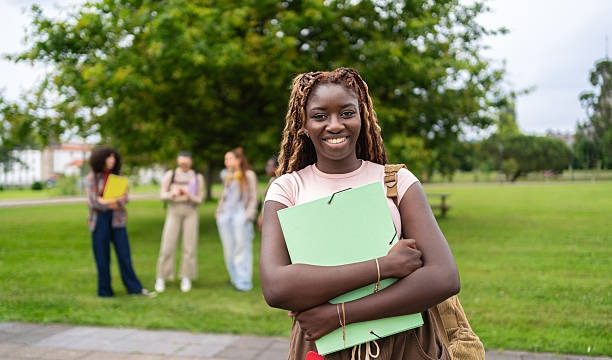
In today’s busy world, education often feels like a solitary journey, with students diving deep into their studies, isolated in their thoughts and efforts.
However, the reality is that learning can be a beautiful, collaborative experience.
By encouraging students to work together, we can help them not only grasp complex concepts but also build lasting friendships and develop essential life skills. The power of collaboration in education is profound and transformative.
A gentle shift in perspective can open up new opportunities for students. When they come together to share ideas, solve problems, and explore new subjects, they cultivate a sense of community. This sense of belonging can be particularly beneficial, especially for those who may feel overwhelmed by the pressures of academic life. In a collaborative environment, students can find comfort in knowing they are not alone in their struggles. They can lean on each other for support, encouragement, and motivation.
One of the most rewarding aspects of working together is the diversity of thought that emerges. Each student brings a unique perspective shaped by their experiences and backgrounds. When they engage in group discussions or projects, they can challenge one another’s viewpoints and spark meaningful conversations. This exchange of ideas can lead to deeper understanding and foster critical thinking skills. Students learn to appreciate different perspectives, which can be a valuable lesson both inside and outside the classroom.
Creating opportunities for collaboration can happen in various ways. Group projects, study sessions, and peer teaching are just a few methods that can enhance learning experiences. In a group project, for instance, students can divide tasks based on their strengths and interests. This division not only makes the workload more manageable but also allows each member to shine in their own way. When they come together to present their findings, they can take pride in their collective effort and celebrate their achievements as a team.
Peer teaching is another effective strategy. When students take on the role of the teacher, they reinforce their own understanding of the material while helping their classmates learn. Explaining concepts to others requires a deeper level of comprehension, and this process can solidify knowledge in a way that solitary study often cannot. Additionally, peer teaching nurtures communication skills and builds confidence, both of which are essential for success in any endeavor.
Creating a supportive environment where students feel comfortable collaborating is crucial. Educators can foster this atmosphere by encouraging open dialogue and respect for differing opinions. When students feel safe to express their thoughts and ask questions, they are more likely to engage with their peers and contribute to discussions. Simple gestures, such as group icebreakers or team-building activities, can lay the foundation for strong relationships that enhance collaborative learning.
As students engage in group work, they also develop essential social skills. Teamwork teaches them how to negotiate, compromise, and resolve conflicts—skills that are invaluable in both academic and professional settings. These interactions help students learn to navigate relationships with empathy and understanding. They begin to recognize the importance of listening and valuing others’ contributions, which can lead to stronger friendships and a more harmonious classroom environment.
In addition to social skills, collaboration fosters accountability. When students work together, they become invested in each other’s success. They learn that their actions impact not only their own performance but also that of their peers. This sense of responsibility can motivate them to put forth their best effort, knowing that their teammates depend on them. It cultivates a shared commitment to learning and excellence, which can drive everyone to achieve their goals.
A collaborative learning environment also encourages creativity. When students bounce ideas off one another, they can build on each other’s thoughts and come up with innovative solutions to problems. This brainstorming process can lead to a richer understanding of the subject matter and inspire students to think outside the box. They may discover new interests or passions that they hadn’t considered before, all thanks to the diverse array of ideas shared within the group.
As we consider the benefits of collaboration in education, it’s essential to recognize that it extends beyond academics. The friendships formed during collaborative activities can last a lifetime. Students often find their closest friends among those they’ve worked with closely, creating a support network that can help them navigate the challenges of school and beyond. These relationships foster a sense of belonging and community, which is vital for emotional well-being.
In our increasingly interconnected world, the ability to collaborate effectively is a skill that will serve students well in their future careers. Employers often seek individuals who can work well in teams, communicate effectively, and adapt to different perspectives. By cultivating these skills through collaborative learning, we are preparing students not only for academic success but also for a fulfilling and productive life.
As we reflect on the importance of collaboration in education, let us remember to nurture this spirit in our classrooms and communities. Encouraging students to learn together can lead to a more enriching and enjoyable educational experience. It creates a sense of unity and shared purpose, reminding us all that learning is not just about individual achievement but also about coming together to grow and thrive.
In conclusion, helping students learn by working together is a powerful approach that can transform their educational experience. By fostering collaboration, we can create a supportive environment where students feel connected, engaged, and empowered. As we embrace the beauty of learning as a shared journey, we can inspire the next generation to not only achieve academic excellence but also to build meaningful relationships and develop essential life skills that will guide them throughout their lives. In this way, we can create a brighter future for all.