Learning is a journey that can profoundly shape our lives, influencing not just our knowledge but also our confidence.
As we navigate through various learning experiences, we often find ourselves at crossroads where our self-belief is put to the test.
The good news is that there are several approaches we can embrace to build that confidence, helping us to not only learn more effectively but also to feel more secure in our abilities.
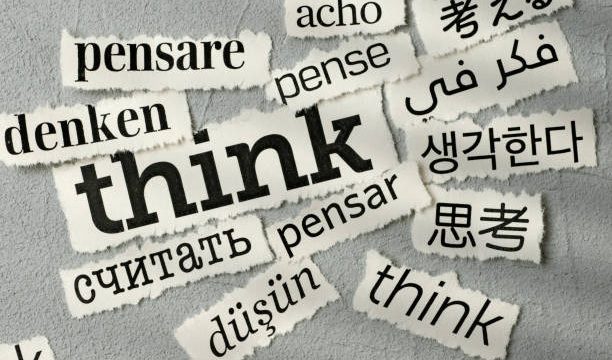
A gentle shift toward self-compassion can make a world of difference. When we approach learning with kindness towards ourselves, we create an environment where mistakes are seen as stepping stones rather than setbacks. This mindset allows us to take risks in our learning journeys, knowing that it’s okay to stumble along the way. For instance, consider the process of learning a new language. It’s natural to mispronounce words or struggle with grammar. Instead of feeling embarrassed, embracing these moments as part of the learning process can boost our confidence and encourage us to keep practicing.
Engaging with others can also enhance our learning experiences and build our self-assurance. Whether it’s joining a study group, participating in workshops, or simply discussing ideas with friends, collaboration can provide us with valuable insights and support. Sharing our thoughts and challenges with others often reveals that we are not alone in our struggles. This sense of community can be incredibly reassuring and can inspire us to push through difficulties together. When we see others facing similar challenges, it becomes easier to accept our own imperfections, fostering a more confident approach to learning.
Another effective approach is to set small, achievable goals. Breaking down larger tasks into manageable steps can provide a sense of accomplishment along the way. Each small victory contributes to building our confidence, reinforcing the belief that we are capable of achieving what we set out to do. For example, if you’re learning to play an instrument, focus on mastering a short piece before tackling a longer, more complex composition. Celebrating these small milestones can create a positive feedback loop, encouraging you to take on new challenges with a sense of assurance.
Cultivating a growth mindset is essential in this journey. This concept revolves around the belief that our abilities can improve with effort and practice. When we adopt a growth mindset, we begin to view challenges as opportunities for growth rather than insurmountable obstacles. This perspective shift can empower us to embrace learning experiences with enthusiasm. For instance, if a project doesn’t go as planned, instead of feeling defeated, we can ask ourselves what we learned from the experience and how we can improve next time. This reflective practice not only enhances our skills but also fortifies our confidence.
Incorporating mindfulness into our learning routines can also be beneficial. Taking a moment to pause, breathe, and center ourselves can help alleviate anxiety and promote clarity of thought. When we approach learning with a calm mind, we are more likely to absorb information and engage more deeply with the material. Mindfulness encourages a non-judgmental awareness of our thoughts and feelings, allowing us to understand our emotional responses to learning challenges. This understanding can lead to greater self-acceptance, which in turn nurtures our confidence.
Finding inspiration in mentors or role models can also be a powerful tool for building confidence. Observing how others have navigated their own learning paths can provide valuable insights and motivation. Whether through books, podcasts, or personal interactions, learning about the journeys of those we admire can reassure us that setbacks are a natural part of growth. Their stories often highlight resilience and perseverance, reminding us that confidence is not a static trait but something we can cultivate over time.
It’s also important to celebrate our unique learning styles. Each of us has our own way of absorbing information, whether it’s through visual aids, hands-on experiences, or auditory lessons. Recognizing and embracing our individual preferences can lead to a more fulfilling learning experience. When we honor our learning styles, we are likely to feel more comfortable and confident in our abilities. This self-awareness can guide us toward strategies and resources that resonate with us, reinforcing our belief in our capacity to learn and grow.
As we embark on our learning journeys, it’s essential to remember that confidence is not about being perfect; it’s about being willing to try. Embracing challenges, seeking support, and nurturing a positive mindset can all contribute to a more confident approach to learning. Each step we take, no matter how small, is a testament to our commitment to personal growth.
In the end, the path to building confidence through learning is a deeply personal one. It requires patience, self-compassion, and a willingness to embrace the journey, with all its ups and downs. By adopting these approaches, we can not only enhance our knowledge but also cultivate a profound sense of belief in ourselves. As we continue to learn and grow, let’s carry with us the understanding that confidence is a journey, not a destination, and every effort we make brings us closer to becoming the best versions of ourselves.