Education That Strengthens Communities
In a world that seems increasingly divided, the role of education as a unifying force cannot be overstated.
Education is often viewed through the lens of individual achievement, but its true power lies in its ability to strengthen communities.
When we think about education, we usually envision classrooms filled with students, teachers imparting knowledge, and the gradual accumulation of degrees and certificates. However, the impact of education extends far beyond the walls of a school. It can serve as a catalyst for social change, fostering connections and empowering individuals to contribute positively to their neighborhoods.
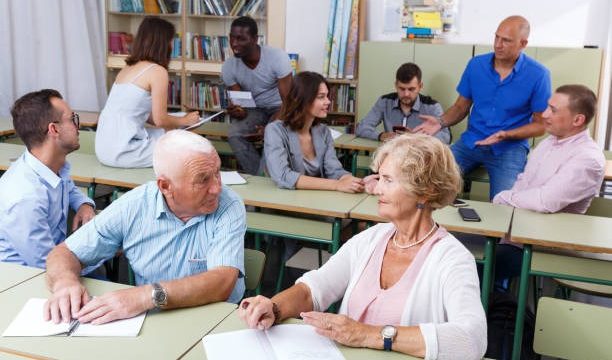
One of the most heartwarming aspects of education is its potential to create a sense of belonging. When individuals engage in learning together, whether through formal schooling or community-based programs, they form bonds that can transcend cultural and social divides. These connections can lead to increased collaboration and a shared sense of purpose. Imagine a community center where adults gather for literacy classes while children participate in after-school programs. In this environment, friendships blossom, and a network of support emerges, reinforcing the fabric of the community.
A gentle shift toward inclusivity can be seen in many educational initiatives today. Programs that emphasize diversity and cultural competency are becoming more prevalent. These initiatives not only teach academic skills but also foster understanding and respect for different backgrounds. When students learn about each other’s cultures and experiences, they develop empathy, which is essential for building strong, cohesive communities. By celebrating differences and promoting acceptance, education can serve as a bridge that connects people rather than a barrier that keeps them apart.
The role of mentorship in education cannot be overlooked. Mentorship programs, where experienced individuals guide and support those who are learning, have shown remarkable effectiveness in strengthening communities. When a mentor shares their knowledge and experiences, they not only provide valuable insights but also inspire mentees to aim higher. This dynamic creates a ripple effect: as mentees succeed, they often become mentors themselves, passing on the torch of knowledge and support. This cycle of giving back fosters a culture of collaboration, where everyone plays a role in uplifting one another.
Another beautiful aspect of education that strengthens communities is its ability to empower individuals. Education equips people with the tools they need to realize their potential and pursue their dreams. Whether it’s through vocational training, adult education, or lifelong learning opportunities, education opens doors that may have seemed closed. When individuals feel empowered, they are more likely to engage in their communities, whether through volunteering, advocating for local issues, or simply being active participants in community life. This engagement leads to a vibrant, thriving community where everyone contributes to the collective well-being.
Furthermore, education can act as a vehicle for addressing social issues. Many educational programs are designed to tackle specific challenges within communities, such as poverty, health disparities, or environmental concerns. By educating individuals about these issues and providing them with the skills to address them, communities can work together to create meaningful change. For example, programs that teach financial literacy empower individuals to make informed decisions about their finances, ultimately leading to stronger economic stability in the community. When education is directed toward solving real-world problems, it fosters a sense of agency among community members.
The beauty of education lies in its adaptability. Community-led initiatives often take on unique forms, reflecting the specific needs and values of the people they serve. From workshops on sustainable gardening to art classes that celebrate local history, these programs can be tailored to the interests of the community, ensuring that everyone feels included. When education is relevant and relatable, individuals are more likely to engage and invest in their learning. This personalized approach not only enhances individual growth but also strengthens the community as a whole.
It’s also important to recognize the role of technology in modern education. Online learning platforms and digital resources have made education more accessible than ever. In communities where traditional educational resources may be limited, technology can provide a lifeline. Virtual classrooms and online courses can reach individuals who may not have the opportunity to attend in-person classes. This accessibility allows for a more diverse range of voices and experiences within the educational landscape, further enriching the community.
Creating a culture of lifelong learning is another vital aspect of education that strengthens communities. When learning is viewed as a continuous journey rather than a destination, individuals are encouraged to seek knowledge throughout their lives. This mindset not only benefits the individual but also enhances the community. A community that values education and encourages its members to pursue knowledge fosters an environment of curiosity and innovation. This spirit of learning can lead to creative solutions for local challenges and inspire future generations to prioritize education.
As we reflect on the ways education strengthens communities, it’s essential to acknowledge the role of collaboration among various stakeholders. Schools, local governments, non-profit organizations, and community members can work together to create an ecosystem of support for education. By pooling resources and expertise, these groups can develop initiatives that address the unique needs of the community. When everyone comes to the table, the possibilities for positive change are endless.
In conclusion, education is a powerful tool that can transform not only individuals but entire communities. By fostering connections, promoting inclusivity, and empowering individuals, education serves as a foundation for a thriving, harmonious society. As we navigate the complexities of our modern world, let us remember the profound impact that education can have on strengthening our communities. Together, we can create a future where everyone has the opportunity to learn, grow, and contribute to the greater good.