Helping Children Build Friendships at School
Navigating friendships in the school environment can sometimes feel like walking a tightrope for children.
As they step into classrooms filled with peers, the opportunities to form bonds are abundant, yet the challenges can be equally daunting.
Helping children build meaningful friendships at school is essential not only for their social development but also for their overall well-being. With a little guidance and support, parents can empower their children to foster connections that last a lifetime.
The early years of schooling are formative, filled with moments of excitement and uncertainty. Children are learning not only academics but also the nuances of social interaction. It’s during these formative years that kids begin to understand the importance of friendship. Encouraging children to reach out to their peers can sometimes feel overwhelming, but knowing how to approach these interactions can make a significant difference.
Creating a safe space for expression is vital. Children need to feel comfortable discussing their feelings about friendships. Parents can initiate conversations by asking open-ended questions about their day, encouraging kids to share their experiences. Listening intently and validating their feelings can help children articulate their thoughts about friendships. When children know they have a safe space to express themselves, they are more likely to seek guidance when challenges arise.
One of the most effective ways to help children form friendships is to encourage them to engage in activities they genuinely enjoy. Whether it’s joining a sports team, participating in a school club, or taking part in art classes, these environments provide natural opportunities for children to meet others with similar interests. When kids share a passion, the foundation for friendship becomes much easier to build. It’s essential to encourage them to explore various activities until they find what resonates with them.
Modeling positive social behavior is another subtle yet powerful way parents can aid their children in forming friendships. Children often learn by observing those around them. By demonstrating kindness, empathy, and effective communication in their own interactions, parents can show their children how to navigate friendships. Sharing stories about their own friendships, including challenges and resolutions, can provide relatable examples for children, making the concept of friendship less intimidating.
As children begin to form connections, it’s important to teach them the value of empathy. Understanding and acknowledging the feelings of others is an integral part of building strong friendships. Encouraging children to consider how their words and actions affect their peers can foster a sense of compassion. Simple discussions about kindness and how to be a good friend can go a long way. When children learn to look beyond themselves, they open the door to deeper, more meaningful friendships.
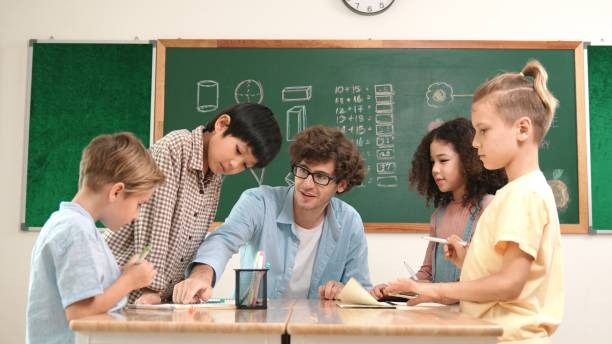
Encouraging teamwork can also be a great way to help children build relationships. Group projects or collaborative activities in the classroom can teach kids how to work together towards a common goal. These experiences often lead to camaraderie and shared success, which can strengthen bonds between classmates. Parents can facilitate this by discussing the importance of cooperation and how it feels to be part of a team, reinforcing the idea that friendships can blossom through shared experiences.
Navigating conflicts is a natural part of any friendship. Teaching children how to handle disagreements and misunderstandings is crucial. Parents can role-play different scenarios, providing children with tools to express their feelings and resolve conflicts peacefully. Encouraging open dialogue about disagreements helps children understand that conflicts are a normal part of relationships and can be resolved through communication and compromise.
As children grow, their social circles will evolve, and friendships may shift. It’s essential to teach kids that not all friendships are meant to last forever. Helping children understand that it’s okay to drift apart from friends as they change and grow can ease feelings of rejection or sadness. Encouraging them to keep an open mind about meeting new people and forming new connections can help them feel more secure as they navigate the ever-changing landscape of friendships.
In today’s digital age, technology plays a significant role in how children interact. While online friendships can be valuable, it’s essential to maintain a balance between virtual and face-to-face interactions. Parents can encourage their children to use technology responsibly, reminding them that real-life connections are just as important, if not more so. Encouraging playdates or group outings can help bridge the gap between online friendships and in-person connections.
A small shift toward balance can have a profound impact on how children perceive their social lives. Encouraging them to take breaks from screens and engage in outdoor activities or creative play can foster a sense of community and belonging. Simple acts, such as inviting friends over for a game night or a picnic in the park, can create lasting memories and strengthen friendships.
Lastly, it’s essential to celebrate the friendships that flourish. Acknowledging and appreciating the bonds children form can reinforce their importance. Parents can encourage their kids to express gratitude towards their friends, whether it’s through small gestures or kind words. Celebrating these connections not only boosts children’s self-esteem but also instills a sense of belonging.
In conclusion, helping children build friendships at school is a multifaceted journey that requires patience, understanding, and support. By creating an environment where children feel safe to express themselves, encouraging their passions, modeling positive behavior, and teaching the value of empathy, parents can equip their children with the tools they need to form lasting connections. As they navigate the intricacies of friendship, children will learn that these relationships are not just about companionship but also about growth, understanding, and joy. With love and guidance, parents can help their children cultivate friendships that enrich their lives and contribute to their happiness as they journey through school and beyond.