In our fast-paced world, where information floods our daily lives, finding ways to make learning stick can feel like a daunting task.
However, one of the most effective methods to enhance understanding and retention is through project-based learning.
When we engage in hands-on projects, we don’t just absorb information; we interact with it, apply it, and ultimately transform it into something meaningful. This approach not only fosters deeper comprehension but also makes the learning experience enjoyable and memorable.
Embracing creativity in projects can be a delightful way to ignite passion for learning. When we allow ourselves to explore subjects through creative avenues, we often discover new interests and talents. For instance, if a student is learning about ecosystems, they might choose to create a miniature model of a rainforest or design a digital presentation showcasing various habitats. This hands-on involvement encourages exploration beyond textbooks and nurtures curiosity, making the entire learning process feel more organic and personal.
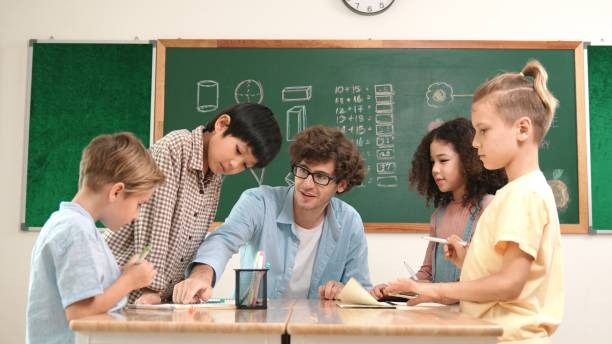
Another gentle way to enhance learning through projects is by incorporating collaborative elements. Working with peers can transform individual tasks into shared experiences filled with discussion and brainstorming. Imagine a group of students tasked with researching renewable energy sources. As they collaborate, they not only share knowledge but also learn from each other’s perspectives and ideas. This social interaction fosters a sense of community and support, making the learning journey feel less solitary and more enriching.
Connecting learning to real-world applications is also a powerful method to create memorable experiences. When students can see the relevance of what they are studying, their motivation often soars. For example, a project centered around local history might involve students interviewing community members or visiting historical sites. By engaging with their environment and understanding how it shapes their community, learners gain a richer appreciation for the subject matter. This connection to reality makes the information more tangible and, consequently, easier to remember.
As we explore different ways to make learning memorable, it’s essential to consider the role of reflection. After completing a project, taking time to reflect on the experience can deepen understanding and reinforce what has been learned. This could involve writing a brief summary, discussing the project with others, or even creating a presentation to share insights. Reflection encourages students to think critically about their experiences, fostering a deeper connection to the material and enhancing retention.
Another gentle shift toward balance in learning involves integrating technology into projects. In today’s digital age, utilizing tools such as video editing software, online research databases, and interactive presentation platforms can elevate a project from ordinary to extraordinary. For example, students creating a documentary about a social issue can use video editing apps to bring their vision to life. Incorporating technology not only makes projects more engaging but also equips learners with valuable skills that are increasingly relevant in our modern world.
Encouraging students to take ownership of their learning can also lead to more memorable experiences. When individuals have the freedom to choose their project topics, they often become more invested in the outcome. This autonomy empowers learners to explore areas that resonate with them personally. For instance, a student passionate about art may choose to create a visual representation of a scientific concept, allowing them to merge their interests and showcase their unique perspective. This sense of ownership fosters pride in their work and enhances the overall learning experience.
Creating a supportive environment for experimentation is another vital aspect of making learning memorable. Projects often involve a trial-and-error process, allowing learners to explore different approaches and solutions. Encouraging a mindset that views mistakes as opportunities for growth can help students feel more comfortable taking risks and trying new things. When learners are supported in this way, they are more likely to engage fully in their projects and develop a resilient attitude toward challenges.
Finally, sharing project outcomes with a broader audience can amplify the impact of the learning experience. Whether it’s presenting to classmates, showcasing work at a community event, or even sharing findings on social media, the act of sharing can deepen the connection to the material. It invites feedback, encourages dialogue, and celebrates achievement. This communal aspect not only enhances the individual’s learning journey but also inspires others to engage in similar explorations.
In conclusion, making learning memorable through projects is a multifaceted approach that combines creativity, collaboration, real-world connections, reflection, technology, ownership, experimentation, and sharing. By embracing these elements, we can create an environment where learning flourishes and resonates deeply. Projects not only enrich our understanding of various subjects but also foster a lifelong love for learning. So, whether you are a teacher, parent, or lifelong learner, consider incorporating these gentle strategies into your educational endeavors. The journey of learning can be a beautiful adventure, and with the right approach, it can leave a lasting impression on the heart and mind.