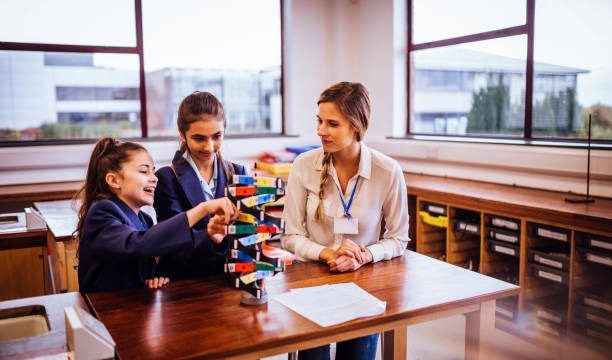
In a world that often emphasizes achievement and competition, the importance of play in childhood development is sometimes overlooked.
Yet, play is not just a way for children to pass the time; it is a vital component of their growth and learning.
Through play-based learning, young minds are nurtured in ways that foster creativity, critical thinking, and social skills. As parents, caregivers, and educators, understanding the significance of this approach can transform how we support our children’s development.
The essence of play-based learning lies in its natural integration of fun and education. When children engage in playful activities, they are not merely having fun; they are exploring their environment, experimenting with new ideas, and building foundational skills. Whether it’s through imaginative role-playing, constructing with blocks, or engaging in outdoor games, each form of play offers unique learning opportunities.
A gentle approach to learning
One of the most compelling aspects of play-based learning is its ability to create a relaxed and enjoyable atmosphere. In this setting, children feel free to express themselves without the fear of making mistakes. This freedom encourages them to take risks, ask questions, and seek out solutions. For instance, when a child builds a tower with blocks, they not only practice fine motor skills but also learn about balance, gravity, and spatial awareness. If the tower topples, rather than viewing it as a failure, they see it as an opportunity to try again, fostering resilience and problem-solving abilities.
Moreover, play-based learning nurtures emotional intelligence. Children often mimic real-life scenarios during play, which helps them understand their own feelings and those of others. When they engage in role-playing, they practice empathy, negotiation, and cooperation. These social skills are essential not just in childhood, but throughout life. By allowing children to navigate their emotions and interactions through play, we are helping them develop the tools they need for healthy relationships in the future.
Creating a supportive environment
To foster an environment conducive to play-based learning, it’s important to provide children with diverse, open-ended materials. Items like building blocks, art supplies, and natural elements can ignite their imaginations and encourage exploration. It’s not about structured lessons but rather about allowing children to lead their own learning experiences. The role of an adult in this context is to observe, engage, and support, stepping in when guidance is needed without overshadowing the child’s initiative.
As children play, they often gravitate toward activities that interest them. By being attentive and responsive to these interests, adults can introduce new concepts or vocabulary organically. For example, if a child is engrossed in a pretend kitchen, a caregiver can introduce words related to cooking, nutrition, or even cultural dishes. This seamless integration of learning into play enhances retention and understanding, making the experience both enjoyable and educational.
A small shift toward balance
In today’s fast-paced world, there can be a tendency to prioritize structured education over play. However, research consistently shows that play is essential for holistic child development. It’s crucial to find a balance between guided activities and unstructured playtime. While educational programs and academic skills are important, the benefits of play should never be underestimated.
Incorporating more play into daily routines can be as simple as allowing extra time for outdoor exploration, encouraging imaginative play at home, or even choosing games that involve teamwork and strategy. Parents can also create playdates that foster social interaction, providing children with the chance to learn from their peers in a relaxed setting.
The benefits of play-based learning extend beyond childhood. Children who engage in play-based learning are often more adaptable, creative, and capable of thinking critically. These skills are invaluable in our ever-changing world, where innovation and collaboration are key to success. By prioritizing play, we are not just nurturing young minds; we are preparing them for a future filled with possibilities.
Encouraging lifelong learning
As children grow, the lessons learned through play can lay the groundwork for a lifelong love of learning. When children associate learning with enjoyment and exploration, they are more likely to seek out new experiences and knowledge as they age. This intrinsic motivation is a powerful driver for personal and academic success.
In supporting play-based learning, we are also encouraging children to be curious and adventurous. They learn to ask questions, seek answers, and explore the world around them. This spirit of inquiry is essential, as it leads to a deeper understanding of complex concepts and fosters a desire to engage with diverse topics.
In conclusion, nurturing young minds through play-based learning is a gentle yet powerful approach to early education. By embracing the natural curiosity and creativity of children, we can help them develop essential skills that will serve them throughout their lives. As parents, caregivers, and educators, let us commit to creating environments that celebrate play, allowing children to thrive in their unique ways. In doing so, we not only enrich their childhood but also pave the way for a brighter, more innovative future.