The Role of Teachers in Early Childhood Success
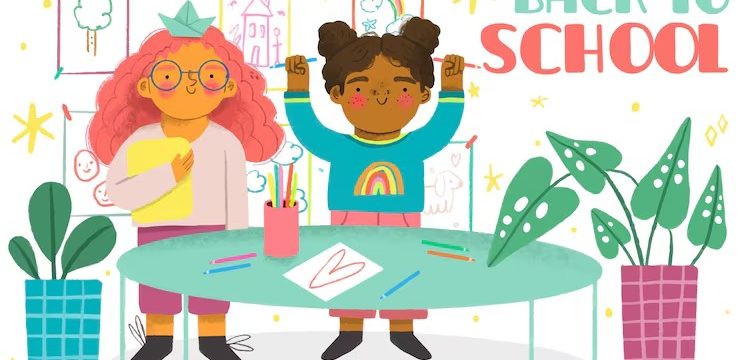
In the quiet hum of a classroom filled with laughter, curiosity, and the occasional sound of crayons on paper, an important journey begins.
Early childhood is a time of exploration, where the foundations of learning are laid, and it is here that teachers play a pivotal role.
Their influence extends far beyond the walls of a classroom; it ripples into the lives of children, families, and communities. Understanding this role can illuminate the path toward fostering a nurturing environment for our youngest learners.
Creating a Safe Haven
At the heart of early education lies the necessity for a safe and supportive environment. Teachers are often the architects of this space. They cultivate an atmosphere where children feel secure enough to express themselves, make mistakes, and explore the world around them. This emotional security is essential; it allows young minds to flourish, paving the way for cognitive and social development. Teachers who foster a sense of belonging help children develop essential skills such as resilience and empathy, which will serve them throughout their lives.
Building Relationships
The bond between a teacher and their students is one of the most significant aspects of early childhood education. Teachers act as guides, mentors, and role models, creating relationships based on trust and understanding. A child who feels connected to their teacher is more likely to engage in learning and show enthusiasm for school. These relationships are not just about academics; they encompass emotional support and encouragement, helping children navigate the complexities of their feelings and interactions with peers.
Fostering Curiosity and Creativity
One of the most delightful aspects of early childhood is the innate curiosity that children possess. Teachers have the unique opportunity to nurture this curiosity, transforming it into a lifelong love of learning. By providing rich, engaging experiences—whether through storytelling, hands-on activities, or imaginative play—teachers ignite the spark of creativity within each child. This approach encourages critical thinking and problem-solving skills, essential tools for success in any area of life.
A Gentle Approach to Learning
In early childhood education, the journey is just as important as the destination. Teachers understand that learning is not a race; it’s a process filled with exploration and discovery. By adopting a gentle approach to education, they allow children to learn at their own pace, respecting their individual needs and interests. This tailored approach not only enhances a child’s self-esteem but also fosters a sense of agency, empowering them to take ownership of their learning experiences.
Encouraging Social Skills
Social interactions in early childhood are crucial for developing communication skills and emotional intelligence. Teachers facilitate opportunities for children to interact with one another, guiding them in navigating friendships and resolving conflicts. Through collaborative play and group activities, children learn the importance of sharing, cooperation, and empathy. These social skills lay the groundwork for positive relationships in the future, not just in school but throughout life.
Incorporating Family Engagement
The role of a teacher extends beyond the classroom and into the homes of their students. Engaging families in the educational process is vital for reinforcing learning and creating a cohesive support system for children. Teachers often reach out to parents, sharing insights about their child’s progress and suggesting ways to continue learning at home. This partnership fosters a sense of community, creating a network of support that enriches a child’s educational experience.
Embracing Diversity
In today’s world, classrooms are often a tapestry of diverse backgrounds, cultures, and experiences. Teachers play a crucial role in embracing this diversity, ensuring that every child feels valued and included. By incorporating varied perspectives into the curriculum, they help children appreciate differences and develop a broader worldview. This understanding fosters tolerance and respect, essential qualities for thriving in a multicultural society.
Promoting Health and Well-being
Teachers are not just educators; they are also advocates for the holistic well-being of their students. Early childhood is a time when healthy habits can be established, and teachers can play a vital role in promoting physical activity, nutrition, and emotional health. By incorporating movement and mindfulness into the daily routine, they help children develop a balanced approach to health, which will benefit them throughout their lives.
Encouraging Lifelong Learning
The influence of a teacher often extends far beyond the classroom walls. By instilling a love of learning and a sense of curiosity, they set the stage for lifelong educational pursuits. The habits formed in these early years can shape how children approach challenges and opportunities throughout their lives. A teacher’s encouragement can inspire a child to explore new ideas, pursue their passions, and become an engaged member of society.
Reflecting on the Journey
As we consider the role of teachers in early childhood success, it becomes clear that their impact is profound and far-reaching. They are the guiding lights in a child’s formative years, nurturing not just academic skills but also social, emotional, and physical development. The dedication and passion that teachers bring to their work create a ripple effect, influencing families and communities in ways that can last a lifetime.
In a world that is constantly evolving, the importance of early childhood education—and the teachers who make it happen—remains steadfast. Their commitment to fostering a nurturing, inclusive, and stimulating environment ensures that every child has the opportunity to thrive. As we support and celebrate these educators, we also recognize the vital role they play in shaping the future, one child at a time.