In today’s fast-paced world, the significance of after-school experiences in nurturing well-being cannot be overstated.
As children transition from the structured environment of school to the more relaxed setting of home, the activities they engage in can greatly influence their overall happiness and mental health.
Finding the right balance in after-school experiences can pave the way for a healthier mindset, fostering a sense of belonging and purpose.
A gentle exploration of creativity
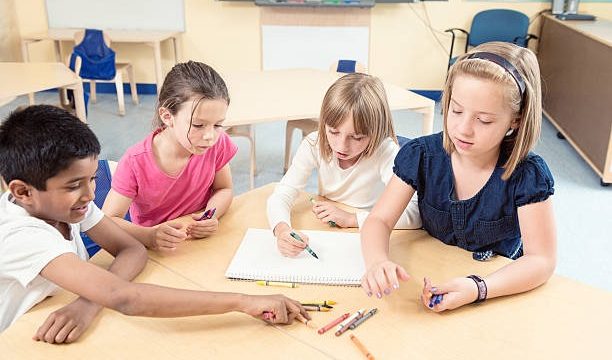
One of the most enriching after-school experiences is engaging in creative pursuits. Activities such as painting, drawing, or crafting allow children to express their emotions in a safe and constructive way. Creative outlets not only enhance artistic skills but also promote problem-solving and critical thinking. When children immerse themselves in a project, they often lose track of time, entering a state of flow that can be incredibly therapeutic.
Music and dance also play vital roles in fostering creativity. Learning to play an instrument or participating in dance classes encourages self-expression and can serve as a powerful emotional release. These experiences can help children develop a sense of rhythm and coordination while enhancing their self-esteem. Moreover, sharing music or dance with friends can strengthen social bonds, creating lasting memories.
Building connections through play
Play is a fundamental aspect of childhood and serves as a natural way for children to explore their emotions and relationships. After-school playdates or group activities can provide a safe space for children to interact, share experiences, and develop social skills. Whether it’s a game of tag in the park or a cooperative board game at home, these moments of connection can significantly contribute to a child’s sense of belonging.
Team sports are another excellent avenue for fostering connections. Participating in a team not only teaches children about cooperation and teamwork but also helps them develop resilience and perseverance. The camaraderie built through shared experiences on the field can lead to lasting friendships, providing emotional support that is essential for well-being.
A small shift toward balance
Incorporating mindfulness and relaxation techniques into after-school routines can also promote well-being. Simple practices such as deep breathing, yoga, or meditation can help children unwind after a busy day. These activities encourage self-awareness and emotional regulation, empowering children to navigate their feelings in a healthy way.
Creating a calming environment at home can enhance these practices. Designating a peaceful space for relaxation, perhaps with soft lighting and comfortable seating, can encourage children to take a moment for themselves. Introducing calming scents or soothing music can further enhance this experience, making it a cherished part of their routine.
The benefits of nature
Spending time outdoors is another vital aspect of after-school experiences that can greatly support well-being. Nature has a remarkable ability to rejuvenate the mind and body. Whether it’s a walk in the park, a hike on a nearby trail, or simply playing in the backyard, being outside allows children to connect with the world around them. The fresh air and natural light can uplift spirits and reduce stress, promoting a sense of peace.
Gardening can also be a fulfilling activity that nurtures a connection to nature. Watching plants grow and flourish can instill a sense of responsibility and accomplishment in children. It teaches valuable lessons about patience and nurturing, reinforcing the idea that care and effort yield positive results.
Encouraging a love for reading
Another enriching after-school experience is fostering a love for reading. Books can open up new worlds and offer valuable lessons about empathy, resilience, and understanding. Creating a cozy reading nook at home, stocked with a variety of age-appropriate books, can encourage children to explore different genres and stories.
Joining a local library or book club can also enhance this experience. These community spaces often host events that promote literacy and encourage social interaction among peers. Sharing thoughts on a book can spark meaningful conversations, allowing children to express their opinions and listen to others, which is essential for developing communication skills.
The importance of routine
Establishing a consistent after-school routine can help create a sense of security and predictability for children. Knowing what to expect can alleviate anxiety and provide a framework within which they can thrive. Incorporating a mix of structured activities and free play allows for a balanced approach, ensuring that children have the opportunity to explore their interests while also having time to unwind.
Involving children in the planning process can empower them and make them feel more invested in their after-school experiences. Asking for their input on activities or allowing them to choose a hobby they’d like to pursue can foster independence and decision-making skills.
Nurturing a supportive environment
Ultimately, the foundation for well-being lies in the support children receive from their families and communities. Open communication about feelings and experiences is essential. Creating a safe space for children to share their thoughts can help them feel understood and valued. Regular family discussions about their day can encourage them to reflect on their experiences, fostering emotional intelligence and resilience.
In addition to family support, engaging with the broader community can enhance a child’s sense of belonging. Participating in local events, volunteering, or joining clubs can provide children with opportunities to connect with others and contribute to their environment. Such experiences can instill a sense of purpose and belonging, essential components of well-being.
As we navigate the complexities of modern life, prioritizing after-school experiences that support well-being is more important than ever. By fostering creativity, encouraging play, integrating mindfulness, connecting with nature, promoting reading, establishing routines, and nurturing supportive environments, we can help children flourish. These simple yet impactful experiences can lay the groundwork for a happy, healthy future, nurturing not just the mind but the heart and spirit as well.