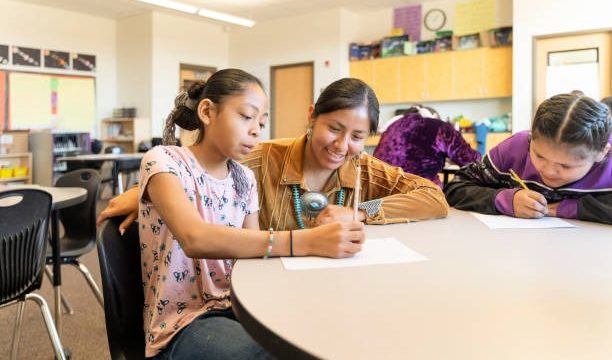
After school activities are often viewed as a fun way for children to unwind after a long day of classes, but their benefits reach far beyond simple enjoyment.
These activities play a significant role in shaping social development and fostering important life skills.
As children engage in various pursuits outside of their academic responsibilities, they build connections, learn to work as a team, and develop their identities.
A natural environment for social growth
When children participate in after school programs, they step outside the familiar confines of their classrooms and into a more relaxed environment. This shift is vital for social development. In a structured setting like school, interactions can sometimes feel limited, and children may not feel comfortable expressing themselves. After school activities, whether they involve sports, arts, or clubs, provide a more casual atmosphere where kids can mingle freely. Here, they can explore their interests and connect with peers who share similar passions.
Engaging in these activities allows children to meet new friends and expand their social circles. This exposure to diverse personalities helps them learn essential social skills, such as communication, empathy, and conflict resolution. They learn to navigate relationships, understand different perspectives, and develop the confidence needed to express themselves.
Building teamwork and collaboration
Many after school activities emphasize teamwork, whether it’s through sports, theater, or group projects. These experiences teach children the importance of collaboration and working together toward a common goal. In a team setting, they learn to listen to others’ ideas, share responsibilities, and appreciate the strengths of their peers.
Through such collaboration, children start to understand the value of compromise and negotiation. They discover that everyone has something unique to contribute, and that success often comes from pooling talents and efforts. These lessons extend beyond the activities themselves, equipping children with skills that are essential in future educational and professional settings.
Fostering a sense of belonging
Joining after school activities can create a strong sense of belonging for children. Being part of a team or a group dedicated to a common interest helps them feel connected to their peers and their community. This sense of belonging is crucial for emotional well-being, as it provides children with a support system and a network of friends.
In these environments, children find acceptance and understanding, which can be especially important during the often tumultuous school years. They learn that it’s okay to be themselves, and that differences can be celebrated rather than judged. This acceptance fosters self-esteem and encourages children to embrace their individuality while also appreciating the diversity of those around them.
Developing leadership qualities
After school activities are also a breeding ground for leadership skills. As children take on different roles within their groups, whether as a team captain, a project leader, or even just as an active participant, they have the opportunity to practice leading and guiding others. These experiences teach them how to motivate their peers, delegate tasks, and provide constructive feedback.
Through these roles, children learn that leadership isn’t just about being in charge; it’s about supporting others and fostering a positive group dynamic. They develop the ability to inspire their teammates and create an inclusive environment where everyone feels valued. These skills are invaluable not only in school but also in their future careers and personal relationships.
Encouraging resilience and adaptability
Engaging in after school activities can also teach children the importance of resilience and adaptability. In any group setting, challenges are bound to arise—whether it’s a tough game, a demanding rehearsal, or a complex project. Through these experiences, children learn to face setbacks, adapt to new situations, and persist in the face of difficulties.
This resilience builds character and helps children understand that failure is a natural part of growth. They learn to embrace challenges rather than shy away from them, equipping them to handle future obstacles with confidence. The ability to adapt and thrive in changing environments is a life skill that will serve them well throughout their lives.
Nurturing creativity and self-expression
After school activities often provide a canvas for creativity and self-expression. Whether it’s through art, music, drama, or dance, children are encouraged to explore their creative sides and express their thoughts and feelings. This not only boosts their confidence but also enhances their emotional intelligence.
As they engage in creative pursuits, children learn to articulate their emotions and thoughts in unique ways. They discover that there are many paths to express themselves and that their voices matter. This realization fosters a sense of empowerment and encourages them to share their ideas and perspectives with the world.
A holistic approach to development
In essence, after school activities contribute to a holistic approach to a child’s development. They not only complement academic learning but also enrich social skills, emotional intelligence, and personal growth. By participating in these programs, children are equipped with tools that help them navigate the complexities of life.
In a world that often emphasizes academic achievement, it’s essential to recognize the profound impact that social development has on overall well-being. After school activities provide a nurturing ground for children to explore, connect, and grow. They create opportunities for meaningful interactions and lifelong friendships, instilling values and skills that will benefit them well into adulthood.
As parents and caregivers, encouraging children to participate in after school activities can lead to a more balanced, fulfilling childhood. These experiences not only enhance their social development but also create cherished memories and valuable lessons that last a lifetime. Embracing the richness of these activities can truly help shape a well-rounded, confident individual ready to take on the world.