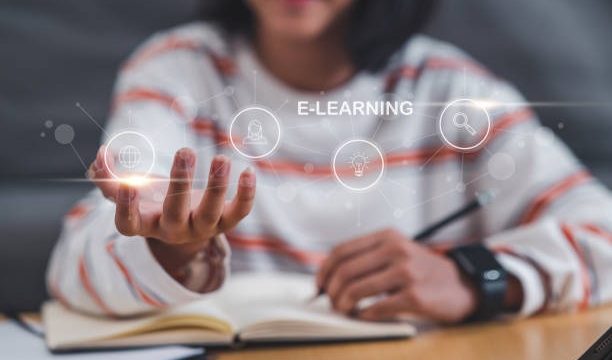
The Future of E-learning: How Technology is Shaping Education
In the quiet corners of our homes, surrounded by the comforting hum of technology, the landscape of education is undergoing a profound transformation.
E-learning, once considered a novelty, has blossomed into a powerful tool that is reshaping how we acquire knowledge and skills.
With the rapid advancement of technology, the future of education feels more accessible, personalized, and engaging than ever before.
As we step into this new era, it’s essential to reflect on how these changes are influencing not just the way we learn, but also how we connect with one another. The heart of education has always been about connection—between teacher and student, among peers, and within ourselves. Technology is enhancing these connections, creating a tapestry of learning that is rich and varied.
A small shift toward balance
One of the most profound shifts in e-learning is the move towards personalized education. Traditional classrooms often struggled to cater to the diverse needs of students, but technology allows for a more tailored approach. With adaptive learning platforms, students can progress at their own pace, focusing on areas where they need more help while advancing quickly through topics they grasp easily. This flexibility not only promotes a deeper understanding of the material but also encourages a sense of autonomy and responsibility in learners.
Moreover, the rise of online courses and virtual classrooms means that education is no longer confined to the walls of a school. Students can now access a wealth of resources from anywhere in the world, turning their living rooms into classrooms and their backyards into laboratories. This democratization of knowledge is empowering individuals to pursue their passions, whether it’s mastering a new language, diving into coding, or exploring the arts.
Nurturing community in a digital world
While technology facilitates learning, it also presents challenges, particularly in maintaining a sense of community. As we interact through screens rather than face-to-face, the emotional connections that often flourish in traditional classrooms can feel distant. However, innovative platforms are stepping in to bridge this gap. Virtual study groups and collaborative projects are designed to foster interaction among students, encouraging discussion and teamwork despite physical separation.
Additionally, social media has emerged as a vibrant space for learners to share experiences, seek advice, and celebrate achievements. Online forums and communities allow individuals to connect over shared interests, creating a sense of belonging that is essential for motivation and engagement. The challenge lies in nurturing these connections and ensuring that technology enhances rather than hinders our social interactions.
The role of educators in this evolving landscape
As e-learning continues to evolve, the role of educators is also transforming. Teachers are no longer just knowledge dispensers; they are facilitators of learning experiences. This shift requires a reimagining of their responsibilities, focusing on guiding students through their educational journeys rather than simply delivering content.
Professional development opportunities are becoming increasingly important, equipping educators with the skills needed to navigate this new terrain. Workshops on digital tools, strategies for fostering engagement, and techniques for assessing student progress in an online environment are essential for empowering teachers. As they adapt to these changes, educators can create enriching experiences that resonate with their students, regardless of the medium.
Embracing lifelong learning
The future of e-learning also emphasizes the importance of lifelong learning. In a world that is constantly changing, the ability to adapt and grow is paramount. E-learning platforms encourage individuals to continue their education beyond traditional schooling, fostering a culture of curiosity and exploration.
From professionals seeking to upskill to retirees wanting to learn a new hobby, the opportunities for growth are endless. This shift towards lifelong learning is not just beneficial for individuals; it also enriches communities and industries. When people are encouraged to expand their knowledge and skills, they contribute to a more informed and innovative society.
Finding harmony in technology
As we embrace the future of e-learning, it’s crucial to find a balance between technology and well-being. While the convenience and accessibility of online learning are undeniable, it’s important to remain mindful of the potential downsides. Screen fatigue, distractions, and the lack of physical activity are all challenges that come with a technology-driven education.
Incorporating mindfulness practices, setting boundaries around screen time, and encouraging outdoor activities can help maintain a healthy balance. Just as we nurture our minds with knowledge, we must also care for our bodies and spirits. Education should not only be about acquiring skills but also about fostering a sense of well-being and fulfillment.
A vision of inclusive education
Looking ahead, the vision for e-learning is one of inclusivity and accessibility. The promise of technology is that it can break down barriers, making education available to everyone, regardless of their circumstances. Initiatives aimed at providing resources to underserved communities, creating content in multiple languages, and designing platforms that accommodate various learning styles are essential steps toward a more equitable future.
As we navigate this journey, it is vital to remain committed to the principles of equity and inclusivity in education. By harnessing the power of technology, we can create an environment where every learner feels valued and empowered to reach their full potential.
In conclusion, the future of e-learning is bright and full of potential. Technology is not just reshaping how we learn; it is enhancing our connections, fostering community, and encouraging a culture of lifelong learning. As we embrace these changes, let us remain mindful of the balance between technology and well-being, ensuring that education remains a joyful and enriching experience for all. The journey ahead is one of discovery, growth, and endless possibilities, inviting us all to explore the boundless horizons of knowledge together.