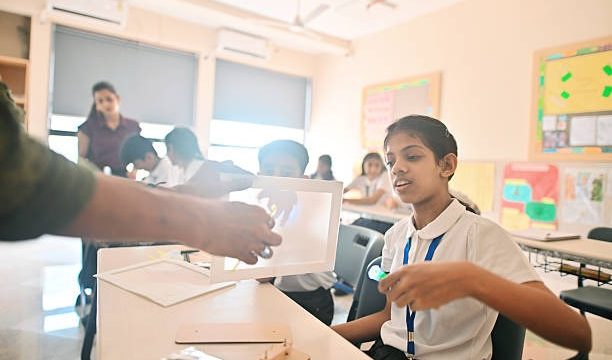
In a world that often emphasizes competition and achievement, fostering self-confidence in students is essential for their overall well-being and success.
Self-confidence serves as a foundation for learning, allowing students to embrace challenges and grow from their experiences.
Fortunately, there are numerous educational resources available that can nurture this vital trait. By incorporating these tools into their daily routines, students can cultivate a sense of self-assurance that will carry them through their academic journey and beyond.
One of the most effective ways to promote self-confidence is through engaging literature. Books that tell stories of resilience and triumph can inspire students to believe in their capabilities. Consider introducing young readers to characters who face obstacles yet persevere. This not only helps students relate to the characters but also provides them with valuable lessons about overcoming adversity. When students see themselves in these narratives, they begin to understand that challenges are a natural part of life, and with determination, they can navigate through them.
Moreover, creative writing can be a powerful tool for building self-esteem. Encouraging students to express their thoughts and feelings through writing allows them to articulate their unique perspectives. Whether they write poetry, short stories, or personal essays, the act of putting pen to paper fosters a sense of ownership over their ideas. As they share their work with peers or teachers, they receive validation that further reinforces their confidence. Writing workshops, where students can collaborate and provide constructive feedback to one another, can create a supportive community that uplifts each member.
Artistic endeavors also play a significant role in enhancing self-confidence. Many students find solace and empowerment in creative expression, whether through painting, music, or dance. Art provides a safe space for exploration and experimentation, allowing students to embrace their individuality. Schools that integrate art programs into their curricula can help students discover hidden talents and passions. When students create something they are proud of, it instills a sense of accomplishment that translates into other areas of their lives.
Another valuable resource for promoting self-confidence is mentorship. Connecting students with mentors—whether they are teachers, older students, or community members—can have a profound impact on their self-perception. Mentors can offer guidance, share experiences, and provide encouragement, helping students navigate their academic journeys. This relationship fosters a sense of belonging and support, which is crucial in building self-esteem. Schools can facilitate mentorship programs that pair students with individuals who share similar interests, creating a nurturing environment where students can thrive.
In addition to literature and mentorship, technology offers a wealth of resources that can bolster self-confidence. Educational apps and online platforms provide interactive learning experiences that cater to various learning styles. Students who may struggle in a traditional classroom setting can find solace in these digital tools, as they often offer personalized feedback and encouragement. For instance, gamified learning experiences can turn challenges into fun, engaging activities. As students progress through levels and earn rewards, they build confidence in their abilities and become more motivated to tackle difficult subjects.
Physical activity is another essential component of fostering self-confidence. Engaging in sports or fitness programs allows students to set goals, work as a team, and celebrate achievements together. The sense of camaraderie that develops in team sports can create lasting friendships and boost self-esteem. Schools that prioritize physical education not only promote health but also encourage students to push their limits and recognize their strengths. Whether it’s through organized sports or casual play, movement plays a crucial role in helping students feel good about themselves.
Furthermore, mindfulness practices can help students cultivate a positive self-image. Techniques such as meditation, yoga, or deep breathing exercises provide students with tools to manage stress and anxiety. When students learn to center themselves and focus on the present moment, they become more resilient in the face of challenges. Mindfulness encourages self-reflection, allowing students to recognize their accomplishments and growth. Schools that incorporate mindfulness into their curriculum can create a more balanced and supportive learning environment.
As we consider the various resources available to promote self-confidence in students, it is important to remember that the journey is unique for each individual. Encouragement from parents, teachers, and peers plays a vital role in helping students recognize their worth. Creating a culture of positivity and support within schools can significantly impact students’ self-esteem. Celebrating small victories, whether it’s acing a test or completing a challenging project, helps students internalize their successes and builds a strong foundation for their self-confidence.
In the end, nurturing self-confidence in students is about creating an environment where they feel valued and empowered. By utilizing a combination of literature, creative expression, mentorship, technology, physical activity, and mindfulness, we can support students in developing a strong sense of self-worth. As they navigate the ups and downs of their educational journey, these resources will equip them with the tools they need to face challenges with courage and resilience. In doing so, we not only foster self-confidence but also pave the way for a generation of empowered individuals ready to make their mark on the world.