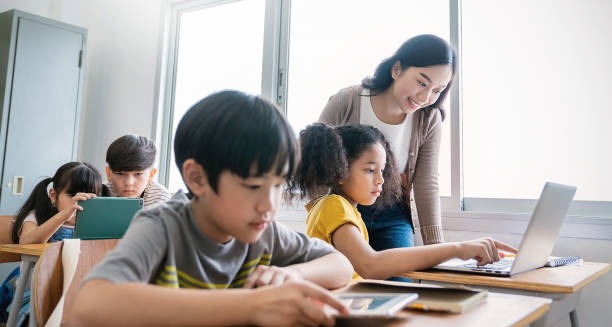
In a world brimming with challenges, the ability to solve problems effectively is more important than ever.
Whether in our personal lives or professional environments, strong problem-solving skills can lead to better decision-making and greater satisfaction.
Educational resources can play a vital role in nurturing these skills, providing a wealth of opportunities for growth and development. Let’s explore how to use these resources to enhance our problem-solving abilities in a gentle yet effective way.
The journey begins with understanding what problem-solving truly entails. At its core, problem-solving is about identifying obstacles and finding effective ways to overcome them. This process requires critical thinking, creativity, and perseverance. By leveraging educational resources, we can cultivate these essential traits and navigate the complexities of everyday life more effectively.
One of the first steps in utilizing educational resources is to tap into the vast array of online courses available. Platforms such as Coursera, edX, or Khan Academy offer a myriad of courses focusing on critical thinking, logic, and creative problem-solving. These structured learning environments provide an excellent foundation, often featuring interactive elements that encourage engagement. By dedicating time to these courses, individuals can develop a deeper understanding of various problem-solving techniques, from analytical reasoning to innovative brainstorming strategies.
In addition to structured courses, reading can be a powerful tool for enhancing problem-solving skills. Books on psychology, business strategies, or even fiction can offer insights into how different characters or individuals approach challenges. Authors like Daniel Kahneman, with his exploration of decision-making, or Edward de Bono, who delves into lateral thinking, can provide valuable frameworks for understanding problem-solving from unique perspectives. Engaging with diverse materials not only broadens our knowledge but also inspires creativity in our own approaches to challenges.
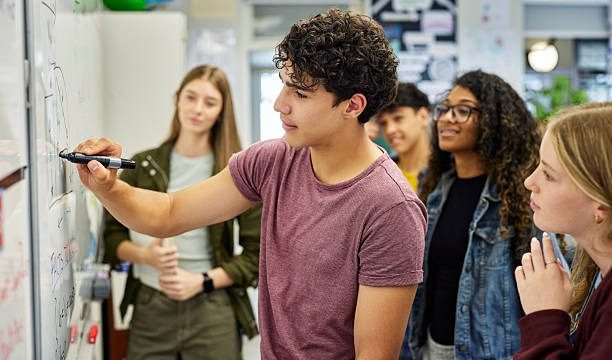
A small shift toward balance can be found in collaborative learning environments. Engaging with others, whether through study groups, workshops, or community classes, allows for the exchange of ideas and strategies. Discussing problems with peers can reveal new angles and solutions that one might not have considered alone. This collaborative spirit fosters a sense of community and support, making problem-solving feel less daunting and more like a shared journey.
The role of technology in education cannot be overlooked. Numerous apps and online platforms are designed to enhance problem-solving skills through gamification and simulations. For instance, puzzle games and strategy-based apps encourage players to think critically and adapt their strategies in real time. These tools make learning enjoyable and can be seamlessly integrated into daily routines. Whether during a commute or a break, engaging with these resources can make a significant impact on one’s cognitive flexibility and problem-solving prowess.
Incorporating educational resources into daily life also means exploring local offerings. Libraries, community centers, and educational institutions often host workshops or lectures that delve into various aspects of problem-solving. These events provide a wonderful opportunity to connect with experts and fellow learners in a supportive environment. Attending such gatherings not only enriches one’s knowledge but also fosters networking opportunities that can be beneficial in both personal and professional spheres.
Another avenue worth exploring is the world of podcasts and online lectures. With a wealth of topics available, these resources can be a great way to learn from industry leaders and thinkers while multitasking. Listening to discussions about problem-solving approaches in different fields can spark inspiration and provide practical insights that can be applied in everyday situations.
As we delve deeper into developing problem-solving skills, it’s essential to engage in reflective practices. Journaling about challenges faced and the problem-solving methods employed can provide clarity and insight. This practice encourages mindfulness and allows individuals to track their progress over time. By reflecting on what worked and what didn’t, learners can refine their approaches and become more adept at tackling future challenges.
Embracing failure as a part of the learning process is another crucial aspect of developing strong problem-solving skills. Educational resources often emphasize resilience and adaptability. Viewing setbacks as opportunities for growth rather than roadblocks can shift our mindset and open the door to innovative solutions. When we approach problems with curiosity and a willingness to learn, we cultivate a more profound understanding of ourselves and our capabilities.
Incorporating mindfulness techniques can also enhance problem-solving abilities. By practicing mindfulness, individuals can learn to manage stress and maintain focus during challenging situations. Techniques such as meditation or deep-breathing exercises can create a calm mental space, allowing for clearer thinking and better decision-making. Many educational resources include mindfulness components, guiding learners toward a more balanced approach to problem-solving.
Lastly, it’s essential to remember that developing problem-solving skills is a lifelong journey. The world is ever-evolving, and so are the challenges we face. By continually seeking out educational resources and remaining open to learning, we can adapt our skills to meet new demands. This journey is not just about acquiring knowledge; it’s about fostering a mindset that embraces curiosity, creativity, and collaboration.
In conclusion, the use of educational resources to support problem-solving skills is both enriching and empowering. By exploring online courses, engaging with literature, collaborating with others, utilizing technology, and reflecting on our experiences, we can cultivate a robust set of skills that will serve us well throughout our lives. As we embark on this journey, let’s approach each challenge with a sense of curiosity and a willingness to learn, knowing that every step we take brings us closer to becoming more adept problem solvers.