Encouraging Imagination in Elementary Students
In a world filled with screens and structured activities, nurturing the imagination of elementary students has never been more important.
Imagination is not merely a whimsical trait; it serves as the foundation for creativity, problem-solving, and emotional intelligence.
When children are encouraged to explore their imaginative capabilities, they not only grow as individuals but also develop skills that will serve them throughout their lives.
One of the most beautiful aspects of childhood is the natural propensity to dream and invent. As adults, we often find ourselves caught up in the hustle and bustle of daily life, forgetting the joy of unstructured play and the freedom of thought that comes so easily to children. By creating an environment that fosters imagination, we can help our young ones tap into their innate creativity and discover new worlds, both within and outside themselves.
Creating a nurturing environment begins with understanding the importance of play. Play is not just a pastime; it is a vital component of childhood development. It is through play that children learn to navigate their emotions, develop social skills, and explore their surroundings. Whether it’s a game of pretend, building with blocks, or drawing fantastical creatures, play provides a canvas for imagination to flourish. Setting aside structured time for free play can do wonders for a child’s creative spirit. Encourage them to invent their own games, create stories, and even build their own worlds with whatever materials they can find.
Reading also plays a pivotal role in nurturing imagination. Books are gateways to different worlds, cultures, and ideas. When children are introduced to a variety of stories, they learn to visualize characters and settings, expanding their creative horizons. Reading aloud together is an excellent way to bond while igniting their imagination. Choose stories that prompt questions, encourage discussion, and inspire them to think about alternative endings or character motivations. This not only enhances their comprehension skills but also makes them active participants in the narrative.
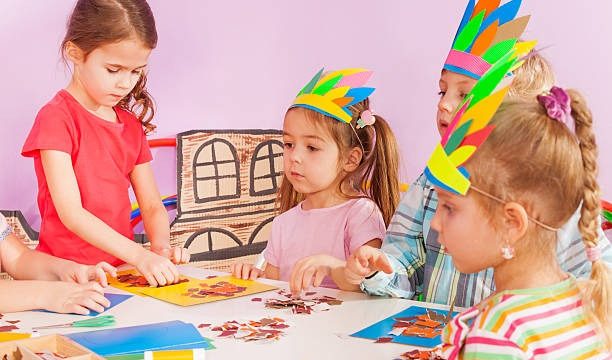
Another gentle way to encourage imaginative thinking is through art. Art allows children to express themselves in unique ways. Providing a variety of materials—paints, crayons, clay, or even recycled items—invites them to experiment without the fear of making mistakes. Instead of focusing on the final product, emphasize the process of creation. Ask open-ended questions about their artwork: “What inspired you to use those colors?” or “Can you tell me the story behind your drawing?” This encourages children to articulate their thoughts and feelings, deepening their imaginative engagement.
Nature is another powerful source of inspiration. The great outdoors offers a limitless playground for exploration and creativity. A simple walk in the park can turn into an adventure filled with discoveries. Encourage children to observe their surroundings closely, notice the colors and shapes, and imagine stories about what they see. Perhaps the tall tree is a castle, and the squirrel is a brave knight. Nature stimulates curiosity and wonder, providing endless opportunities for imaginative play.
Incorporating music and movement into daily routines can also enhance imaginative thinking. Music has a unique ability to evoke emotions and inspire creativity. Play different genres of music and encourage children to dance, improvise, or even create their own songs. Movement can be a form of storytelling; children can act out scenarios or express their feelings through dance. This not only nurtures their imagination but also promotes physical health and well-being.
Encouraging collaboration among peers can further ignite imaginative thinking. Group projects or storytelling circles allow children to share their ideas and build upon one another’s creativity. When they work together, they learn the value of teamwork, respect for differing viewpoints, and the beauty of collective imagination. Creating a safe space where every idea is welcome fosters confidence and encourages children to express themselves freely.
As parents and educators, it’s essential to model imaginative thinking ourselves. Share your creative pursuits, whether it’s writing, painting, or even engaging in problem-solving. Let children see that imagination doesn’t have an age limit. When they witness adults embracing creativity, it reinforces the idea that imagination is a lifelong journey.
It’s also important to recognize that every child’s imagination is unique. Some may prefer quiet, solitary activities, while others thrive in social settings. Pay attention to your child’s interests and provide opportunities that resonate with them. This individualized approach will help them feel valued and understood, further encouraging them to explore their creative potential.
In a world that often emphasizes academic achievement, it’s crucial to remember that imagination is just as valuable. It fosters resilience, adaptability, and empathy—qualities that are essential in today’s ever-changing landscape. By nurturing imagination in elementary students, we equip them with the tools they need to navigate life’s challenges and seize opportunities.
As we encourage our children to dream, create, and explore, we also remind them that imagination has no limits. It’s a powerful force that can lead to innovation, connection, and deeper understanding. Let us strive to create an environment where imagination is celebrated, where curiosity is nurtured, and where every child feels empowered to express their unique vision of the world.
In the end, it’s about more than just encouraging imagination; it’s about fostering a sense of wonder and possibility. By embracing the beauty of creativity, we can help our children discover their passions, explore new ideas, and ultimately become the architects of their own futures. So let’s take a step back from our busy lives, breathe in the joy of imagination, and watch as our elementary students soar to new heights.