Supporting Emotional Intelligence Through Play
In our fast-paced world, where the demands of daily life can often overshadow the gentle rhythms of childhood, the importance of emotional intelligence is becoming increasingly clear.
Emotional intelligence, or the ability to understand and manage our emotions and those of others, is a vital skill that lays the foundation for healthy relationships, effective communication, and overall well-being.
One delightful and effective way to nurture this skill is through play.
Play is not merely an activity; it is a profound experience that fosters growth, creativity, and connection. For children, play is the primary means of exploring their world and expressing their feelings. It is through play that they learn to navigate their emotions, understand social cues, and develop empathy. By recognizing and supporting emotional intelligence through play, we can create a nurturing environment that encourages healthy emotional development.
The magic of play lies in its ability to create a safe space for children to express themselves. When engaged in imaginative play, children often step into different roles, allowing them to explore various perspectives and feelings. For instance, a child pretending to be a doctor may gain insight into the emotions of others, understanding their fears and anxieties. This role-playing not only fosters empathy but also enhances their ability to connect with others on a deeper level.
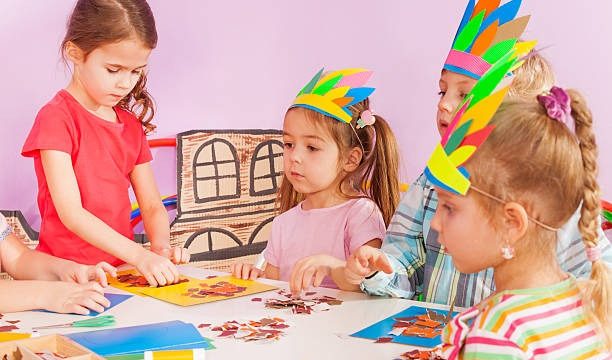
As caregivers and educators, we can support children’s emotional intelligence by providing them with opportunities for imaginative play. Simple props, such as hats, costumes, or even household items, can transform a living room into a bustling hospital or a magical kingdom. Encouraging children to create their own narratives helps them articulate their feelings and thoughts, giving them a voice in their imaginative worlds.
It’s also essential to recognize the value of cooperative play. Engaging in activities that require teamwork can significantly enhance emotional intelligence. When children work together to build a fort or solve a puzzle, they learn to communicate effectively, negotiate, and share their ideas. These interactions teach them the importance of collaboration and respect for others’ opinions. As they navigate the ups and downs of working with peers, they develop resilience and adaptability—crucial components of emotional intelligence.
Another gentle avenue to support emotional intelligence through play is through games that encourage emotional expression. Board games and storytelling activities that focus on feelings can be powerful tools. For example, games that prompt children to identify emotions or share personal experiences can help them articulate their feelings more effectively. Sharing stories, whether through books or personal narratives, opens discussions about emotions, providing children with the vocabulary to express their thoughts and experiences.
As we foster emotional intelligence through play, it’s important to remember that our own emotional awareness plays a significant role in this journey. Children are keen observers, often mirroring the emotional responses of adults in their lives. By modeling healthy emotional expression and regulation, we create an environment where children feel safe to explore their own feelings. When parents and caregivers share their emotions—whether it’s joy, frustration, or sadness—it normalizes the experience of feeling deeply and encourages children to do the same.
Creating a routine that incorporates play into daily life can also be beneficial. Setting aside time for unstructured play allows children to unwind and explore their emotions freely. Whether it’s through art, music, or outdoor activities, these moments can serve as a release, helping them process their feelings in a relaxed setting. As they engage in play, they might even discover new interests or passions that contribute to their emotional development.
As children grow, the nature of play evolves, but its significance remains. Teenagers, too, can benefit from play-like activities that encourage emotional intelligence. Team sports, drama clubs, or even video games that require collaboration can provide avenues for emotional exploration and social connection. These activities not only foster relationships but also encourage self-reflection and awareness.
In addition to nurturing emotional intelligence, play also serves as a wonderful bonding experience. Whether it’s playing a game together, exploring nature, or engaging in creative projects, these shared moments create lasting memories and strengthen relationships. The laughter, joy, and even challenges faced together during play can deepen connections, providing a sense of security and support.
As we reflect on the power of play in supporting emotional intelligence, it becomes clear that it is not merely a pastime but a vital aspect of development. By creating opportunities for imaginative and cooperative play, we can help children cultivate the skills they need to navigate their emotions and relationships effectively.
In a world that often prioritizes achievement over emotional well-being, let’s take a moment to appreciate the simple yet profound act of play. It is through these playful interactions that children—and indeed, all of us—can learn about ourselves and others. As we support emotional intelligence through play, we are investing in a future where empathy, understanding, and connection thrive.
So, let’s embrace the spirit of play in our lives, allowing it to be a guiding force in fostering emotional intelligence. Whether we are parents, educators, or caregivers, we have the opportunity to create a world where play is celebrated as a powerful tool for growth and connection. In doing so, we not only enrich our children’s lives but also nurture a more compassionate and emotionally aware society.