Every parent knows that children learn best when they are having fun.
Engaging little minds in playful activities not only fosters creativity and curiosity but also lays the foundation for lifelong learning.
In this exploration of fun learning activities, we’ll discover ways to spark joy and ignite imagination in young children, making education feel like an adventure rather than a chore.
Creating a playful environment can turn everyday moments into opportunities for learning. For instance, transforming a simple trip to the grocery store into a treasure hunt can encourage children to observe their surroundings and learn about colors, shapes, and numbers. As you navigate the aisles, ask your child to find items of specific colors or count the number of apples in your cart. This interactive approach to learning nurtures their observation skills while making the experience enjoyable.
Incorporating storytelling into daily routines can also enhance cognitive development. Gather your little ones and create a cozy reading nook filled with pillows and blankets. Choose a variety of books that cater to their interests, whether it’s animals, adventures, or fairy tales. As you read together, encourage your child to ask questions and predict what will happen next. This not only improves their comprehension skills but also fosters a love for reading that will benefit them throughout their lives.
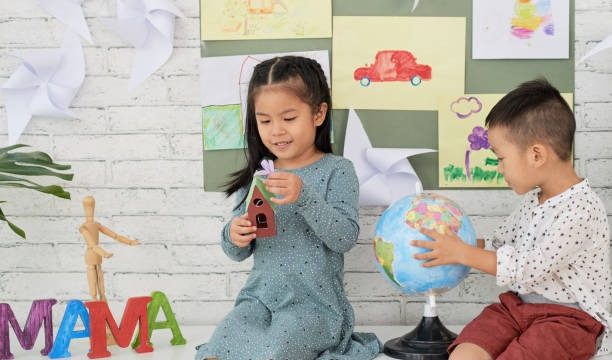
Art is another wonderful avenue for exploration and learning. Set up a simple art station with paper, crayons, and various crafting materials. Encourage your children to express their thoughts and feelings through art. This can be as straightforward as drawing their favorite animal or as complex as creating a collage of their family. Through these creative activities, children develop fine motor skills and learn to communicate visually. Plus, it’s a fantastic way for them to unwind and express themselves.
Nature can serve as an incredible classroom, offering endless opportunities for discovery. Organize a nature walk in your local park or backyard. Equip your little explorers with magnifying glasses to examine leaves, insects, and rocks up close. Discuss the different textures, colors, and shapes they encounter, fostering an appreciation for the environment. Collecting leaves or stones can lead to a crafting project later, where children can create a nature scrapbook or a mobile, reinforcing their connection to the natural world.
Music is another powerful medium for learning. Singing songs, dancing, or even playing simple instruments can enhance language skills and rhythm. Introduce your little ones to different types of music from around the world. Encourage them to move to the beat, exploring how music can convey emotions and tell stories. This not only develops their auditory skills but also allows them to appreciate cultural diversity in a fun and engaging way.
Gardening can be a delightful and educational experience for children. Start with small pots or a corner of your yard where they can plant seeds and watch them grow. Explain the life cycle of plants, the importance of sunlight and water, and how to care for their little garden. This hands-on activity teaches responsibility and patience while instilling a sense of achievement as they watch their plants flourish. Plus, it can be a wonderful way to introduce them to healthy eating habits by growing their own vegetables or herbs.
Cooking together is another fantastic opportunity for learning. Invite your child into the kitchen and let them help with simple recipes. This can teach them about measurements, following instructions, and the science behind cooking processes. Discuss the ingredients, their origins, and their nutritional benefits, making the activity both fun and educational. Not only will they learn valuable skills, but they will also enjoy the reward of a delicious meal made together.
Exploring different cultures through themed days can be an enriching experience. Choose a country, research its traditions, and prepare a meal from that culture. Dress up in traditional attire, listen to music, and learn a few words in the native language. This immersive experience broadens their understanding of the world and fosters empathy and appreciation for diversity.
Playful learning can also extend into the realm of science. Simple experiments, such as mixing baking soda and vinegar to create a fizzy reaction, can captivate young minds. Encourage them to make predictions, observe the results, and discuss what happened. This hands-on approach demystifies scientific concepts and nurtures a sense of curiosity that is vital for scientific exploration.
Incorporating movement into learning is essential, especially for young children who naturally have a lot of energy. Activities such as scavenger hunts or obstacle courses can teach problem-solving skills while keeping them active. Create challenges that require them to think critically while moving around, such as finding specific items in the park or completing tasks at different stations. This blend of physical activity and learning keeps their minds engaged and their bodies healthy.
Lastly, fostering a sense of community can be incredibly beneficial. Encourage your child to participate in group activities, whether it’s joining a local sports team, a book club, or a community service project. These experiences teach teamwork, communication, and social skills while also instilling a sense of belonging and purpose.
As we navigate the world of fun learning activities, it’s important to remember that the goal is not just to educate but to inspire a love for learning. By infusing play into education, we can help little minds thrive, developing not only their intellect but also their creativity, empathy, and resilience. Every moment spent engaging with our children in playful learning is an investment in their future, creating memories that will last a lifetime. Embrace this journey, and watch as their minds blossom with curiosity and joy.