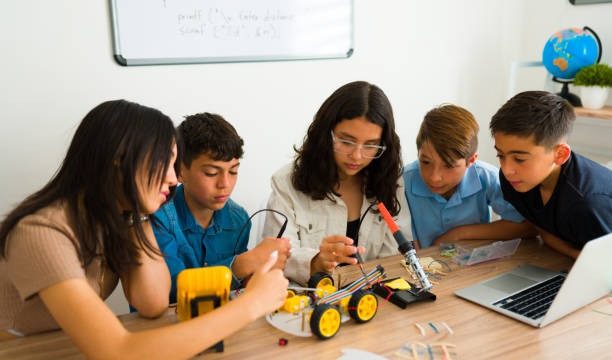
In the gentle world of early childhood education, fostering problem-solving skills in kindergarteners is a delightful journey that combines play and learning.
Children are naturally curious, and by engaging them in thoughtful activities, we can nurture their ability to think critically and creatively.
The following ideas offer a range of activities that can seamlessly fit into the daily routine of a kindergarten classroom, helping young minds develop essential problem-solving skills while having fun.
A playful approach to learning often begins with simple games that encourage exploration. One captivating activity is the classic treasure hunt. This can be done indoors or outdoors, providing an opportunity for children to work together in small groups. By creating a map or a series of clues, children are encouraged to think strategically about where to go next. As they decipher clues and navigate their environment, they not only enhance their critical thinking skills but also learn the value of teamwork. The excitement of finding hidden treasures adds an element of adventure, making the learning experience memorable.
Incorporating storytelling into problem-solving activities can also be a magical way to engage young learners. Consider introducing a story where characters face challenges that require creative solutions. After reading, invite the children to discuss what they would do if they were in the characters’ shoes. This simple exercise encourages imaginative thinking and allows children to explore multiple perspectives on a problem. They might suggest various solutions, fostering a sense of empathy and understanding as they consider the feelings of the characters involved.
Another wonderful way to encourage problem-solving is through building and construction activities. Providing materials like blocks, recycled boxes, or even natural elements such as sticks and stones invites children to create structures of their own design. As they build, they inevitably encounter challenges, such as balance or stability. This hands-on experience teaches them to experiment and adjust their designs, reinforcing the idea that making mistakes is a vital part of the learning process. The joy of seeing their creations come to life sparks a sense of accomplishment, encouraging them to take on even more complex projects.
Nature offers a treasure trove of opportunities for problem-solving as well. Organizing a nature walk can be an enriching experience where children can observe their surroundings and identify small challenges, such as crossing a stream or navigating a rocky path. After the walk, children can discuss what they noticed and how they might overcome similar obstacles in the future. This connection with nature not only enhances their observational skills but also instills a sense of resilience and adaptability as they learn to navigate the world around them.
Art activities can also serve as a bridge to problem-solving. Providing various materials for creative projects — from different types of paper to natural elements like leaves and flowers — allows children to explore their creativity while encountering challenges along the way. Perhaps they want to create a collage but find that certain materials don’t stick as they envisioned. This moment can lead to a discussion about alternative methods or materials, encouraging them to think critically about how to achieve their artistic goals. The process of trial and error in art is a natural way for children to develop persistence and resourcefulness.
Incorporating simple science experiments into the curriculum can also spark curiosity and problem-solving skills. Activities like mixing baking soda and vinegar to create fizzing reactions not only captivate children’s attention but also invite them to hypothesize about what will happen next. After the initial excitement, discussions can revolve around why certain reactions occur and how they might change the ingredients for different results. This exploration nurtures a love for inquiry and encourages children to ask questions, seek answers, and engage in critical thinking.
Encouraging children to take on leadership roles within group activities can also bolster their problem-solving abilities. For instance, assigning a “team leader” for a project allows children to practice decision-making and responsibility. They must communicate effectively with their peers, listen to different ideas, and guide the group toward a solution. This experience not only enhances their problem-solving skills but also fosters a sense of community and collaboration within the classroom.
As we explore these various activities, it’s essential to remember that the key to effective problem-solving in young children lies in creating a safe and supportive environment. Encouragement from teachers and caregivers helps children feel confident in their abilities to tackle challenges. By celebrating their efforts, regardless of the outcome, we reinforce the idea that the journey of learning is just as valuable as the end result.
In nurturing problem-solving skills through engaging activities, we are not merely preparing children for academic success; we are equipping them with the tools they will need to navigate life’s challenges. As they learn to think critically, work collaboratively, and approach problems with creativity and resilience, they are developing a strong foundation for their future.
Ultimately, the goal is to create a space where children feel inspired to explore, question, and innovate. Each small activity contributes to their growing understanding of the world, shaping them into thoughtful individuals who are capable of addressing challenges with confidence and creativity. Through play, exploration, and gentle guidance, we can cultivate a generation of problem solvers who are ready to embrace the adventures that lie ahead.