In our fast-paced world, nurturing healthy learning routines can feel like a challenge, especially for families balancing school, work, and personal commitments.
Yet, creating an environment that supports learning doesn’t have to be overwhelming.
With a few gentle adjustments, we can foster a space where curiosity thrives, and knowledge is embraced.
Finding the right rhythm is key. A consistent daily routine can create a sense of security for children, helping them understand what to expect as they navigate their day. This doesn’t mean crafting a rigid schedule, but rather establishing a flow that encourages learning while allowing for flexibility. Perhaps starting with a morning ritual, such as a healthy breakfast followed by a few minutes of quiet reading, sets a positive tone for the day. This simple act can awaken the mind and prepare it for the learning ahead.
Creating a dedicated learning space is another important aspect. It doesn’t have to be extravagant; a small corner of a room with a comfortable chair, good lighting, and access to necessary materials can work wonders. This space should be inviting, free from distractions, and equipped with items that encourage creativity, such as art supplies or books. Personalizing this area can also make it feel special. Children might enjoy hanging up their artwork or displaying achievements, which can motivate them to engage in their learning journey.
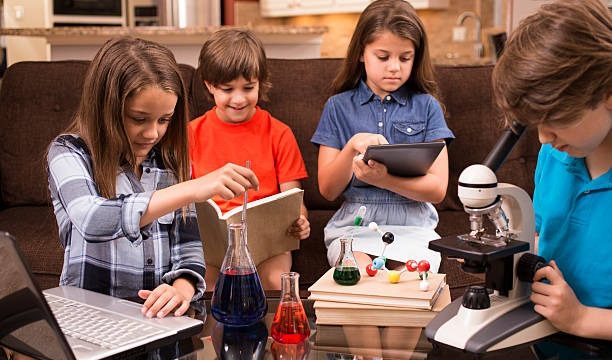
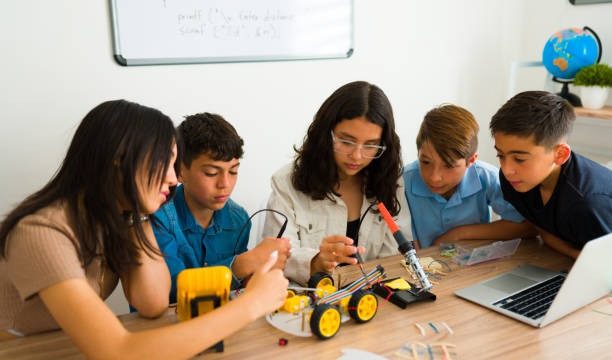
Incorporating movement into learning routines can enhance focus and retention. Physical activity is known to boost brain function, so consider integrating short breaks for stretching or a quick walk outside. This not only helps to refresh the mind but also makes learning more dynamic. Engaging in fun, interactive activities, such as educational games or science experiments, can also keep the energy flowing and the minds engaged.
A small shift toward balance can make a significant difference. While it’s important to encourage academic success, it’s equally vital to promote emotional well-being. Conversations about feelings and experiences can foster a supportive environment where children feel safe to express themselves. Encouraging them to share what they’ve learned, whether it’s a new math concept or a fascinating fact about animals, can reinforce their understanding and build their confidence.
Nutrition plays a crucial role in learning as well. A balanced diet filled with fruits, vegetables, whole grains, and protein can fuel both body and mind. Involving children in meal preparation can turn cooking into a learning opportunity, teaching them about nutrition and the science behind food. Simple tasks like washing vegetables or measuring ingredients can spark curiosity about where food comes from and how it affects our bodies.
Technology has become an integral part of education, and while it can be beneficial, it’s important to approach it mindfully. Setting boundaries around screen time can help maintain a healthy balance between digital and physical learning. Encouraging educational apps or programs can enhance learning, but it’s equally important to promote offline activities that stimulate imagination and critical thinking. Board games, puzzles, and outdoor adventures can provide a well-rounded approach to learning that engages multiple senses.
As we navigate the complexities of modern education, fostering a love for learning is perhaps the most important goal. Encouraging exploration and curiosity can ignite a passion for knowledge that lasts a lifetime. Whether it’s through nature walks, museum visits, or simply observing the world around us, each experience can become a lesson. Emphasizing the joy of discovery rather than just the pursuit of grades can create a more enriching learning environment.
Building connections within the community can also enhance learning experiences. Libraries, community centers, and local organizations often offer workshops, classes, and events that expand on classroom learning. These opportunities allow children to engage with their peers, learn from others, and explore subjects in depth. Not only does this foster a sense of belonging, but it also encourages collaboration and teamwork, essential skills in today’s world.
As we support our children in their educational journeys, it’s crucial to model lifelong learning ourselves. Sharing our interests, hobbies, and pursuits can inspire them to explore their passions. Whether it’s reading a new book, taking up a craft, or learning a new skill, demonstrating that learning is a continuous journey can instill a similar mindset in our children.
Finally, it’s essential to celebrate the small victories along the way. Acknowledging effort and progress, rather than just outcomes, can motivate children to keep striving. Simple gestures, like a high-five for completing a challenging task or a quiet moment to reflect on what they’ve learned, can reinforce their achievements and encourage a positive attitude toward learning.
Supporting healthy learning routines is about creating an environment that nurtures curiosity, promotes well-being, and fosters a love for knowledge. By establishing gentle routines, encouraging exploration, and modeling lifelong learning, we can guide our children on a fulfilling educational journey. Ultimately, it’s about finding joy in the process and embracing the beautiful adventure of learning together.