Inspiring Young Minds to Discover the World
In a world brimming with possibilities, the journey of discovery begins at a young age.
Children possess a natural curiosity, an innate desire to explore the unknown. As caregivers, educators, and mentors, we have the beautiful opportunity to nurture this enthusiasm and guide young minds as they embark on their adventures of learning. By creating an environment that celebrates exploration, we can inspire the next generation to engage with the world around them.
The foundation of a child’s understanding of the world is often built through experiences that stimulate their senses. The sights, sounds, and smells of nature can ignite a spark of curiosity. A simple walk in the park can become a treasure hunt, where every leaf, rock, and insect tells a story waiting to be discovered. Encouraging children to observe their surroundings with a sense of wonder fosters their ability to ask questions and seek answers.
Encouragement can come in many forms. When an inquisitive child asks, “Why is the sky blue?” or “How do birds fly?” it’s a chance for us to engage in meaningful dialogue. Rather than providing immediate answers, we can guide them in finding the answers themselves. This not only cultivates critical thinking but also instills a sense of independence. By learning to seek out information, children develop problem-solving skills that will serve them throughout their lives.
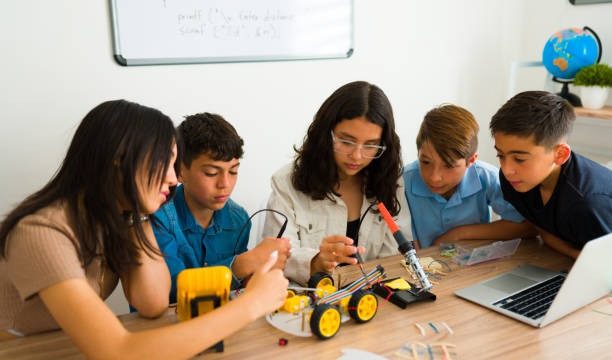
A small shift toward balance can be achieved through the integration of play into learning. Play is not merely a break from learning; it is a vital component of it. Engaging in imaginative play allows children to experiment with different roles, scenarios, and ideas. Whether they are pretending to be explorers in uncharted territories or scientists conducting experiments, play encourages creativity and innovation.
Incorporating educational games that involve teamwork can also enhance social skills. Through collaboration, children learn the value of communication, compromise, and empathy. These experiences lay the groundwork for building relationships, teaching them that every individual has something unique to contribute. In this way, the world becomes a tapestry of diverse thoughts and perspectives, enriching their understanding of humanity.
As children grow, their interests may evolve, leading them to explore various cultures and traditions. Introducing them to literature from around the globe can be a wonderful way to broaden their horizons. Stories can transport young readers to different times and places, allowing them to experience life through the eyes of others. This exposure not only fosters a sense of empathy but also cultivates an appreciation for diversity.
Travel, when possible, can further enhance this exploration. Visiting new places opens up a world of experiences that simply cannot be replicated in a classroom. Whether it’s a trip to a nearby town or a journey across the globe, each adventure presents opportunities for learning. The excitement of tasting new foods, hearing different languages, and witnessing various lifestyles can leave lasting impressions on young minds.
In our digital age, technology also plays a significant role in discovery. While it’s essential to encourage outdoor exploration, we cannot overlook the wealth of knowledge available at our fingertips. Educational apps and interactive websites can provide engaging ways for children to learn about science, history, and art. The key is to find a balance that allows technology to enhance learning without overshadowing the importance of real-world experiences.
Creating a nurturing environment for exploration also means allowing room for mistakes and failures. It’s crucial for children to understand that not every attempt will be successful, and that’s perfectly okay. Each setback is an opportunity for growth. By modeling resilience and a positive attitude toward challenges, we teach them to embrace the journey rather than focus solely on the destination.
Inspiring young minds goes beyond the confines of formal education. Community involvement can be a powerful way to encourage exploration. Local museums, science centers, and cultural events often offer programs designed for children. Participating in these activities can spark interest in subjects they may not have considered before. Additionally, volunteering can instill a sense of responsibility and connection to the community, further enriching their worldview.
As we cultivate curiosity and a love for discovery, it’s essential to remember the importance of patience. Children may not always express their interests in ways we expect. Sometimes, their explorations may seem random or whimsical, but these moments are often the most profound. Encouraging them to follow their passions, no matter how unconventional, can lead to remarkable insights and innovations.
In the grand scheme of things, the goal is to inspire a lifelong love of learning. By nurturing their curiosity, we equip them with the tools they need to navigate an ever-changing world. Each question they ask and every experience they encounter contributes to their growth.
As parents, teachers, and mentors, we have the privilege of guiding young minds through this journey. By providing them with the freedom to explore, the support to ask questions, and the resources to seek answers, we empower them to discover the world on their own terms.
Ultimately, our role is to foster an environment where curiosity is celebrated, creativity is encouraged, and exploration is a way of life. Together, we can inspire the next generation to not just understand the world but to engage with it, embrace it, and contribute positively to it. As they set out on their own journeys, we can take pride in knowing that we played a part in shaping their path toward discovery.