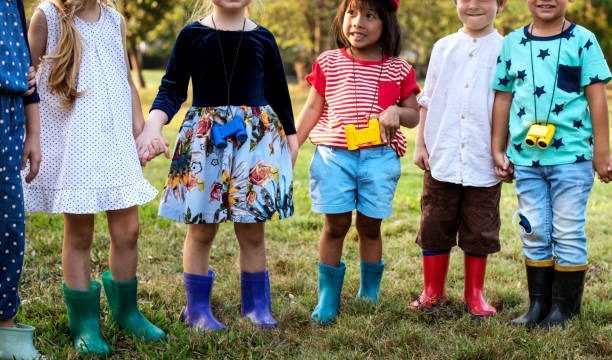
Early childhood education is a vital component of a child’s development, laying the groundwork for lifelong learning and growth.
It encompasses a variety of experiences and interactions that help shape a child’s cognitive, social, and emotional skills.
As parents, caregivers, and educators, understanding the significance of these early years can empower us to create enriching environments that nurture curiosity and foster a love for learning.
The early years of a child’s life are marked by rapid growth and change. From the moment they enter the world, children are soaking up information like little sponges. Every interaction, every colorful object they see, and every sound they hear contributes to their understanding of the world. Research shows that the brain develops most significantly during these formative years, with connections being made at an astonishing rate. This is why early childhood education is not just about academics; it’s about nurturing the whole child.
Creating a nurturing environment is key to fostering growth during these early years. A warm, safe space encourages children to explore and express themselves freely. This can be as simple as providing a cozy reading nook filled with books or a creative corner stocked with art supplies. When children feel secure, they are more likely to engage in learning activities, ask questions, and take risks—all essential elements for development.
Social interactions are another critical aspect of early childhood education. Children learn a great deal from their peers, developing essential skills such as empathy, cooperation, and communication. When they play together, they navigate conflicts, share resources, and learn to appreciate different perspectives. These interactions help build a foundation for healthy relationships later in life. Encouraging playdates or group activities can provide children with valuable opportunities to cultivate these skills in a supportive environment.
In addition to social skills, emotional development plays a significant role in a child’s growth. Early childhood education provides a unique opportunity to help children identify and express their emotions. Through storytelling, role-playing, and guided discussions, educators can teach children to recognize their feelings and those of others. This emotional intelligence is crucial, as it lays the groundwork for resilience and adaptability in the face of challenges.
A small shift toward balance can also enhance the educational experience. While structured learning is important, allowing for unstructured playtime is equally vital. During free play, children engage in imaginative scenarios that promote creativity and problem-solving. They learn to think critically and make decisions independently. Balancing guided activities with free exploration helps to develop a well-rounded individual who is both knowledgeable and innovative.
Parent involvement is another cornerstone of effective early childhood education. When parents take an active role in their child’s learning journey, it reinforces the importance of education and creates a strong support system. Simple actions, such as reading together every night or discussing the day’s events, can significantly impact a child’s development. These shared experiences not only strengthen the parent-child bond but also instill a sense of curiosity and a love for learning.
As children progress through their early years, it’s essential to recognize and celebrate their unique learning styles and paces. Each child is different, and understanding these differences can help tailor educational experiences to fit their needs. Some children may thrive in a more structured environment, while others might flourish with a hands-on, experiential approach. Observing and adapting to these preferences can create an engaging and effective learning atmosphere.
Incorporating a variety of learning modalities can further enrich early childhood education. Visual aids, music, movement, and tactile experiences can all enhance understanding and retention. For instance, using songs and rhymes can help children learn new concepts while making it fun and engaging. These varied approaches cater to different learning styles, ensuring that every child has the opportunity to succeed.
It’s also important to instill a sense of curiosity and wonder in young minds. Encouraging questions and exploration fosters a lifelong love of learning. Whether it’s through nature walks, science experiments, or simple conversations about the world around them, nurturing curiosity can lead to deeper understanding and a desire to seek out knowledge.
As the world continues to evolve, so too does the landscape of early childhood education. It’s essential to stay informed about new research and methodologies that can enhance teaching practices. Educators and parents alike can benefit from ongoing professional development and community resources that provide fresh ideas and insights. By embracing a mindset of continuous learning, we can ensure that our approaches remain relevant and effective.
Ultimately, early childhood education is about more than just academics; it’s about fostering a well-rounded individual who is equipped to navigate the complexities of life. By creating nurturing environments, encouraging social interactions, and recognizing each child’s unique learning journey, we can support their growth in meaningful ways. Investing in early education is an investment in a brighter future, not just for our children, but for society as a whole.
As we reflect on the importance of these early years, let us remember that the goal is to cultivate a love for learning that lasts a lifetime. With patience, understanding, and a bit of creativity, we can help shape the next generation of curious, compassionate, and capable individuals. Early childhood education is a beautiful journey, one that we are privileged to embark on alongside our children.