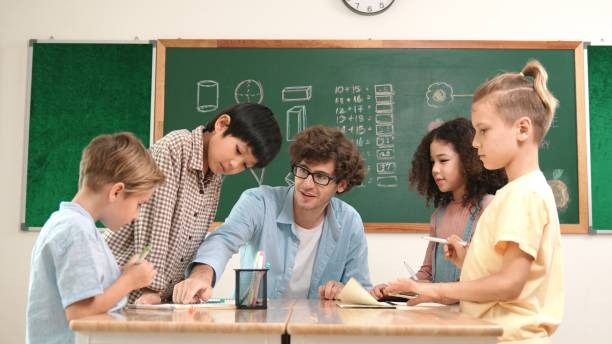
Creating Positive Learning Experiences for Young Children
In a world that is increasingly fast-paced and demanding, the importance of nurturing a positive learning environment for young children cannot be overstated. Early childhood is a critical period for development, and the experiences children have during this time can shape their attitudes towards learning for years to come. By fostering an atmosphere that encourages curiosity, creativity, and confidence, parents and educators can play a pivotal role in laying the foundation for lifelong learning.
A gentle start to exploration
The journey of learning begins with exploration, and it is essential to create an environment that invites young minds to discover the world around them. This can be achieved by designing spaces that are rich in sensory experiences. Imagine a cozy reading nook filled with colorful books, or a crafting corner stocked with various materials to spark creativity. These thoughtfully arranged areas can ignite a child’s imagination and encourage them to delve into new topics and activities.
Encouraging play as a learning tool
Play is a fundamental aspect of childhood, serving as both a joyful pastime and a powerful learning tool. Through play, children learn to navigate their emotions, develop social skills, and explore their interests. It is important to recognize that play is not merely a break from learning; it is a crucial component of the learning process itself. Engaging in imaginative play, whether it’s building a fort or pretending to be a chef, allows children to experiment with different roles and scenarios, fostering critical thinking and problem-solving skills.
Creating a supportive atmosphere
The emotional environment in which children learn is just as important as the physical space. A supportive atmosphere nurtures confidence and encourages risk-taking, essential components of the learning process. Children thrive when they feel safe and valued, so it is vital to acknowledge their efforts and celebrate their achievements, no matter how small. Simple phrases of encouragement can go a long way in building a child’s self-esteem, allowing them to embrace challenges with a positive mindset.
The power of connection
Building strong relationships is at the heart of positive learning experiences. Children are naturally social beings, and their interactions with caregivers, teachers, and peers significantly influence their development. Engaging with children on a personal level, taking time to listen to their thoughts and feelings, fosters a sense of belonging. When children feel connected and understood, they are more likely to engage deeply in their learning.
Incorporating nature into learning
Nature is an incredible teacher, offering endless opportunities for exploration and discovery. Incorporating outdoor activities into learning can enhance a child’s understanding of the world while promoting physical well-being. Nature walks, gardening, or simply observing the changing seasons can stimulate curiosity and encourage children to ask questions. These experiences not only enrich their knowledge but also instill a sense of wonder about the natural world.
Fostering a love for reading
Reading can open up new worlds for young children, igniting their imagination and expanding their vocabulary. Creating a love for reading starts early, with parents and caregivers reading aloud and sharing stories. Choosing a diverse range of books that reflect different cultures, experiences, and perspectives can help children see themselves in the stories while also broadening their horizons. Making reading a shared activity can deepen connections and make it a cherished part of daily life.
The art of patience
Learning is a process that takes time, and cultivating patience is essential for both children and adults. It’s important to remember that every child learns at their own pace. Encouraging a growth mindset—where mistakes are seen as opportunities for growth—can help children develop resilience. By modeling patience and understanding, adults can create an environment where children feel comfortable exploring new concepts without the fear of failure.
Encouraging questions
Curiosity is a natural trait in young children, and encouraging them to ask questions can lead to deeper learning. Instead of providing immediate answers, consider guiding them through the process of discovery. This approach not only helps children develop critical thinking skills but also shows them the value of inquiry. When children feel empowered to ask questions, they become active participants in their learning journey.
Embracing creativity
Creativity is an essential part of learning, allowing children to express themselves and think outside the box. Providing opportunities for creative expression—whether through art, music, or storytelling—can enhance cognitive development and boost self-confidence. Creating an environment where creativity is celebrated encourages children to take risks and explore new ideas, fostering innovative thinking that will serve them well in the future.
Building community connections
Finally, fostering a sense of community can enrich a child’s learning experience. Engaging with local resources, such as libraries, museums, and community centers, can provide children with diverse learning opportunities. Participating in group activities, such as team sports or art classes, helps children develop social skills and connect with others. These experiences not only promote learning but also help children develop a sense of belonging within their community.
Creating positive learning experiences for young children is a rewarding endeavor that requires thoughtfulness, patience, and creativity. By nurturing a supportive environment, encouraging exploration, and fostering connections, we can help children develop a love for learning that lasts a lifetime. In doing so, we not only enrich their educational journey but also contribute to the cultivation of curious, confident, and compassionate individuals who will shape the future.