Encouraging Little Learners Every Day
In the tender years of childhood, learning unfolds like a delicate flower, each petal revealing the wonders of the world.
As caregivers, parents, and teachers, we have the extraordinary opportunity to nurture and encourage little learners.
The journey of education is not just about imparting knowledge; it’s also about fostering curiosity, creativity, and a love for discovery. By creating an environment that celebrates exploration and growth, we can help children thrive in ways that resonate deeply throughout their lives.
The magic of childhood lies in its simplicity. Children possess an innate curiosity that drives them to ask questions, explore their surroundings, and experiment with new ideas. As adults, it is our role to cultivate this curiosity, providing them with the freedom and support to discover the world around them. One way to do this is by encouraging open-ended play. Whether it’s building with blocks, creating art, or engaging in imaginative role-play, these activities spark creativity and critical thinking. When children are given the space to explore and experiment, they learn to solve problems independently, fostering a sense of accomplishment and confidence.
Creating a nurturing environment is essential for little learners. This can be achieved by establishing routines that provide structure while still allowing for flexibility. Children thrive on consistency, yet they also need the freedom to explore their interests. By balancing these two elements, we can create a safe space where children feel secure enough to take risks and make mistakes—an essential part of the learning process. Encouragement comes in many forms, from verbal praise to simply being present and engaged. When children know that their efforts are valued, they are more likely to take initiative and pursue new challenges.
Another gentle way to encourage learning is through storytelling. Stories have a unique ability to captivate young minds, transporting them to different worlds and sparking their imaginations. Reading aloud to children not only helps them develop language skills but also fosters empathy and understanding. Choose books that reflect diverse experiences and perspectives, allowing children to see themselves and others in the stories. Discussing the characters’ feelings and decisions can lead to meaningful conversations, helping children to develop their emotional intelligence.
In addition to storytelling, incorporating nature into learning can be a transformative experience. Nature is a boundless classroom, offering endless opportunities for exploration and discovery. Simple activities like a nature walk can ignite a sense of wonder, as children observe the intricate details of plants, insects, and the changing seasons. Encourage them to ask questions about what they see, and take the time to explore answers together. Collecting leaves, rocks, or flowers can also inspire creativity, leading to art projects or science experiments at home. The world outside is a treasure trove of learning experiences waiting to be uncovered.
Fostering a love for learning also means recognizing the importance of emotional well-being. Little learners are still developing their emotional regulation skills, and it’s vital to support them in this journey. Acknowledging their feelings and offering comfort can help them navigate challenges more effectively. Encourage children to express themselves, whether through art, writing, or conversation. When they feel heard and understood, their confidence grows, paving the way for a more resilient approach to learning.
As we encourage little learners, it’s essential to model a growth mindset ourselves. Children are observant and often take cues from the adults in their lives. When we approach challenges with curiosity and a willingness to learn, we set an example for them to follow. Celebrate your own learning experiences, whether big or small, and share the lessons learned along the way. This openness not only inspires children but also creates a culture of lifelong learning within your family or classroom.
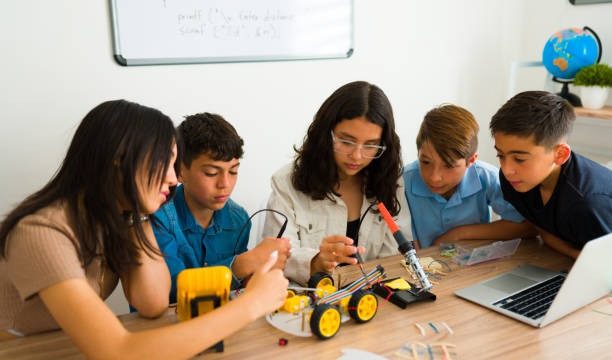
Another gentle approach to fostering growth is through collaborative learning experiences. Engaging in group activities allows children to learn from one another, sharing ideas and perspectives that enrich their understanding. Whether it’s working on a project together or simply playing a game, collaboration teaches valuable social skills such as teamwork, communication, and compromise. These experiences build a sense of community and belonging, reinforcing the idea that learning is a shared journey.
As little learners grow, it’s important to encourage their independence. Allow them to make choices in their learning, whether it’s selecting a book to read or deciding on a project to pursue. Empowering children to take ownership of their learning fosters self-confidence and a sense of responsibility. It’s crucial to strike a balance, providing guidance while also allowing them the freedom to explore their interests. This will not only help them develop critical thinking skills but also instill a lifelong love for learning.
Incorporating the arts into daily activities can also be a powerful way to encourage creativity and self-expression. Music, dance, and visual arts offer children a unique outlet to explore their feelings and ideas. Encourage them to experiment with different mediums and styles, allowing their creativity to flourish. Participate in these activities alongside them, creating a shared experience that strengthens your bond while enriching their learning journey.
As we navigate the world of little learners, it’s essential to remain patient and understanding. Every child learns at their own pace, and it’s important to celebrate their individual progress. Recognize that setbacks are a natural part of the learning process, and help children view challenges as opportunities for growth. Your support and encouragement can make a significant difference in their willingness to embrace new experiences.
Ultimately, encouraging little learners every day is about fostering an environment filled with love, curiosity, and support. By nurturing their creativity, emotional well-being, and independence, we can inspire a generation of lifelong learners who approach the world with wonder and enthusiasm. Remember, the journey of learning is as important as the destination, and every small step taken today can lead to remarkable discoveries tomorrow. Let us cherish these moments and embrace the joy of learning together.