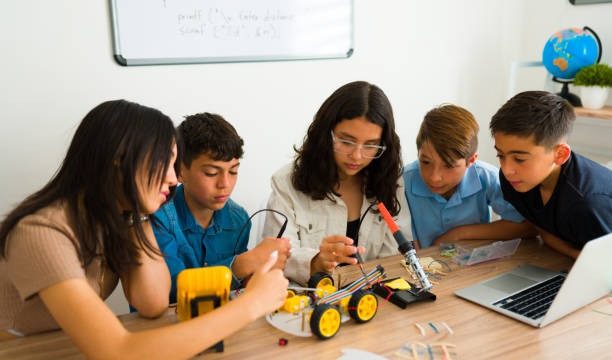
Supporting a child’s love for knowledge is one of the most rewarding journeys a parent or caregiver can embark on.
Children are naturally curious beings, and fostering that curiosity can lead to a lifelong passion for learning.
As we navigate this beautiful adventure together, we can create an environment that nurtures their inquisitive minds and encourages exploration.
Every child has unique interests and learning styles, and it’s essential to recognize and appreciate these differences. By observing what captivates their attention, we can tailor our support to align with their natural inclinations. Whether it’s a fascination with dinosaurs, a love for painting, or an interest in how things work, encouraging these passions is vital. Engaging with them about their interests not only validates their curiosity but also opens the door to deeper discussions and learning opportunities.
A gentle approach to learning can make all the difference. Instead of pushing a rigid curriculum, try to introduce knowledge in a way that feels organic and enjoyable. Reading together is a wonderful way to ignite a love for learning. Choose books that resonate with your child’s interests, and don’t shy away from exploring various genres. From picture books to chapter books, the act of reading together can spark conversations that lead to further exploration. Ask open-ended questions about the story or illustrations, and encourage them to share their thoughts and ideas.
Creating a rich learning environment at home can also inspire a child’s love for knowledge. Surround them with books, art supplies, and educational games that excite their imagination. A designated learning space, even if it’s just a cozy corner with a few cushions, can become a sanctuary for discovery. This space can be filled with materials that align with their interests, encouraging them to delve deeper into topics they love.
Another way to support knowledge-seeking is through hands-on experiences. Nature walks, visits to museums, or community events can provide a wealth of information in a fun and engaging way. Encourage your child to ask questions during these outings, and take the time to explore answers together. The world is full of wonders waiting to be uncovered, and experiencing them firsthand can be far more impactful than any textbook.
A small shift toward balance is important when it comes to education. While it’s natural to want the best for our children, it’s essential to avoid overwhelming them with too much structure or pressure. Allowing space for free play and unstructured time can foster creativity and independent thinking. During these moments, children often discover new interests and ideas on their own, which can lead to a deeper love for learning.
Encouraging curiosity also means embracing the process of learning, including the mistakes and challenges that come along with it. Celebrate their efforts, not just the outcomes. When a child feels supported in their attempts, they are more likely to take risks and explore new concepts. This mindset can cultivate resilience and a sense of adventure in their educational journey.
Involving them in everyday activities can also enhance their learning experience. Cooking together can teach them about measurements, science, and nutrition, while gardening can introduce concepts of biology and ecology. By integrating learning into daily life, you help them see education as an ongoing process rather than a series of isolated tasks.
As children grow, it’s important to keep the lines of communication open. Regularly check in with them about what they’re learning and what interests them. This dialogue can provide insights into their evolving passions and help you guide them in discovering new areas of knowledge. It’s also an opportunity to share your own interests and experiences, creating a richer learning environment where knowledge flows both ways.
Technology can be a valuable ally in supporting a child’s love for learning. With the right tools, it can provide access to a world of information and resources. Educational apps, documentaries, and online courses can complement traditional learning, making it more interactive and engaging. However, it’s essential to strike a balance and ensure that screen time is purposeful and beneficial. Engaging with technology together can also create shared experiences and discussions about what they learn.
As children develop their interests, it’s natural for them to seek out communities of like-minded peers. Encouraging them to join clubs, teams, or classes aligned with their passions can foster a sense of belonging and inspire further exploration. These interactions can enrich their understanding and provide opportunities for collaboration, enhancing their love for knowledge in a supportive environment.
In all of this, remember to model a love for learning yourself. Share your own interests and curiosities with your child. Let them see you reading, exploring new hobbies, or engaging in discussions about topics you find fascinating. Children often emulate what they observe in their parents, so demonstrating a passion for knowledge can be one of the most powerful tools you have in nurturing their curiosity.
Ultimately, supporting a child’s love for knowledge is about creating a safe, nurturing environment where exploration is encouraged and curiosity is celebrated. By embracing their interests, providing enriching experiences, and fostering open communication, you can help them develop a lifelong passion for learning. This journey is not just about acquiring knowledge; it’s about nurturing a mindset that values growth, curiosity, and the joy of discovery. As they grow, they will carry these lessons with them, exploring the world with wonder and excitement.