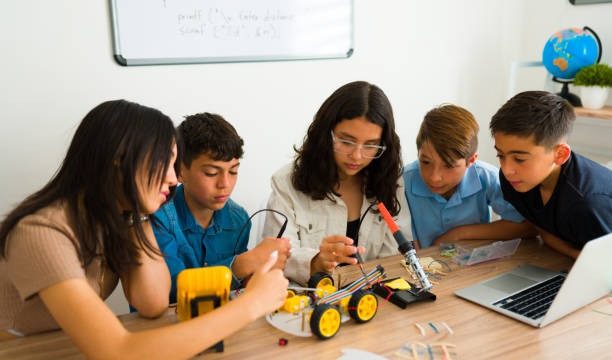
Teaching Kids to Build Motivation Through Practice
In a world that often seems to prioritize instant gratification, cultivating a sense of motivation in children can feel like a daunting task.
However, the beauty of motivation lies in its roots: it thrives through practice and the gradual development of skills.
Teaching kids the value of perseverance and the joy of improvement can set them on a path to lifelong learning and fulfillment. Let’s explore how we can gently guide our children to discover their own motivation through consistent practice.
Understanding Motivation
Motivation is a deeply personal experience, often emerging from within. For children, the journey to find what inspires them can be as unique as their fingerprints. It’s essential to recognize that motivation isn’t a switch that can be flipped; rather, it’s a gradual process that flourishes through encouragement, exploration, and practice. When children engage in activities they enjoy, they are more likely to nurture their curiosity and desire to improve.
The Role of Practice
At the heart of building motivation is the concept of practice. Whether it’s learning a musical instrument, mastering a sport, or even developing social skills, practice is the bridge that connects interest to achievement. Encouraging children to engage in regular practice helps them understand that growth takes time and effort. It’s through this repetition that they learn to appreciate small victories, which can be incredibly motivating.
Creating a Supportive Environment
To foster motivation, it’s crucial to create an environment that supports practice. This doesn’t mean turning your home into a strict training ground. Instead, think of it as cultivating a garden where seeds of interest can grow. Provide access to materials and resources, be it art supplies, books, or sports equipment, that align with your child’s interests. This access encourages exploration and experimentation, allowing them to find what truly excites them.
Also, consider the atmosphere in which practice occurs. A calm, positive space can make all the difference. Celebrate the effort, not just the outcome. When children feel safe and appreciated for their attempts, they are more likely to engage wholeheartedly in their pursuits.
Encouraging Exploration
As children grow, their interests may shift and change. It’s essential to encourage them to explore various activities without the pressure of mastery. This exploration phase is vital for helping kids discover their passions. Offer them opportunities to try new things, whether it’s joining a club, attending workshops, or simply experimenting in the backyard.
During this exploration, it’s important to remind children that it’s okay to make mistakes. Mistakes are often the stepping stones to success. By framing challenges as opportunities for growth, you can help them develop resilience and a willingness to keep trying. This mindset is crucial in nurturing intrinsic motivation—the kind that comes from within rather than from external rewards.
Setting Realistic Goals
As children engage in their chosen activities, guiding them to set realistic goals can enhance their motivation. These goals can be as simple as practicing for a certain amount of time each day or mastering a particular skill over a few weeks. When children have tangible objectives to strive for, they can experience a sense of accomplishment as they progress.
Encourage them to break larger goals into smaller, manageable tasks. This approach not only makes the journey less overwhelming but also allows for frequent celebrations of success along the way. Each small achievement can be a powerful motivator, reinforcing their desire to continue practicing.
The Power of Routine
Establishing a routine around practice can also be beneficial. Routines help children understand that practice is a natural part of their day, just like homework or mealtime. It fosters a sense of responsibility and commitment. However, be mindful to keep this routine flexible. Life can be unpredictable, and it’s important to allow for adjustments without guilt.
Incorporating practice into daily life can be as simple as setting aside a specific time each day for an activity they enjoy. Consistency is key, but it should never feel like a chore. The goal is to create a healthy balance where practice becomes a natural, enjoyable part of their routine.
Celebrating Progress
In the journey of practice, celebrating progress—no matter how small—is essential. Acknowledging effort reinforces the idea that improvement is a continuous process. This can be done through simple gestures like verbal praise, sharing their achievements with family, or creating a visual chart to track their progress.
By celebrating milestones, you help children associate practice with positive feelings. This emotional connection can significantly enhance their motivation to continue. It’s not just about reaching the finish line; it’s about enjoying the ride and recognizing the growth that occurs along the way.
Modeling Motivation
Children learn a great deal by observing the adults in their lives. If they see you engaging in your passions and demonstrating a commitment to practice, they are more likely to mirror that behavior. Share your own experiences of learning something new or overcoming challenges. Talk about the joys and frustrations of practice, showing them that it’s a universal experience.
By modeling a growth mindset, you provide children with a framework for their own journey. When they witness your perseverance and dedication, it instills in them the belief that they too can achieve their goals through consistent effort.
Fostering a Lifelong Love for Learning
Ultimately, the goal of teaching kids to build motivation through practice is to instill a lifelong love for learning. As they discover their passions and develop skills, they learn to appreciate the journey of growth. This appreciation becomes a powerful motivator that can carry them through life’s challenges.
By nurturing their interests, creating a supportive environment, and celebrating their progress, you empower children to take ownership of their learning journey. With each step they take, they build not just skills, but also confidence, resilience, and a deep-seated motivation that will serve them well in all aspects of life. In this way, we can help our children not just to practice, but to thrive.