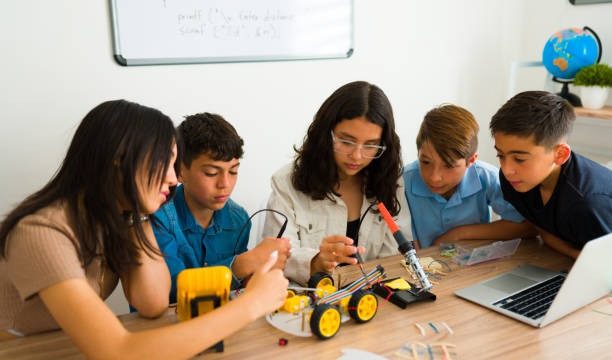
Encouraging Growth One Child at a Time
In a world that often feels fast-paced and overwhelming, the journey of childhood is a precious and transformative phase of life.
Each child is a unique individual, full of potential and dreams waiting to unfold.
As caregivers, parents, and educators, it’s essential to nurture this growth, guiding young minds as they explore their surroundings and develop their sense of self. Encouraging growth in children is not merely about academic achievement; it encompasses emotional, social, and physical development.
Creating a nurturing environment is the cornerstone of supporting a child’s growth. Children thrive in spaces where they feel safe, loved, and understood. This sense of security allows them to explore, take risks, and express themselves freely. One way to foster this environment is through open communication. Encouraging children to share their thoughts and feelings helps them build confidence in their voice and teaches them the value of expressing emotions. Listening actively and validating their experiences can strengthen the bond between caregiver and child, laying the groundwork for a supportive relationship.
Another gentle approach to encouraging growth is to model curiosity and a love for learning. Children are naturally inquisitive, and when they see adults engaged in seeking knowledge, they are inspired to do the same. Sharing experiences, whether it’s visiting a museum, exploring nature, or even reading a book together, can ignite a spark of interest in various subjects. This shared exploration not only expands their understanding but also creates cherished memories that can last a lifetime.
While academic skills are undoubtedly important, emotional intelligence is equally crucial. Teaching children about empathy and compassion can significantly impact their social interactions and relationships. Simple acts, such as discussing feelings and recognizing the emotions of others, can help children develop a deeper understanding of themselves and those around them. Encouraging them to engage in acts of kindness, whether through helping a friend or volunteering in the community, fosters a sense of connectedness and responsibility.
A small shift toward balance can be achieved through incorporating mindfulness and self-reflection into a child’s routine. Mindfulness practices, such as deep breathing or simple meditation, can help children learn to manage their emotions and cultivate a sense of calm. Encouraging them to take a few moments each day to reflect on their feelings and experiences can promote emotional well-being. These practices not only support mental health but also enhance focus and resilience, equipping them to navigate life’s challenges.
Physical growth is another essential aspect of a child’s development. Encouraging an active lifestyle helps children build strength, coordination, and confidence. Outdoor play, sports, and even simple activities like dancing or biking can contribute to their overall health and happiness. It’s important to create opportunities for movement in a way that feels enjoyable rather than forced. When children associate physical activity with fun, they are more likely to develop lifelong habits of wellness.
Fostering creativity is also a vital component of growth. Engaging in artistic activities, whether it’s drawing, painting, music, or drama, allows children to express themselves and explore their imagination. Providing them with the tools and freedom to create can lead to incredible discoveries about their interests and talents. Encouraging creative play not only enhances cognitive skills but also nurtures their ability to think outside the box, a skill that will serve them well in all areas of life.
As children grow, they begin to develop a sense of independence and autonomy. Supporting this development is crucial, as it empowers them to make choices and take ownership of their actions. Encouraging them to participate in decision-making, whether it’s choosing their outfits or planning a family activity, fosters a sense of responsibility and confidence. It’s important to strike a balance between guidance and allowing them the freedom to explore their interests. This approach helps cultivate their ability to navigate challenges independently while knowing they have a supportive safety net.
Cultivating a growth mindset is another powerful way to encourage children to embrace challenges and learn from setbacks. Teaching them that effort and perseverance are key components of success can reshape their attitudes toward failure. When children understand that mistakes are opportunities for growth, they are more likely to take risks and pursue their passions without fear of judgment. This shift in perspective can be transformative, helping them approach life with resilience and optimism.
As we nurture the growth of children, it’s essential to remember the importance of community. Surrounding them with positive role models and supportive peers can significantly influence their development. Engaging in community activities, whether through local clubs, sports teams, or volunteer opportunities, allows children to build relationships and learn from others. These connections can provide a sense of belonging and support that enhances their personal growth.
In conclusion, encouraging growth one child at a time is a profound journey filled with small yet impactful moments. By creating a nurturing environment, fostering open communication, modeling curiosity, and supporting emotional and physical well-being, we can help children flourish in all aspects of their lives. It’s about celebrating their individuality and guiding them as they navigate their unique paths. As we invest time and love into their growth, we contribute to a brighter future for them and society as a whole. Each child is a world of possibilities, and with our encouragement, they can blossom into their best selves.