In the bustling world of early childhood education, there’s a gentle movement towards a more nurturing and friendly approach to learning.
As parents and educators, we often find ourselves yearning for the best ways to support our little ones’ growth.
The journey of early learning should feel less like a race and more like a delightful exploration, filled with curiosity and joy.
Creating a warm environment is essential. When children feel safe and supported, they are more open to learning. Imagine a classroom where laughter echoes, and creativity flourishes. This is not just a dream; it can be a reality when we prioritize kindness and empathy in our teaching methods. Children thrive in settings where they know their feelings are valued, where they can express themselves without fear of judgment. This atmosphere encourages them to take risks, ask questions, and discover the world around them.
A gentle introduction to learning can begin at home. Simple activities, such as reading together, playing games, or even cooking, can be wonderful opportunities for children to learn without the pressure often associated with formal education. These moments foster connection and provide a rich tapestry of experiences that lay the foundation for future learning. When parents engage in these activities, it not only enhances the child’s understanding but also strengthens the bond between them.
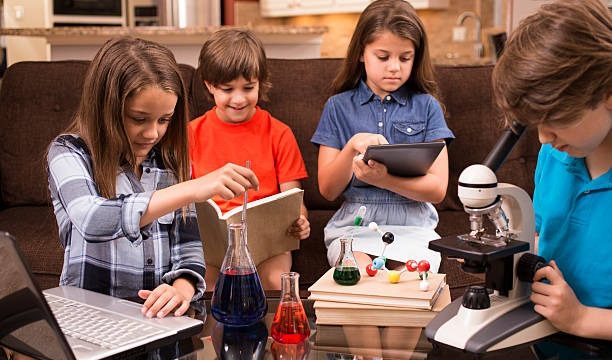
Incorporating play into learning is another key element of a friendly approach. Children are naturally inclined to play, and when we harness this instinct, we open up a world of possibilities. Learning through play allows children to explore concepts in a hands-on manner. For instance, building with blocks can teach them about balance and gravity, while role-playing can enhance their social skills and empathy. This playful exploration encourages creativity, critical thinking, and problem-solving—all essential skills for their future.
Encouragement is a vital ingredient in this nurturing approach. Instead of focusing solely on achievements, celebrating effort and perseverance can make a significant difference. When children understand that trying their best is what truly matters, they develop resilience and a positive attitude towards challenges. A simple phrase like “I can see how hard you’ve worked on this” can uplift a child’s spirit and boost their confidence. This encouragement helps them view learning as a lifelong journey rather than a series of tests to pass.
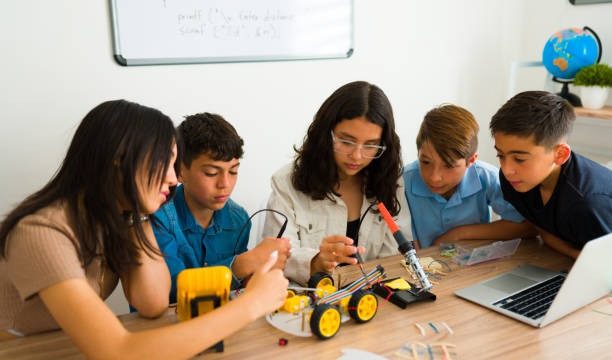
As children grow, the importance of social interactions becomes increasingly clear. Early learning environments that promote collaboration and teamwork can enrich their experiences. Group activities, whether in a classroom or at home, allow children to learn from each other. They begin to understand different perspectives and develop important social skills. These experiences of sharing, negotiating, and resolving conflicts are invaluable lessons that extend beyond the classroom.
Another important aspect of a friendly approach to early learning is the integration of nature. Children have an innate connection to the outdoors, and incorporating nature into their learning experiences can be transformative. Nature walks, gardening, or simply playing outside can stimulate curiosity and wonder. The sights, sounds, and textures of the natural world can inspire creativity and foster a sense of responsibility towards the environment. When children learn to appreciate nature, they are more likely to develop a lifelong love for the outdoors and a sense of stewardship for the planet.
Mindfulness is also a beautiful addition to early learning. Teaching children simple mindfulness techniques can help them manage their emotions and develop focus. Activities like deep breathing or mindful listening can create moments of calm in their day. This practice not only enhances their emotional well-being but also prepares them to face life’s challenges with a balanced mindset. When children learn to be present, they become more aware of their feelings and the feelings of others, fostering empathy and kindness.
It is essential to recognize that every child is unique, with their own interests and learning styles. A flexible approach that values individual differences can create a more inclusive and enriching learning environment. By observing and listening to children, educators and parents can tailor their methods to meet each child’s needs. This personalized attention helps children feel seen and understood, which is foundational for their growth and development.
As we navigate the world of early learning, it is important to remember that the goal is not just academic success. We should aim to nurture well-rounded individuals who are curious, compassionate, and confident. By fostering a love for learning, we empower children to seek knowledge and pursue their passions throughout their lives.
In conclusion, embracing a friendly approach to early learning opens doors to a world of possibilities. By creating supportive environments, encouraging play, promoting social interactions, and integrating mindfulness, we can cultivate a love for learning that lasts a lifetime. This gentle method not only enriches the educational experience but also nurtures the hearts and minds of our youngest learners. As we embark on this journey alongside them, let us cherish each moment and celebrate the beauty of discovery together.