Developing Communication Skills in Childhood
In a world that thrives on connection, the ability to communicate effectively is a vital skill that begins to blossom in early childhood.
From the moment a child utters their first word, they embark on a journey of expression, understanding, and interaction.
Nurturing these communication skills not only enriches their social experiences but also lays the foundation for their emotional and intellectual development.
The early years of a child’s life are filled with countless opportunities to explore language. It’s fascinating to witness how toddlers learn to string words together, often imitating the speech of those around them. This natural mimicry is a crucial part of language acquisition. As parents and caregivers, it’s important to create an environment that encourages this exploration. Engaging in conversations, reading aloud, and simply talking through daily activities can significantly enhance a child’s vocabulary and comprehension.
Listening is just as important as speaking. Children learn about the nuances of communication not only by expressing themselves but also by observing how others interact. Encouraging active listening can be as simple as modeling the behavior ourselves. When we demonstrate that we value what a child has to say by giving them our full attention, we foster a sense of importance and respect for communication. This mutual exchange helps children understand that their thoughts and feelings matter, paving the way for confident self-expression.
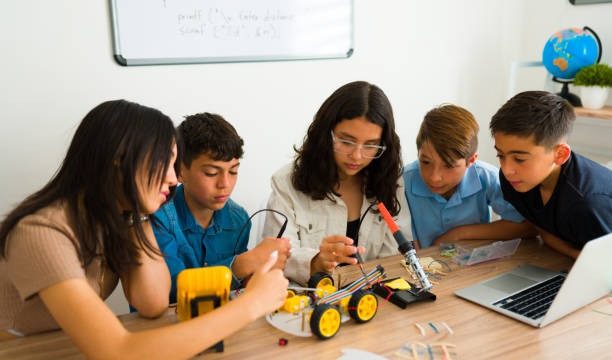
As children grow, their communication needs evolve. Playtime becomes an essential arena for developing these skills. Whether it’s through imaginative play, group games, or storytelling, children learn to negotiate, collaborate, and empathize with their peers. These interactions provide a rich tapestry of experiences that enhance their ability to articulate thoughts, understand social cues, and develop emotional intelligence. Encouraging cooperative play allows children to practice sharing ideas and resolving conflicts, which are vital components of effective communication.
The role of storytelling in a child’s life cannot be overstated. Sharing stories—whether they are from books, family history, or their own imagination—opens up a world of creativity and expression. Storytelling not only enriches vocabulary but also enhances comprehension and critical thinking skills. When children narrate their experiences or create fictional tales, they learn to structure their thoughts and convey them in a coherent manner. It’s a beautiful way to encourage them to reflect on their own feelings and perspectives while also considering those of others.
In our increasingly digital age, it’s essential to balance screen time with face-to-face interactions. While technology can be a useful tool for learning and communication, it should not replace the richness of personal interactions. Encouraging children to engage in conversations away from screens fosters deeper connections and enhances their ability to communicate effectively in real life. Family dinners, playdates, and community activities provide wonderful opportunities for children to practice these skills in a supportive environment.
As parents and caregivers, we can also introduce gentle techniques to enhance communication skills. Simple exercises like asking open-ended questions can encourage children to think critically and express their thoughts in more detail. Instead of asking, “Did you have a good day?” try, “What was the best part of your day?” This subtle shift invites children to share their experiences more fully and helps them develop their narrative abilities.
Moreover, teaching children about non-verbal communication is essential. Gestures, facial expressions, and body language all play a significant role in how we convey messages. Encouraging children to recognize and interpret these cues can enhance their understanding of social interactions. For example, playing games that involve miming or charades can be a fun way to explore this aspect of communication while reinforcing their ability to express themselves in diverse ways.
Creating an environment that celebrates diversity in communication is equally important. Children come from various backgrounds, and they may experience different ways of expressing themselves based on their culture or family practices. Encouraging openness and curiosity about various forms of communication, whether it be through language, art, or music, can foster an appreciation for differences and promote inclusivity. This awareness not only broadens their understanding but also cultivates empathy, a cornerstone of effective communication.
As children navigate the complexities of their social worlds, it’s natural for them to face challenges in communication. Encouraging resilience and patience is key. When children struggle to express themselves or feel misunderstood, providing support and reassurance can help them navigate these moments with grace. Remind them that it’s okay to ask for clarification or to express their feelings in different ways. This understanding reinforces the idea that communication is a skill that can be developed over time, and it’s perfectly normal to encounter bumps along the way.
Finally, the journey of developing communication skills in childhood is ongoing. As children grow into adolescence and beyond, the ways in which they express themselves will continue to evolve. The foundation laid in their early years will serve them well as they encounter new social situations, academic challenges, and personal relationships. By fostering an environment rich in conversation, play, and emotional support, we equip our children with the tools they need to navigate the world confidently and compassionately.
In conclusion, nurturing communication skills in childhood is a gift that lasts a lifetime. By creating supportive environments, encouraging active listening, and celebrating diverse forms of expression, we help children develop not only their ability to communicate but also their capacity for understanding and connection. As they grow, these skills will empower them to share their voices, engage with others, and contribute meaningfully to the world around them. It’s a beautiful journey, one that we can all be a part of, guiding our little ones toward a future filled with rich conversations and heartfelt connections.