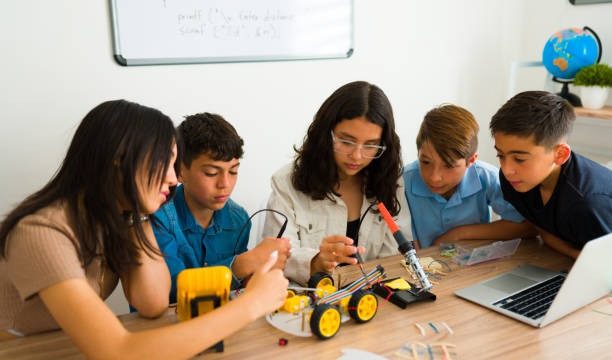
In our fast-paced, technology-driven world, the value of community-based learning often gets overshadowed by traditional educational methods.
However, this approach fosters a deep sense of connection and understanding, creating opportunities for growth that extend beyond the classroom.
Community-based learning invites individuals to engage with their surroundings, learn from one another, and develop skills that are not just academic but also profoundly personal and social.
A gentle connection to the world around us
At its core, community-based learning emphasizes the importance of real-world experiences. This method encourages individuals to step outside the confines of textbooks and engage with their local communities. Whether it’s volunteering at a local charity, participating in a neighborhood project, or collaborating with local artists, the experiences gained through community involvement are invaluable. They allow learners to apply theoretical knowledge in practical situations, fostering a deeper understanding of the subject matter.
Moreover, this form of learning cultivates empathy and social awareness. When individuals interact with different community members—each with their unique backgrounds and stories—they develop a richer perspective on life. This exposure helps to break down barriers and build bridges, fostering a sense of belonging and unity. In an increasingly divided world, these connections are essential for nurturing understanding and compassion.
Creating a supportive environment
One of the most beautiful aspects of community-based learning is the supportive environment it creates. Participants are often part of a collective effort, working towards a common goal. This camaraderie not only enhances the learning experience but also instills a sense of accountability. When individuals feel supported, they are more likely to take risks, share ideas, and engage deeply with the learning process.
In community-based settings, mentorship often flourishes. Experienced community members can guide and inspire learners, sharing their wisdom while also gaining fresh perspectives from younger generations. This exchange of knowledge is mutually beneficial, leading to a richer, more textured learning experience for everyone involved. It highlights the idea that learning is not a solitary journey but rather a collaborative one, where everyone has something valuable to contribute.
The joy of hands-on experience
Community-based learning often involves hands-on activities that engage the senses and spark creativity. Imagine planting a community garden, where individuals not only learn about botany but also about teamwork, patience, and nurturing life. Such experiences are not just about acquiring knowledge; they are about living it. The tactile nature of these activities helps reinforce learning in ways that lectures and textbooks simply cannot replicate.
This approach also encourages problem-solving and critical thinking. When faced with real-world challenges, learners are prompted to think on their feet, adapt, and innovate. These skills are essential in today’s world, where change is the only constant. By navigating through challenges in a community setting, individuals become more resilient and better equipped to handle whatever life throws their way.
Fostering lifelong connections
One of the most enriching aspects of community-based learning is the relationships that emerge from it. These connections often extend beyond the learning experience itself, creating a network of support and friendship. Participants may find mentors, collaborators, or even lifelong friends through their community engagements. This network can be a source of encouragement and inspiration, providing a sense of belonging that is often sought but not always found in traditional educational settings.
Additionally, these relationships can lead to further opportunities. As individuals become more involved in their communities, they may discover new passions or career paths that they had not previously considered. The connections made during community-based learning can open doors to internships, job opportunities, and collaborations that might not have been possible otherwise.
Embracing diversity and inclusivity
Community-based learning naturally embraces diversity. Every community is a tapestry of different cultures, traditions, and experiences. Engaging in community activities allows learners to appreciate and celebrate these differences. This understanding is crucial in cultivating an inclusive mindset, where individuals learn to value diverse perspectives and experiences.
Furthermore, community-based learning can address social issues by bringing people together to work on common challenges. Whether it’s tackling environmental concerns or addressing local needs, collective efforts can lead to meaningful change. This engagement not only benefits the community but also instills a sense of purpose in the learners, showcasing the impact they can have in the world around them.
Nurturing personal growth
Ultimately, community-based learning is about personal growth. It encourages individuals to step outside their comfort zones and challenge themselves. The skills and experiences gained through this approach can lead to increased self-confidence and a stronger sense of identity. As learners navigate their community and its challenges, they often discover strengths they didn’t know they had.
This journey of self-discovery is often accompanied by a newfound appreciation for the world and the people in it. As individuals engage with their communities, they learn to value collaboration over competition, understanding that success is often a collective achievement. This shift in mindset not only enhances personal growth but also contributes to a more harmonious society.
In conclusion, the value of community-based learning is profound and far-reaching. It nurtures connections, fosters empathy, and encourages hands-on experiences that enrich the learning journey. As individuals engage with their communities, they not only gain knowledge but also develop skills, relationships, and a deeper understanding of the world around them. In a time when connection and understanding are more important than ever, embracing community-based learning can lead to personal fulfillment and a more compassionate society. So, take a step into your community; the lessons you learn may just change your life.