Helping Children Discover Their Strengths
Every child is a unique tapestry woven with threads of potential and promise.
As parents, caregivers, and educators, our role is to gently guide them in uncovering their individual strengths.
It’s a journey that unfolds over time, filled with discovery, encouragement, and a touch of patience. By nurturing their unique talents and interests, we can help children cultivate a sense of self that fosters confidence and resilience.
Recognizing individual strengths begins with observation. Children often express their passions and skills in the most delightful ways. Perhaps your little one spends hours creating art, lost in a world of color and imagination. Or maybe they light up when solving puzzles, demonstrating a natural aptitude for logic and reasoning. These moments are not just fleeting interests; they are clues to their inherent strengths. By paying attention to what excites and engages them, we can begin to understand the unique abilities they possess.
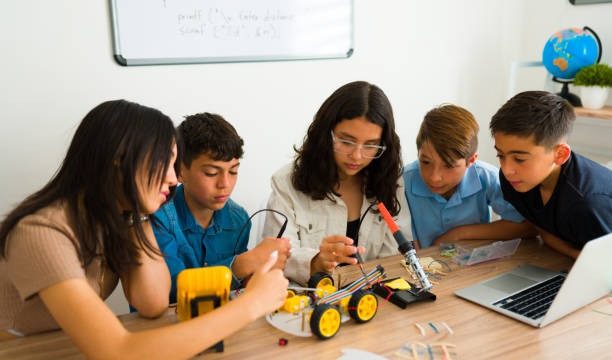
Creating an environment that encourages exploration is essential. A home filled with diverse activities and resources provides children with the freedom to experiment. Whether it’s art supplies, musical instruments, or science kits, having access to various tools allows them to explore their interests without restriction. This exploration can lead to surprising discoveries. Perhaps a child who initially shows little interest in sports may find joy in a particular game or activity, revealing a hidden talent for teamwork or physical coordination.
A gentle approach to encouragement can make a world of difference. Instead of pushing children toward specific achievements, it’s important to celebrate their efforts and progress. When they try something new, whether they succeed or stumble, acknowledging their bravery fosters a growth mindset. Phrases like “I love how you tried that,” or “It’s wonderful to see you enjoying this,” can instill a sense of pride. This nurturing feedback helps children feel secure in their attempts, encouraging them to pursue their passions further.
As children engage in different activities, they often encounter challenges. These moments can be pivotal in their journey of self-discovery. It’s crucial to remind them that setbacks are a natural part of growth. When they face difficulties, we can guide them to reflect on what they learned rather than focusing solely on the outcome. This perspective not only builds resilience but also helps them recognize that their strengths can be developed through perseverance.
Encouraging social interactions is another vital aspect of helping children discover their strengths. Engaging with peers can provide insights into their own abilities while also fostering teamwork and collaboration. Group activities, whether in a classroom setting or through extracurricular programs, allow children to see how their skills complement those of others. This camaraderie can boost their confidence as they realize their contributions are valued and appreciated by their peers.
In this journey, it’s important to remember that every child will progress at their own pace. Comparing them to others can lead to unnecessary pressure and anxiety. Instead, we should focus on their individual growth. Celebrating personal milestones, no matter how small, reinforces their unique path. Encouraging children to set achievable goals can also be beneficial. These goals serve as stepping stones, helping them to recognize their progress over time and deepening their understanding of their strengths.
As children begin to identify their strengths, it’s essential to provide opportunities for them to showcase their talents. This could be through performances, art displays, or even casual family gatherings where they can share their interests. Celebrating these moments allows them to take pride in their abilities and reinforces their self-worth. The joy they experience in sharing their passions can inspire them to pursue their interests even further.
While guiding children in discovering their strengths, it’s equally important to encourage a sense of balance. This means helping them understand that it’s okay to have weaknesses and that nobody is perfect. Embracing imperfection allows children to be more compassionate towards themselves and others. They can learn to appreciate the diverse strengths within their peer groups, fostering a sense of community and support.
In addition to helping children discover their strengths, we should also encourage them to explore new areas. Curiosity can lead to unexpected interests and talents. Whether it’s trying out a new sport, learning an instrument, or experimenting with different art forms, exposure to various activities can spark a passion they may not have realized they had. It’s all about creating a safe space for exploration, where children feel free to try new things without fear of judgment.
As they grow, it’s a wonderful idea to engage children in conversations about their strengths. Asking open-ended questions about what they enjoy and what they feel they excel at can provide valuable insights. This dialogue not only helps them articulate their thoughts but also reinforces their self-awareness. It encourages them to reflect on their experiences and how they perceive their abilities.
Ultimately, our role is to be their cheerleaders, guiding them gently on their journey of self-discovery. We can cultivate an atmosphere of support and encouragement, helping them to understand that their strengths are an integral part of who they are. By nurturing their passions, celebrating their efforts, and fostering resilience, we empower children to embrace their individuality and navigate the world with confidence.
Helping children discover their strengths is a beautiful journey that requires patience and understanding. As we guide them, we create a nurturing environment where their unique gifts can flourish. In doing so, we not only support their growth but also help them build a solid foundation for a fulfilling and meaningful life ahead. Embracing this journey together can lead to enriching experiences, deeper connections, and a profound appreciation for the wonderful strengths that make each child special.